

Author: Site Admin

A person sits hunched on the edge of a bed at night, their head in their hands and shoulders tense, expressing deep fatigue and internalized tension. A subtle, pulsing faint red vascular or nervous system pattern overlay is visible across their neck, back, and arms, indicating internalized physical symptoms of chronic stress and tension in a low-light, moody bedroom setting.

Trauma & Body-Based Symptoms

Trauma & Nervous System Responses

Trauma & Body-Based Symptoms

Trauma can affect both emotional and physical functioning. Many trauma survivors experience body-based symptoms such as sleep disruption, muscle tension, tingling sensations, headaches, fatigue, digestive discomfort, and chronic nervous system activation. Understanding how trauma affects the body may help reduce confusion, fear, and self-blame.

How Trauma Affects the Body

Trauma does not affect only thoughts and emotions. Trauma can also affect the nervous system, stress-response system, muscles, breathing patterns, sleep, digestion, energy levels, and physical sensations throughout the body.

When the brain perceives danger, the nervous system activates survival responses commonly described as fight, flight, freeze, or shutdown responses. During this process, the body prepares to respond quickly to possible threat.

Heart rate may increase, muscles may tighten, breathing patterns may change, stress hormones may rise, and attention may become highly focused on danger or discomfort. When stress remains chronic or overwhelming, the body may stay in a prolonged state of activation.

Common Body-Based Trauma Symptoms

Trauma-related stress responses may appear in many physical forms. Symptoms vary from person to person and may fluctuate depending on stress, triggers, sleep, emotional overwhelm, and nervous system activation.

  • Sleep disruption or insomnia
  • Muscle tension or chronic tightness
  • Headaches or pressure sensations
  • Fatigue or exhaustion
  • Tingling sensations or numbness
  • Chest tightness or rapid heartbeat
  • Digestive discomfort or nausea
  • Jaw clenching or body tension
  • Shaking, trembling, or sweating
  • Dizziness or lightheadedness
  • Feeling physically “on edge”
  • Heightened startle responses

These symptoms are real physical experiences. Trauma-related body symptoms do not mean the person is “imagining things” or intentionally exaggerating distress.

Sleep Disruption and Trauma

Sleep problems are extremely common after trauma. A person may struggle to fall asleep, wake frequently during the night, experience nightmares, or feel physically unable to relax.

Hypervigilance and nervous system activation can make the body remain alert even during rest. Some trauma survivors describe feeling exhausted but unable to fully “shut off” mentally or physically.

Sleep disruption may increase emotional dysregulation, irritability, concentration problems, anxiety symptoms, and physical exhaustion over time.

Tingling Sensations and Nervous System Activation

Some individuals experience tingling sensations, numbness, burning sensations, facial tension, shakiness, or unusual body sensations during periods of anxiety, panic activation, trauma reminders, or chronic stress.

Stress-related breathing changes, muscle tension, nervous system activation, and heightened body awareness may contribute to these experiences.

Physical symptoms should always be taken seriously, and medical evaluation may be appropriate when symptoms are severe, one-sided, sudden, progressive, persistent, or medically concerning.

At the same time, many trauma survivors experience body-based nervous system responses connected to chronic stress and emotional activation.

Muscle Tension and Chronic Stress

Chronic stress often causes the body to remain physically tense. Muscles may stay partially activated for long periods of time, especially in the neck, shoulders, jaw, chest, stomach, and back.

Over time, this tension may contribute to discomfort, headaches, jaw clenching, fatigue, body aches, and difficulty relaxing.

Some individuals become so accustomed to tension that they no longer recognize how activated their body has become until symptoms worsen significantly.

Trauma and Hypervigilance in the Body

Trauma survivors often describe feeling physically “on guard.” Hypervigilance may cause the body to remain alert for danger, even in relatively safe environments.

This may include:

  • Difficulty relaxing in public places
  • Being easily startled
  • Monitoring surroundings constantly
  • Feeling unsafe without a clear reason
  • Difficulty calming down after stress
  • Physical tension during conflict or uncertainty

Over time, prolonged nervous system activation can become physically exhausting.

Why Trauma Symptoms Sometimes Feel Confusing

Trauma-related body symptoms can feel confusing because they often involve both emotional and physical experiences at the same time.

A person may seek medical answers for headaches, tingling sensations, dizziness, stomach discomfort, or chest tightness without initially realizing that stress, trauma, panic activation, or chronic nervous system activation may also be contributing factors.

Trauma-informed assessment considers both physical experiences and emotional stress responses while recognizing the importance of appropriate medical care when needed.

Body-Based Trauma Symptoms in Immigration Evaluations

Body-based symptoms may be relevant in immigration psychological evaluations involving trauma exposure, abuse, persecution, chronic fear, victimization, family separation, prolonged uncertainty, or ongoing emotional distress.

Evaluations may explore how symptoms affect sleep, concentration, emotional regulation, work functioning, caregiving responsibilities, relationships, and overall daily stability.

A trauma-informed immigration evaluation carefully documents the interaction between emotional symptoms, nervous system activation, and functional impairment.

What Can Help?

Many trauma survivors benefit from understanding how trauma affects the nervous system and body. Education about body-based trauma responses may help reduce shame, confusion, and fear.

Helpful approaches may include trauma-informed counseling, grounding skills, breathing regulation, EMDR therapy when appropriate, nervous system regulation work, sleep support, relaxation strategies, mindfulness-based coping, physical movement, and supportive relationships.

Healing often involves helping the body gradually feel safer, calmer, and less overwhelmed over time.

Key Takeaways

  • Trauma can affect both emotional and physical functioning.
  • Body-based trauma symptoms may include sleep disruption, tingling sensations, tension, headaches, fatigue, and nervous system activation.
  • Chronic stress and hypervigilance can keep the body in a prolonged state of activation.
  • Trauma-related physical symptoms are real experiences and may affect daily functioning.
  • Trauma-informed support may help improve nervous system regulation and emotional stability.

Questions About Trauma-Informed Immigration Evaluations?

Motivations Counseling provides trauma-informed immigration psychological evaluations for clients throughout Texas, with attorney coordination available when authorized.

Schedule Consultation

Call today to schedule an immigration psychological evaluation or to get answers to your questions about our services.


How to reach us...

   (281) 858-3001
     admin@motivationscounseling.com
     Contact Us

A fragmented and distorted conceptual photograph symbolizing a panic attack and overwhelming fear. In the center, human eyes stare wide with fear from within a swirling, turbulent cloud of dark energy and shattered, geometric shards. The surrounding environment is a chaotic, abstract blur of twisted city lights and architectural lines in deep blues, grays, and muted, pulsing reds, suggesting sensory overload and a world spinning out of control. The composition conveys trapped, urgent distress.

Panic Symptoms Explained

Anxiety & Emotional Functioning

Panic Symptoms Explained

Panic symptoms can feel sudden, overwhelming, and frightening. Many people experience intense physical and emotional reactions during periods of anxiety, stress, trauma activation, or emotional overload. Understanding panic symptoms may help reduce fear, confusion, and self-blame.

What Are Panic Symptoms?

Panic symptoms involve intense fear responses that may activate both the mind and body. During panic activation, the nervous system may react as though immediate danger is present, even when there is no actual physical threat.

Some panic symptoms occur suddenly and intensely, while others build gradually during periods of chronic stress, emotional overwhelm, uncertainty, or trauma reminders.

Panic symptoms are often connected to nervous system activation and the body’s survival response system, sometimes described as fight, flight, freeze, or shutdown responses.

Common Panic Symptoms

Panic symptoms can affect the body, emotions, thoughts, and sense of safety. Symptoms vary from person to person and may fluctuate over time.

  • Racing heart or heart palpitations
  • Chest tightness or chest discomfort
  • Shortness of breath or rapid breathing
  • Dizziness or lightheadedness
  • Shaking or trembling
  • Sweating or chills
  • Nausea or stomach discomfort
  • Feeling detached or unreal
  • Fear of losing control
  • Fear that something terrible is about to happen
  • Difficulty concentrating or thinking clearly
  • Feeling emotionally overwhelmed or flooded

Why Panic Feels So Intense

Panic symptoms can feel extremely intense because the body’s survival system is highly activated. During panic activation, the nervous system prepares the body to respond to perceived danger.

Breathing may become shallow or rapid, muscles may tighten, heart rate may increase, and attention may narrow toward possible threats or bodily sensations.

This can create a frightening feedback cycle where physical symptoms increase fear, and fear increases nervous system activation even further.

Panic Symptoms and Emotional Dysregulation

Emotional dysregulation refers to difficulty managing overwhelming emotional states. During panic activation, the nervous system may become flooded, making it difficult to think clearly, calm down, or feel emotionally stable.

Some individuals feel emotionally flooded and highly reactive, while others experience shutdown, numbness, dissociation, or emotional disconnection.

Panic symptoms may intensify during conflict, uncertainty, trauma reminders, relationship stress, legal stress, financial pressure, or situations where the person feels trapped, unsafe, or emotionally overwhelmed.

Trauma and Panic Responses

Trauma can increase nervous system sensitivity and make panic responses more likely. Individuals who have experienced abuse, violence, victimization, chronic fear, persecution, family instability, or prolonged uncertainty may become more reactive to stress and emotional triggers.

Trauma-related panic symptoms are not simply “overreacting.” In many cases, the nervous system has learned to stay prepared for danger after repeated experiences of fear or instability.

Panic activation may occur around reminders of traumatic experiences, authority figures, legal stress, conflict, crowded environments, relationship instability, or situations connected to past danger.

When Panic Symptoms Feel Medical

Panic symptoms often feel physical and can sometimes resemble medical emergencies. Chest discomfort, dizziness, breathing changes, tingling sensations, rapid heartbeat, and shaking may feel alarming.

Physical symptoms should always be taken seriously. Medical evaluation may be appropriate when symptoms are sudden, severe, persistent, one-sided, or concerning.

At the same time, many individuals experience real physical stress responses connected to anxiety, trauma, and nervous system activation.

How Panic Symptoms Affect Daily Functioning

Panic symptoms can interfere with work, sleep, driving, concentration, parenting, relationships, emotional stability, and daily routines.

Some individuals begin avoiding situations where panic symptoms previously occurred, such as crowds, travel, meetings, conflict, unfamiliar places, or stressful conversations.

Over time, fear of future panic symptoms may itself become a source of chronic anxiety.

Panic Symptoms in Immigration Psychological Evaluations

Panic symptoms may be clinically relevant in immigration psychological evaluations involving trauma exposure, family separation, abuse-related stress, chronic uncertainty, victimization, persecution, or ongoing fear.

Evaluations may explore how panic symptoms affect sleep, emotional regulation, concentration, caregiving responsibilities, work functioning, relationships, and overall psychological stability.

A trauma-informed evaluation considers both emotional symptoms and nervous system responses while carefully documenting the functional impact of ongoing stress and trauma-related activation.

What Can Help?

Many people benefit from understanding how panic affects the nervous system. Education about panic symptoms may reduce fear and help individuals recognize that overwhelming physical sensations can occur during stress activation.

Helpful approaches may include grounding skills, emotional regulation strategies, trauma-informed counseling, breathing techniques, EMDR therapy when appropriate, nervous system regulation work, supportive relationships, and gradual reduction of avoidance patterns.

Recovery often involves helping the nervous system feel safer, more regulated, and less overwhelmed over time.

Key Takeaways

  • Panic symptoms can involve intense physical, emotional, and nervous system activation.
  • Panic responses may include chest tightness, rapid heartbeat, dizziness, fear, and emotional overwhelm.
  • Trauma and chronic stress can increase nervous system sensitivity and panic activation.
  • Panic symptoms may affect sleep, relationships, concentration, work, and daily functioning.
  • Trauma-informed support may help improve emotional regulation and reduce nervous system overwhelm.

Questions About Trauma-Informed Immigration Evaluations?

Motivations Counseling provides trauma-informed immigration psychological evaluations for clients throughout Texas, with attorney coordination available when authorized.

Schedule Consultation

Call today to schedule an immigration psychological evaluation or to get answers to your questions about our services.

How to reach us...

   (281) 858-3001
     admin@motivationscounseling.com
     Contact Us

A person sitting on a wooden chair with their hands over their chest and neck, conveying distress. A glowing, conceptual overlay of a pulsing red and blue nervous system map is visible beneath the skin, starting in the brain and flowing through the upper body and arms, visualizing physical sensations of anxiety and stress. The background is a simple room with a textured grey concrete wall.

Why Anxiety Feels Physical

Anxiety & Emotional Functioning

Why Anxiety Feels Physical

Anxiety is not only emotional. Stress and anxiety can also affect the body, nervous system, sleep, concentration, digestion, breathing, and overall physical functioning. Many people experience physical symptoms of anxiety without immediately realizing that the nervous system may be playing a role.

Why Anxiety Affects the Body

Anxiety activates the body’s stress-response system. When the brain perceives danger, uncertainty, or emotional threat, the nervous system prepares the body to respond. This is often described as the fight, flight, freeze, or shutdown response.

During stress activation, the body releases stress hormones and shifts energy toward survival. Heart rate may increase, muscles may tighten, breathing patterns may change, and attention may become more focused on possible danger or discomfort.

These reactions can be helpful during real emergencies. However, when stress becomes chronic or overwhelming, the nervous system may remain activated for long periods of time, contributing to ongoing physical symptoms.

Common Physical Symptoms of Anxiety

Anxiety symptoms can appear throughout the body. Some symptoms may feel mild and temporary, while others may feel intense, frightening, or exhausting.

  • Racing heart or heart palpitations
  • Chest tightness or chest discomfort
  • Shortness of breath or rapid breathing
  • Muscle tension and body aches
  • Headaches or pressure sensations
  • Stomach discomfort, nausea, or digestive upset
  • Shaking, trembling, or sweating
  • Dizziness or lightheadedness
  • Fatigue or exhaustion
  • Sleep disruption or difficulty relaxing
  • Difficulty concentrating or feeling mentally overwhelmed

These symptoms are real physical experiences. Anxiety does not mean symptoms are “made up.” The nervous system and body are closely connected.

The Nervous System and Chronic Stress

When stress continues over time, the nervous system may remain in a heightened state of activation. The body may begin reacting to everyday situations as though danger is present, even when there is no immediate threat.

Chronic stress activation may contribute to hypervigilance, irritability, emotional exhaustion, muscle tension, sleep disruption, panic symptoms, and physical discomfort.

Some individuals describe feeling constantly “on edge,” unable to fully relax, or physically tense throughout the day. Others experience cycles where symptoms improve temporarily and then intensify during periods of stress, uncertainty, conflict, or emotional overwhelm.

Why Anxiety Can Feel Frightening

Physical anxiety symptoms can sometimes feel alarming because they involve the body directly. Chest tightness, dizziness, tingling sensations, rapid heartbeat, shaking, or breathing changes may cause a person to fear something dangerous is happening medically.

This can create a cycle where fear about the physical sensations increases anxiety further, which then intensifies nervous system activation and physical symptoms.

Medical evaluation may be important when symptoms are new, severe, sudden, one-sided, persistent, or concerning. Physical symptoms should never be automatically dismissed. At the same time, many individuals experience body-based stress responses connected to anxiety and trauma-related activation.

Trauma, Anxiety, and the Body

Trauma can increase nervous system sensitivity. A person who has experienced abuse, violence, victimization, persecution, chronic fear, or prolonged uncertainty may develop stronger physical stress responses over time.

Trauma survivors may become more aware of bodily sensations, more reactive to stress, or more easily overwhelmed by reminders of danger. Physical symptoms may become stronger around conflict, uncertainty, court hearings, family stress, financial strain, or trauma reminders.

In trauma-related conditions, the body may continue responding as though danger is still present, even when the original traumatic event has passed.

How Anxiety Can Affect Daily Functioning

Physical anxiety symptoms can interfere with work, parenting, concentration, relationships, driving, sleep, social functioning, and emotional regulation.

Some individuals begin avoiding situations that trigger physical symptoms, such as crowds, driving, meetings, travel, conflict, or unfamiliar environments. Others may feel exhausted from constantly monitoring their body or trying to prevent symptoms from happening.

Over time, anxiety can affect confidence, emotional stability, and overall quality of life.

Anxiety Symptoms in Immigration Psychological Evaluations

Anxiety symptoms may be relevant in immigration psychological evaluations when individuals experience chronic stress, uncertainty, trauma exposure, family separation, abuse-related stress, victimization, or fear connected to immigration-related circumstances.

Evaluations may explore how anxiety affects sleep, emotional functioning, concentration, parenting, relationships, work performance, physical health, and daily routines.

A trauma-informed evaluation does not assume that all physical symptoms are psychological. Instead, the evaluator carefully explores the interaction between emotional stress, nervous system activation, medical concerns, and daily functioning.

What Can Help?

Many people benefit from learning how the nervous system responds to stress and trauma. Understanding that anxiety can create real physical sensations may help reduce fear, shame, confusion, and self-blame.

Helpful approaches may include trauma-informed counseling, grounding skills, breathing exercises, sleep support, emotional regulation strategies, EMDR therapy when appropriate, mindfulness-based coping, physical activity, relaxation techniques, and supportive relationships.

Recovery does not mean eliminating all stress. It often involves helping the nervous system feel safer, more regulated, and less overwhelmed over time.

Key Takeaways

  • Anxiety can create real physical symptoms because the nervous system and body are closely connected.
  • Stress activation may affect breathing, heart rate, digestion, sleep, concentration, and muscle tension.
  • Trauma and chronic stress can increase nervous system sensitivity and physical stress responses.
  • Physical anxiety symptoms may interfere with work, relationships, parenting, and daily functioning.
  • Trauma-informed support may help individuals better regulate stress responses and improve emotional functioning.

Questions About Trauma-Informed Immigration Evaluations?

Motivations Counseling provides trauma-informed immigration psychological evaluations for clients throughout Texas, with attorney coordination available when authorized.

Schedule Consultation

Call today to schedule an immigration psychological evaluation or to get answers to your questions about our services.

How to reach us...

   (281) 858-3001
     admin@motivationscounseling.com
     Contact Us

A woman wrapped in a blanket sits on a park bench, enclosed within a translucent, frosted glass cube that blurs her surroundings. The image serves as a visual metaphor for emotional numbing and the sense of being disconnected or shielded from the world following trauma.

Emotional Numbing After Trauma

Trauma & PTSD

Emotional Numbing After Trauma

Emotional numbing is a common trauma response that can make a person feel disconnected, shut down, distant, or unable to fully experience emotions. It is often connected to avoidance, emotional overload, and the nervous system’s attempt to cope with overwhelming experiences.

What Is Emotional Numbing?

Emotional numbing is a trauma-related response where a person feels disconnected from their emotions, relationships, body, or surroundings. Instead of feeling intense sadness, fear, anger, or grief, the person may feel blank, flat, distant, or emotionally “turned off.”

For many trauma survivors, emotional numbing is not intentional. It is often the nervous system’s way of protecting the person from feelings that may feel too painful, unsafe, or overwhelming to process all at once.

Common Signs of Emotional Numbing

  • Feeling emotionally flat, detached, or disconnected
  • Difficulty crying, even when something is painful
  • Feeling distant from family, friends, or loved ones
  • Loss of interest in activities that once felt meaningful
  • Difficulty feeling joy, love, comfort, or hope
  • Feeling like life is happening “on autopilot”
  • Minimizing painful experiences or saying “I’m fine” when struggling
  • Avoiding conversations, memories, people, or places connected to trauma

Why Trauma Can Cause Emotional Shutdown

When a person experiences trauma, the nervous system may respond with fight, flight, freeze, or shutdown. Emotional numbing is often connected to the freeze or shutdown response. The person may become less emotionally responsive because the body is trying to reduce distress and preserve functioning.

This can be especially confusing because emotional numbing may not look like suffering from the outside. A person may appear calm, composed, or detached while internally feeling overwhelmed, exhausted, or disconnected.

Emotional Numbing and Avoidance

Emotional numbing and avoidance often work together. A trauma survivor may avoid reminders of the event because reminders activate painful emotions. Over time, the person may begin avoiding not only the trauma memory, but also emotions, relationships, vulnerability, and situations that require emotional openness.

  • Avoiding difficult conversations
  • Staying overly busy to avoid feelings
  • Withdrawing from relationships
  • Avoiding places or situations connected to the trauma
  • Changing the subject when painful memories come up
  • Using distraction, work, sleep, or isolation to stay emotionally distant

Avoidance may bring temporary relief, but it can also keep trauma symptoms active over time. The person may feel safer in the short term while becoming more disconnected in the long term.

How Emotional Numbing Can Affect Relationships

Emotional numbing can make relationships difficult. Loved ones may feel rejected, confused, or shut out. The trauma survivor may care deeply but struggle to express affection, receive support, or feel emotionally present.

This can create misunderstandings. A partner, child, parent, or friend may think the person no longer cares, when the person may actually be coping with emotional overload, shame, fear, or unresolved trauma.

Emotional numbing may also affect intimacy, parenting, communication, and trust. A person may want closeness but feel unable to tolerate vulnerability or emotional dependence.

Emotional Numbing in Immigration-Related Trauma

Emotional numbing may be especially important in immigration psychological evaluations. Individuals who have experienced abuse, violence, persecution, victimization, family separation, threats, or chronic uncertainty may describe painful events with limited visible emotion.

A flat emotional presentation does not mean the experience was insignificant. In many cases, emotional shutdown reflects the way trauma has affected the person’s ability to access, express, or tolerate emotions.

In immigration-related evaluations, emotional numbing may be clinically relevant when assessing trauma symptoms, emotional hardship, daily functioning, parenting, relationships, sleep, concentration, and overall psychological impact.

Why Some Trauma Survivors Minimize What Happened

Many trauma survivors minimize their experiences. They may say “it was not that bad,” “others had it worse,” or “I just moved on.” Minimization can be a coping mechanism that helps a person continue functioning when the full emotional reality feels too painful.

Cultural expectations, shame, fear of judgment, distrust, and survival needs can also contribute to minimization. Some individuals have spent years learning not to speak openly about pain, fear, abuse, or loss.

Emotional Numbing Is Not the Same as Not Caring

One of the most painful misunderstandings about emotional numbing is the belief that the person does not care. In reality, many people who feel numb care deeply but cannot easily access or express emotion.

Emotional numbing can be the mind and body’s attempt to keep functioning. It may allow a person to go to work, care for children, attend appointments, complete legal tasks, or manage responsibilities while carrying unresolved trauma.

What Can Help Emotional Numbing?

Support often begins with safety, stabilization, and gentle emotional awareness. Trauma-informed counseling may help a person slowly reconnect with emotions, body sensations, relationships, and personal meaning without becoming overwhelmed.

Helpful approaches may include grounding skills, emotional regulation strategies, trauma-focused therapy, EMDR therapy when appropriate, mindfulness-based coping, journaling, supportive relationships, and gradual work with trauma memories.

The goal is not to force emotions quickly. The goal is to help the nervous system build enough safety and regulation to experience emotions in a more manageable way.

Key Takeaways

  • Emotional numbing is a common trauma response involving emotional shutdown, detachment, or disconnection.
  • It may be connected to avoidance, nervous system overload, freeze responses, and trauma-related coping mechanisms.
  • A person may appear calm or unaffected while still experiencing significant trauma symptoms internally.
  • Emotional numbing may be relevant in immigration psychological evaluations when assessing trauma, hardship, and functional impact.
  • Trauma-informed support can help individuals gradually reconnect with emotions, safety, relationships, and daily life.

Questions About Trauma-Informed Immigration Evaluations?

Motivations Counseling provides trauma-informed immigration psychological evaluations for clients located in Texas, with attorney coordination available when authorized.

Schedule Consultation

Call today to schedule an immigration psychological evaluation or to get answers to your questions about our services.
How to reach us...

   (281) 858-3001
     admin@motivationscounseling.com
     Contact Us

A woman stands on a dimly lit, crowded subway platform, looking over her shoulder with an expression of intense alertness and anxiety as a train approaches. The image captures the essence of hypervigilance and a heightened stress response in a public environment.

Hypervigilance & Chronic Fear

Trauma & PTSD

Hypervigilance & Chronic Fear

Hypervigilance is a trauma-related stress response where the mind and body remain on alert for possible danger. It can affect sleep, concentration, relationships, emotional regulation, and daily functioning.

What Is Hypervigilance?

Hypervigilance means being persistently alert, watchful, or on guard for possible threats. It is often connected to trauma, chronic stress, anxiety, PTSD, abuse, violence, persecution, crime victimization, unsafe environments, or prolonged uncertainty.

For many trauma survivors, hypervigilance is not a choice. It is the nervous system’s attempt to stay prepared after experiencing danger or repeated fear. Even when the person is no longer in immediate danger, the body may continue responding as if safety is uncertain.

Common Signs of Hypervigilance

  • Feeling constantly on edge or unable to relax
  • Scanning the environment for danger
  • Sitting near exits or avoiding crowded places
  • Being easily startled by sounds, movement, or unexpected touch
  • Difficulty sleeping or staying asleep
  • Feeling tense, restless, irritable, or emotionally reactive
  • Difficulty concentrating because the mind is monitoring for threats
  • Feeling unsafe even in familiar places

Why Chronic Fear Affects the Nervous System

When a person experiences trauma or prolonged fear, the nervous system may become conditioned to expect danger. The brain and body may remain in a heightened state of readiness, sometimes described as fight, flight, freeze, or fawn responses.

This can lead to physical symptoms such as muscle tension, headaches, stomach discomfort, rapid heartbeat, shallow breathing, fatigue, sleep disruption, and a sense of internal restlessness.

Hypervigilance After Trauma

Hypervigilance is common after experiences involving threat, control, abuse, violence, or instability. A person who has learned that danger can happen suddenly may begin watching closely for warning signs, changes in tone, facial expressions, body language, exits, unfamiliar people, or possible conflict.

In some cases, this response helped the person survive. Over time, however, remaining constantly alert can become exhausting and may interfere with emotional health, relationships, parenting, work, and sleep.

How Hypervigilance Can Affect Daily Life

Hypervigilance may appear in subtle ways. A person may avoid social events, feel anxious while driving, struggle in public places, become overwhelmed by noise, or have difficulty trusting others. They may also feel responsible for monitoring everyone’s mood or preventing conflict.

This can create emotional fatigue. The person may seem controlling, distant, irritable, or guarded, when internally they may be trying to feel safe.

Hypervigilance and Immigration-Related Stress

Hypervigilance may be especially relevant in immigration-related psychological evaluations when a person has experienced trauma, family separation, domestic violence, crime victimization, persecution, threats, unsafe conditions, or chronic fear about removal or legal uncertainty.

Immigration stress can keep the nervous system activated for long periods of time. Legal deadlines, court hearings, immigration notices, fear of separation, financial pressure, and uncertainty about the future may intensify symptoms.

A trauma-informed evaluation may explore how chronic fear and hypervigilance affect sleep, relationships, concentration, parenting, employment, daily routines, and emotional functioning.

Hypervigilance Is Often Misunderstood

People experiencing hypervigilance may be told they are “overreacting,” “too sensitive,” “paranoid,” or “unable to let things go.” These labels can be harmful and inaccurate.

Hypervigilance is often the nervous system trying to prevent future harm. Understanding this response through a trauma-informed lens can reduce shame and help identify appropriate support.

What Can Help?

Support for hypervigilance often focuses on helping the nervous system recognize safety, reduce activation, and increase emotional regulation. This may include trauma-informed counseling, grounding skills, breathing strategies, EMDR therapy, body-based regulation tools, improved sleep routines, and safe relational support.

Healing does not mean ignoring real concerns. It means helping the mind and body distinguish between present danger and trauma reminders, so the person can respond with more flexibility and less constant fear.

Key Takeaways

  • Hypervigilance is a trauma-related response involving persistent alertness and difficulty feeling safe.
  • Chronic fear can affect the nervous system, sleep, concentration, relationships, and daily functioning.
  • Hypervigilance may be relevant in immigration evaluations when trauma, abuse, victimization, persecution, or legal uncertainty are part of the person’s experience.
  • Trauma-informed support can help reduce nervous system activation and improve emotional regulation.

Questions About Immigration Psychological Evaluations?

Motivations Counseling provides trauma-informed immigration psychological evaluations for clients located in Texas, with attorney coordination available when authorized.

Schedule Consultation

Call today to schedule an immigration psychological evaluation or to get answers to your questions about our services.

How to reach us...

   (281) 858-3001
     admin@motivationscounseling.com
     Contact Us

Trauma & PTSD

Trauma & PTSD

Understanding PTSD Symptoms

PTSD symptoms can affect the mind, body, emotions, relationships, sleep, concentration, and daily functioning. Understanding common trauma responses can help individuals, families, attorneys, and support systems recognize when trauma may be affecting emotional health.

What Is PTSD?

Post-traumatic stress disorder, often called PTSD, is a mental health condition that can develop after a person experiences, witnesses, or is exposed to a traumatic event. Trauma may involve actual or threatened death, serious injury, sexual violence, abuse, persecution, domestic violence, crime victimization, sudden loss, or other frightening and overwhelming experiences.

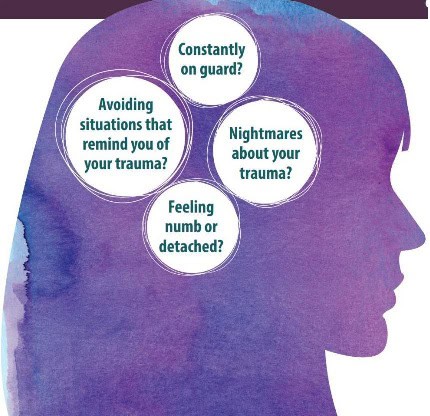
PTSD does not look the same for everyone. Some people experience vivid memories and nightmares, while others feel emotionally numb, detached, anxious, irritable, or constantly on guard. Symptoms may begin soon after the event, or they may become more noticeable later when the person is under stress or reminded of what happened.

Clinically, PTSD symptoms are commonly understood in several broad areas: intrusive symptoms, avoidance, negative changes in mood and thinking, and changes in arousal or reactivity. These categories are reflected in major clinical descriptions of PTSD, including resources from the National Institute of Mental Health and the National Center for PTSD.

Intrusive Memories and Re-Experiencing Symptoms

Intrusive symptoms occur when the traumatic experience continues to interrupt the person’s present life. These symptoms can feel involuntary, unwanted, and difficult to control.

  • Unwanted memories of the traumatic experience
  • Nightmares or distressing dreams
  • Flashbacks or moments of feeling as if the trauma is happening again
  • Strong emotional distress when reminded of the event
  • Physical reactions to reminders, such as racing heart, nausea, sweating, shaking, or shortness of breath

Intrusive memories are not simply “thinking about the past.” For many trauma survivors, reminders can activate the nervous system as if danger is present again. This may happen when seeing a certain location, hearing a voice, smelling something familiar, receiving legal paperwork, discussing the event, or encountering a person or situation connected to the trauma.

Avoidance Symptoms

Avoidance is one of the most common trauma responses. A person may avoid talking about what happened, thinking about it, going near certain places, interacting with certain people, or engaging in activities that bring up reminders.

Avoidance can be misunderstood by others. Family members may think the person “does not care,” “does not want help,” or “should be over it.” In reality, avoidance is often the nervous system’s attempt to prevent emotional flooding.

  • Avoiding conversations about the trauma
  • Avoiding people, places, or situations connected to the event
  • Keeping busy to avoid painful memories
  • Minimizing what happened
  • Difficulty completing paperwork or legal declarations because the details feel overwhelming

Emotional Numbing and Changes in Mood

PTSD can also affect the way a person feels, connects, and experiences emotions. Some trauma survivors do not feel constantly upset; instead, they feel emotionally shut down.

Emotional numbing may include difficulty feeling joy, love, safety, closeness, or hope. A person may withdraw from relationships, feel disconnected from family, or describe feeling like they are “just surviving” rather than fully living.

  • Feeling emotionally detached from others
  • Loss of interest in activities once enjoyed
  • Persistent guilt, shame, fear, anger, or sadness
  • Negative beliefs about oneself, others, or the world
  • Difficulty trusting others
  • Feeling unable to experience positive emotions

In immigration-related matters, emotional numbing may be especially important to understand because a person may underreport symptoms. They may appear calm while describing painful experiences, not because the events were insignificant, but because emotional shutdown has become a coping mechanism.

Hypervigilance and Feeling Constantly on Guard

Hypervigilance means the body and mind remain alert for possible danger, even when the person is no longer in the original traumatic situation. This can create a constant sense of tension, scanning, suspicion, or readiness to react.

  • Feeling tense, alert, or on edge
  • Being easily startled
  • Checking surroundings frequently
  • Difficulty relaxing or sleeping
  • Irritability or anger outbursts
  • Difficulty concentrating
  • Feeling unsafe even in familiar environments

Hypervigilance can affect relationships, parenting, work, driving, sleep, and daily decision-making. A trauma survivor may sit near exits, avoid crowds, become distressed by loud noises, or feel uncomfortable when someone stands too close.

Physical Symptoms of PTSD

PTSD is not only emotional. Trauma can also affect the body. When the nervous system remains activated, a person may experience physical symptoms that feel confusing or frightening.

  • Chest tightness or racing heart
  • Muscle tension
  • Headaches
  • Stomach discomfort
  • Fatigue
  • Sleep problems
  • Shaking, sweating, or shortness of breath
  • Feeling disconnected from the body or surroundings

Physical symptoms should always be taken seriously. Medical evaluation may be appropriate when symptoms are new, severe, one-sided, sudden, or concerning. At the same time, many trauma survivors experience body-based stress responses that are connected to anxiety, panic, or trauma reminders.

PTSD Symptoms May Fluctuate

PTSD symptoms are not always constant. A person may function well on some days and struggle significantly on others. Symptoms may increase around court dates, immigration deadlines, family separation, anniversaries of traumatic events, conflict, financial stress, or reminders of past harm.

This fluctuation does not mean the symptoms are exaggerated or inconsistent. Trauma symptoms often vary depending on stress level, perceived safety, sleep, social support, and exposure to reminders.

Why Some Trauma Survivors Minimize Symptoms

Many trauma survivors minimize what they have experienced. This may happen because of shame, fear, cultural expectations, distrust, emotional numbing, or a long history of needing to stay strong for survival.

Some individuals may say, “I am fine,” even while experiencing nightmares, panic, sleep disruption, intrusive thoughts, and emotional distress. Others may not recognize their symptoms as trauma-related because they have lived with them for so long.

This is one reason trauma-informed assessment is important. A careful evaluation does not rely only on whether a person uses clinical words like “PTSD.” Instead, the evaluator explores symptoms, history, functioning, coping patterns, and the emotional meaning of the person’s experiences.

PTSD and Immigration Psychological Evaluations

PTSD symptoms may be relevant in immigration psychological evaluations when trauma, hardship, fear, family separation, abuse, victimization, persecution, or chronic stress are part of the person’s immigration-related history.

A trauma-informed immigration evaluation may explore how symptoms affect daily functioning, relationships, parenting, work, school, sleep, emotional regulation, decision-making, and the person’s ability to feel safe. The purpose is not to exaggerate symptoms or reach legal conclusions, but to provide clinically grounded documentation of emotional and psychological impact.

PTSD symptoms may be discussed in evaluations involving VAWA, U-Visa, T-Visa, asylum, hardship waivers, cancellation of removal, and other immigration-related matters when clinically relevant.

When to Seek Support

A person may benefit from professional support when trauma symptoms interfere with sleep, relationships, work, parenting, concentration, emotional stability, or daily life. Trauma-focused counseling, EMDR therapy, cognitive behavioral approaches, grounding skills, and other evidence-based treatments may help reduce symptoms and improve functioning.

If someone is experiencing thoughts of self-harm, feeling unable to stay safe, or is in immediate danger, emergency support should be contacted right away.

Key Takeaways

  • PTSD symptoms can include intrusive memories, avoidance, emotional numbing, hypervigilance, and physical stress responses.
  • Trauma symptoms may fluctuate and may become stronger around reminders, legal stress, or family separation.
  • Some trauma survivors minimize symptoms or appear emotionally calm because numbing and avoidance can be part of PTSD.
  • Trauma-informed immigration evaluations focus on clinical accuracy, emotional impact, and functional impairment without making legal conclusions.

Questions About Immigration Psychological Evaluations?

Motivations Counseling provides trauma-informed immigration psychological evaluations for clients located in Texas, with attorney coordination available when authorized.

Schedule Consultation
Call today to schedule an immigration psychological evaluation or to get answers to your questions about our services.

How to reach us...

   (281) 858-3001
     admin@motivationscounseling.com
     Contact Us

Emotional Support Animals: Benefits, Qualifications, and the Importance of a Legitimate Evaluation

Emotional Support Animals (ESAs) can play a meaningful role in the lives of individuals living with psychological or emotional disabilities. When appropriately recommended by a qualified mental health professional, an ESA may help reduce symptoms, improve daily functioning, and provide a consistent source of comfort and stability.

However, as awareness of ESAs has grown, so has confusion—and unfortunately, misuse. Understanding what an ESA is, who qualifies, and why a legitimate clinical evaluation matters is essential for both individuals seeking support and professionals working in this space.

What Is an Emotional Support Animal?

An Emotional Support Animal is a companion animal that provides therapeutic benefit to an individual with a diagnosed mental or emotional condition. Unlike service animals, ESAs are not required to be trained to perform specific tasks. Instead, their presence alone can help alleviate symptoms associated with certain conditions.

Common conditions that may support the need for an ESA include:

  • Anxiety disorders
  • Depression
  • Post-traumatic stress disorder (PTSD)
  • Panic disorders
  • Certain adjustment disorders

It is important to note that simply wanting the companionship of a pet does not qualify someone for an ESA. The need must be directly connected to a recognized psychological condition that substantially impacts daily functioning.

How Emotional Support Animals Can Help

For individuals with qualifying conditions, ESAs can provide several meaningful benefits:

1. Emotional Regulation

Animals can help reduce feelings of anxiety, panic, or emotional overwhelm by providing a calming and grounding presence.

2. Reduction in Isolation

Individuals experiencing depression or trauma-related conditions often withdraw socially. An ESA can provide companionship and reduce feelings of loneliness.

3. Routine and Structure

Caring for an animal introduces daily routines, which can be especially beneficial for individuals struggling with motivation, depression, or disorganization.

4. Increased Sense of Safety

For some individuals, particularly those with trauma histories, the presence of an animal can create a sense of security in their environment.

5. Improved Overall Functioning

When symptoms are reduced, individuals may find it easier to engage in work, relationships, and daily responsibilities.

Who Qualifies for an ESA?

Qualification for an ESA is not based on preference—it is based on clinical necessity.

A licensed mental health professional must determine that:

  • The individual has a diagnosable mental or emotional condition, and
  • The presence of an emotional support animal alleviates one or more symptoms of that condition.

This determination requires a thoughtful, individualized clinical assessment. There is no legitimate “one-size-fits-all” approval.

Why a Legitimate Evaluation Matters

With the rise of online “instant ESA letters,” many individuals are misled into believing that a short questionnaire or quick payment is sufficient. These services often fail to meet clinical and legal standards.

A legitimate ESA evaluation should include:

A Comprehensive Clinical Assessment

A qualified therapist will review mental health history, current symptoms, functional impairment, and the role an ESA would play in treatment.

Diagnostic Clarity

The clinician must be able to support the presence of a diagnosable condition using appropriate clinical criteria.

Clinical Justification

The recommendation for an ESA should clearly connect the individual’s symptoms to the therapeutic benefit provided by the animal.

Ethical Responsibility

A reputable provider will not approve every request. In some cases, they may determine that an ESA is not clinically appropriate and instead recommend alternative supports or treatment.

The Risks of Unverified ESA Letters

Obtaining an ESA letter from an unqualified or unethical source can lead to:

  • Rejection by housing providers or institutions
  • Legal complications
  • Lack of proper clinical support
  • Missed opportunities for appropriate treatment

Most importantly, it undermines the integrity of legitimate ESA recommendations and can create barriers for individuals who truly need them.

Working With a Qualified Professional

When seeking an ESA evaluation, it is important to work with a licensed mental health professional who:

  • Conducts a thorough and individualized assessment
  • Provides honest, unbiased clinical opinions
  • Is available to answer questions or provide documentation if needed
  • Prioritizes your overall mental health—not just the outcome of the evaluation

A thoughtful evaluation process not only ensures compliance with applicable guidelines but also supports better long-term outcomes for the individual.

A Balanced and Ethical Approach

Emotional Support Animals can be incredibly helpful when clinically appropriate. At the same time, they are not the right solution for everyone

An ethical approach means:

  • Recommending ESAs only when clinically justified
  • Ensuring individuals receive appropriate care and guidance
  • Maintaining the credibility of ESA designations

Final Thoughts

For individuals living with emotional or psychological challenges, the right support can make a significant difference. In some cases, an Emotional Support Animal may be part of that support system.

The key is ensuring that the process is grounded in sound clinical judgment, ethical practice, and a genuine focus on the individual’s well-being.

If you are considering an ESA, seeking a qualified professional for a comprehensive evaluation is the most important first step.

Call today to schedule an ESA evaluation or to get answers to your questions about our services.

How to reach us...

   (281) 858-3001
     admin@motivationscounseling.com
     Contact Us

Finding the Right Therapist in Sugar Land, TX: A Practical Guide

Looking for a therapist can feel overwhelming, especially when you are already dealing with stress, anxiety, relationship problems, grief, parenting challenges, or burnout. Many people in Sugar Land begin the search knowing they need support, but are unsure how to choose a therapist who is actually a good fit.

The truth is that finding the right therapist is not just about choosing the closest office or the first name that appears online. It is about finding a licensed professional who understands your concerns, communicates well, and offers an approach that feels comfortable and appropriate for your needs.

This guide explains what to look for when choosing a therapist in Sugar Land, TX, what questions to ask, and how to make a confident decision for yourself, your child, or your family.

Why the Right Therapist Fit Matters

Therapy is personal. Even a highly qualified therapist may not be the right fit for every person. The best therapeutic relationship is one in which you feel respected, understood, and safe enough to be honest. That connection often matters just as much as the specific techniques a therapist uses.

When the fit is good, people are usually more comfortable opening up, more likely to stay consistent with sessions, and more likely to make meaningful progress over time. When the fit is poor, therapy may feel frustrating, impersonal, or unhelpful even if the therapist is skilled.

Start With the Problem You Want Help With

Before choosing a therapist, it helps to get clear on what is bringing you in. You do not need a perfect explanation, but it is useful to know the main issues you want help addressing.

You may be looking for support with:

  • Anxiety, panic, or constant overthinking
  • Depression, low motivation, or emotional exhaustion
  • Marriage or relationship problems
  • Teen or child behavioral concerns
  • Family conflict
  • Trauma or difficult past experiences
  • Stress related to work, caregiving, or life transitions
  • Grief and loss
  • Anger, irritability, or emotional regulation problems

Some therapists work broadly with everyday stress, while others focus more heavily on trauma, couples counseling, children, teens, or specific mental health conditions. Knowing your starting point makes it easier to narrow the search.

Look for the Right Type of Experience

Not all therapists do the same kind of work. A therapist may be excellent with adults experiencing anxiety but not specialize in play therapy for children or marriage counseling for couples. It is reasonable to look for someone whose experience matches your needs.

As you review therapists in Sugar Land, pay attention to whether they mention experience in the areas most relevant to you. This might include

  • Individual counseling for anxiety or depression
  • Marriage counseling or couples therapy
  • Child counseling or teen therapy
  • Family therapy
  • Trauma-informed therapy
  • Support for parenting or co-parenting challenges
  • Faith-sensitive counseling, if that matters to you

You do not need to find someone who lists every issue you have ever experienced. You do want someone who seems familiar with the central problem you are seeking help for now.

Make Sure the Therapist Is Properly Licensed

When searching for a therapist in Texas, make sure the provider is properly licensed or working under appropriate supervision if they are an associate. Common mental health licenses may include LPC, LMFT, LCSW, psychologist, or psychiatrist, depending on the type of service being offered

Licensure matters because it indicates the professional has met state requirements for education, training, and ethical practice. It is also reasonable to look for a practice that clearly explains who you will be seeing and what credentials they hold.

Read Beyond the Buzzwords

Many therapy websites use similar phrases such as “safe space,” “compassionate care,” or “client-centered approach.” Those qualities are important, but they do not tell you much by themselves. Try to read for specifics.

A more helpful therapist profile usually gives you a sense of:

  • Who they work with
  • What concerns they treat most often
  • What therapy with them is actually like
  • Whether they are more direct, supportive, structured, or insight-oriented
  • Whether they provide practical tools in addition to emotional support

If everything sounds vague, polished, or interchangeable, it may be harder to know whether that therapist is truly the right match.

Consider Personality and Communication Style

Some people want a therapist who is warm and gently supportive. Others prefer someone more direct, structured, and practical. Neither style is inherently better. What matters is which style helps you feel comfortable and understood.

As you review a therapist’s website or speak with the office, ask yourself:

  • Does this therapist sound approachable?
  • Do I feel like they understand the kinds of concerns I have?
  • Would I feel comfortable talking honestly with this person?
  • Do I want someone more nurturing, more challenging, or a balance of both?

Good therapy requires honesty, and honesty is easier when the therapist’s style fits your personality.

Think About Practical Fit Too

A therapist can be clinically excellent and still be a poor practical fit. Sometimes therapy stops not because it is unhelpful, but because the scheduling, cost, location, or format does not work well for real life.

When comparing therapists in Sugar Land, consider:

  • Office location and drive time
  • Availability after work or school
  • Whether virtual therapy is offered
  • Session fees and insurance or private-pay structure
  • Cancellation policies
  • How easy it is to schedule and communicate with the office

Consistency matters in therapy, so practical barriers are worth taking seriously from the beginning.

Questions to Ask Before Booking

You do not need to interview a therapist aggressively, but asking a few thoughtful questions can help you make a better choice. Consider asking

  • Do you have experience helping people with this type of concern?
  • What is your general approach to therapy?
  • Do you work with children, teens, adults, couples, or families?
  • What can I expect in the first session?
  • How often do clients typically come in at the beginning?
  • Do you offer in-person counseling in Sugar Land, virtual sessions, or both?
  • What are your fees and policies?

You are not looking for perfect answers. You are looking for clarity, professionalism, and a sense that the therapist or office understands what you are asking.

What to Expect in the First Session

The first therapy session is usually more focused on understanding your concerns than solving everything immediately. A therapist will often ask about what brought you in, how long the problem has been going on, what stressors are affecting you, what you have tried so far, and what you hope will improve.

This session is also your chance to evaluate the fit. Notice whether you feel heard, whether the therapist seems thoughtful and organized, and whether their responses feel grounded rather than generic.

You do not have to decide after five minutes whether this is the perfect therapist for life. But after the first one or two sessions, you should begin to get a sense of whether the relationship feels productive and comfortable.

Signs a Therapist May Be a Good Fit

  • You feel listened to rather than rushed
  • The therapist seems to understand your main concerns
  • You feel emotionally safe, even if the conversation is difficult
  • The therapist communicates clearly and professionally
  • Their approach feels relevant to your needs
  • You leave with a sense of direction or meaningful reflection

Signs You May Need a Different Therapist

  • You consistently feel misunderstood
  • The sessions feel too generic or disconnected from your goals
  • You do not feel comfortable being honest
  • The therapist seems unfamiliar with the kind of issue you need help with
  • Scheduling, communication, or professionalism are ongoing problems

Not every mismatch means someone is a bad therapist. Sometimes it simply means the fit is not right for you.

Therapy in Sugar Land, TX: In-Person and Online Options

Many people in Sugar Land prefer in-person counseling because they value face-to-face connection and a dedicated place away from daily distractions. Others prefer virtual therapy for convenience, easier scheduling, or reduced travel time. Both options can be effective depending on your needs and preferences.

If you are balancing work, parenting, commuting, or school schedules, it may help to choose a practice that offers flexible options so therapy remains realistic and sustainable.

Choosing a Therapist for a Child or Teen

If you are seeking counseling for a child or teenager, fit matters just as much, if not more. Children and teens often engage better when they feel comfortable with the therapist’s personality and style. Parents should also look for someone who communicates clearly about goals, progress, and what role the parent will play in the process.

It is worth asking whether the therapist has specific experience with your child’s age group and presenting concerns, whether that involves anxiety, school refusal, emotional regulation, family stress, behavioral problems, or social challenges.

Final Thoughts: Do Not Wait for a Crisis

Many people wait until things feel unbearable before reaching out for therapy. But counseling does not have to be a last resort. It can be a practical, proactive way to get support, gain clarity, and make life feel more manageable before problems grow more severe.

If you are searching for the right therapist in Sugar Land, TX, focus on finding someone with relevant experience, a style that feels comfortable, and a process that fits your real life. The goal is not to find a perfect therapist on paper. It is to find a therapist you can actually work with in a meaningful way.

Call today to schedule a counseling session or to get answers to your questions about our services.

How to reach us...

   (281) 858-3001
     admin@motivationscounseling.com
     Contact Us

What Makes a Strong Immigration Psychological Evaluation? A Clinical Guide for Attorneys and Applicants

Immigration Psychological Evaluations

What Makes a Strong Immigration Psychological Evaluation?

Immigration psychological evaluations can provide clinically grounded documentation of mental health symptoms, functional impairment, and the emotional impact of immigration-related stressors. A strong evaluation is structured, evidence-based, trauma-informed, and clearly written so that attorneys and adjudicators can understand the clinical findings without confusion or overstatement.

The Role of an Immigration Psychological Evaluation

An immigration psychological evaluation is a clinical assessment that documents psychological symptoms, diagnoses when appropriate, and the ways emotional symptoms affect daily functioning. The evaluation may also describe the anticipated emotional and practical consequences of immigration outcomes such as family separation, relocation, or prolonged legal uncertainty.

These evaluations are not approval letters and do not guarantee legal outcomes. Their purpose is to provide a clinically grounded picture of emotional functioning using professional standards, objective documentation, and trauma-informed assessment.

Who Conducts Immigration Psychological Evaluations?

Immigration psychological evaluations are typically conducted by licensed mental health professionals such as psychologists or licensed professional counselors with experience assessing trauma, anxiety, depression, PTSD symptoms, and stress-related conditions.

Strong evaluations commonly reflect:

  • Appropriate licensure in the state where services are provided
  • Training in evidence-based assessment and trauma-informed care
  • Experience with immigration-related clinical documentation
  • Clear professional boundaries between clinical opinions and legal conclusions
  • Structured and organized report writing

It is also helpful when the evaluator understands how to communicate findings in a format attorneys can use effectively, including concise summaries, organized sections, and plain-language descriptions of symptoms and functioning.

Core Components of a Strong Immigration Psychological Evaluation

1. Thorough Clinical Interview

A strong evaluation begins with a detailed clinical interview exploring presenting concerns, emotional symptoms, trauma exposure, mental health history, treatment history, medical background as relevant, and current stressors.

The goal is to understand what symptoms are present, how long they have occurred, and how they affect functioning across important areas of life.

2. Psychosocial and Family History

Immigration-related matters often involve complex family systems, caregiving responsibilities, trauma exposure, loss, instability, and chronic stress. A strong evaluation documents relevant background information while remaining clinically focused and avoiding unnecessary speculation.

3. Standardized Screening Measures

Many strong evaluations incorporate validated clinical screening tools when appropriate. These measures do not replace clinical judgment, but they can strengthen clarity and provide additional support for clinical impressions.

Screening tools may assess:

  • Depression symptoms
  • Anxiety symptoms
  • Post-traumatic stress symptoms
  • Functional impairment
  • Sleep disruption and stress-related reactions

4. Mental Status Examination

The mental status examination documents observable findings during the interview, including mood, affect, orientation, thought processes, cognition, insight, judgment, and behavioral presentation.

A strong mental status examination is concise, factual, and consistent with the symptoms described throughout the evaluation.

5. Diagnostic Impressions

When clinically appropriate, evaluations may include diagnostic impressions related to anxiety disorders, depressive disorders, trauma-related disorders, or other mental health conditions.

Strong evaluations avoid overstatement and connect diagnoses to documented symptoms and clinical reasoning.

6. Functional Impact

One of the most important components of an immigration psychological evaluation is documenting how symptoms affect daily life and functioning.

This may include effects on:

  • Work performance and stability
  • Parenting and caregiving responsibilities
  • Relationships and communication
  • Sleep, appetite, energy, and concentration
  • Self-care and medical adherence
  • Community support and social functioning

Strong evaluations connect symptoms to real-world functioning and explain why immigration-related stressors may be clinically significant.

7. Objective Clinical Summary

A strong evaluation concludes with a focused and objective clinical summary highlighting major symptoms, clinical impressions, and functional consequences using clear, understandable language.

How Evaluations Differ by Immigration Case Type

While the clinical foundation remains consistent, immigration psychological evaluations may focus on different emotional themes depending on the immigration matter.

I-601 / I-601A Hardship Waiver Evaluations

These evaluations often focus on the emotional and functional impact of potential family separation or relocation, including hardship-related stress, emotional destabilization, caregiving concerns, and mental health symptoms affecting qualifying relatives.

Cancellation of Removal Evaluations

These evaluations commonly address prolonged uncertainty, emotional hardship, family disruption, caregiving stress, and the psychological impact of separation.

I-246 Stay of Removal Evaluations

These evaluations frequently document acute stress responses, fear, sleep disruption, panic symptoms, and emotional destabilization associated with imminent removal concerns.

VAWA Psychological Evaluations

VAWA evaluations often include trauma-informed assessment of abuse-related stress, coercive control, trauma symptoms, emotional safety concerns, and long-term psychological impact.

U-Visa Psychological Evaluations

U-Visa evaluations commonly explore trauma symptoms following victimization, including hypervigilance, intrusive memories, emotional numbing, anxiety, avoidance, and changes in daily functioning.

T-Visa Psychological Evaluations

T-Visa evaluations often focus on complex trauma responses, chronic stress, fear, emotional dysregulation, and the effects of exploitation on safety, trust, and daily functioning.

I-130 Psychological Evaluations

These evaluations may address emotional hardship, family stability, separation-related stress, anxiety, depression, and the psychological impact of prolonged uncertainty.

Common Misconceptions About Immigration Evaluations

“A Psychological Evaluation Guarantees Approval”

No evaluation can guarantee a legal outcome. The role of the evaluation is to provide clinically grounded documentation of symptoms, functioning, emotional impact, and clinical impressions.

“An Immigration Evaluation Is Just a Therapy Letter”

Immigration evaluations are structured assessment services that differ from therapy documentation. They typically involve formal interviews, assessment components, clinical analysis, and organized report writing.

“The Evaluator Should Make Legal Conclusions”

Strong evaluations avoid legal conclusions. Instead, they provide clinical findings that attorneys may integrate into the broader legal strategy.

Ethical and Professional Standards

High-quality immigration psychological evaluations reflect ethical practice, professional boundaries, and trauma-informed interviewing principles.

  • Informed consent and explanation of the evaluation purpose
  • Objective and clinically independent reporting
  • Trauma-informed interviewing practices
  • Confidentiality and professional documentation standards
  • Accurate reporting based on clinical findings

Choosing an Immigration Evaluation Provider in Texas

When selecting an immigration evaluation provider, it may be helpful to consider:

  • Texas licensure and authorization to practice
  • Experience with the relevant immigration case type
  • Trauma-informed assessment experience
  • Structured evaluation and reporting process
  • Communication expectations and attorney coordination
  • Telehealth availability throughout Texas

A strong provider communicates clearly, maintains professional objectivity, and avoids unrealistic promises about legal outcomes.

Key Takeaways

  • Strong immigration psychological evaluations are structured, objective, and trauma-informed.
  • High-quality evaluations clearly connect emotional symptoms to daily functioning and hardship-related impact.
  • Different immigration case types may involve different clinical themes and symptom patterns.
  • Trauma-informed assessment, ethical practice, and professional documentation standards are important components of a strong evaluation.
  • Immigration psychological evaluations provide clinical documentation but do not guarantee legal outcomes.

Immigration Psychological Evaluations in Texas

Motivations Counseling provides trauma-informed immigration psychological evaluations for clients throughout Texas via telehealth, with in-person availability in Sugar Land and Katy.

Evaluations are available for hardship waivers, VAWA, U-Visa, T-Visa, cancellation of removal, Stay of Removal matters, Petition for Alien Relative cases, and other immigration-related concerns.

Explore Immigration Evaluation Services

Need to schedule a consultation?

Fill out a brief form and a member of our staff will contact you right away.

Schedule Consultation

How to reach us...

   (281) 858-3001
     admin@motivationscounseling.com
     Contact Us

When Do I Need an Evaluation for VAWA?

When Do I Need an Evaluation for VAWA?


If you’re applying for immigration protection under the Violence Against Women Act (VAWA), you may have heard that a psychological evaluation can strengthen your petition. But what exactly is this evaluation? Who needs one? And when should you get it?

This post explains when and why a VAWA psychological evaluation may be needed, what it involves, and how it can support your immigration journey.


What Is VAWA?

The Violence Against Women Act (VAWA) allows certain immigrants—regardless of gender—to apply for lawful status in the U.S. if they have experienced abuse by a:

  • U.S. citizen or lawful permanent resident spouse
  • Parent
  • Or adult child

VAWA allows you to self-petition for lawful status and includes work authorization, protection from deportation, and eventually, permanent residency.


What Is a VAWA Psychological Evaluation?

A VAWA psychological evaluation is a clinical report prepared by a licensed mental health professional. It documents:

  • The abuse you experienced
  • How it has affected your mental health
  • The emotional, psychological, and functional impact of the relationship

When Should You Get a VAWA Evaluation?

1. When Your Immigration Attorney Recommends It

Many VAWA cases benefit from expert documentation of abuse—especially when there is:

  • Little or no police documentation
  • Emotional or psychological abuse (vs. physical only)
  • Difficulty proving the relationship was abusive

2. When You Have No Restraining Order or Police Report

If you didn’t report the abuse or obtain a protective order, your psychological evaluation can:

  • Explain why you didn’t report (e.g., fear, dependency)
  • Describe the trauma and control patterns
  • Show the emotional toll

3. When the Abuse Was Emotional, Verbal, or Psychological

VAWA covers more than just physical abuse. Psychological evaluations highlight the severity of:

  • Verbal threats
  • Emotional manipulation
  • Isolation or intimidation

4. Before Submitting Your I-360 Petition

Having your evaluation ready when you file allows attorneys to incorporate it into your legal brief and can prevent delays.

5. When You Are Struggling Emotionally

Even if not legally required, get an evaluation if you’re experiencing:

  • Depression, anxiety, or trauma
  • Sleep or concentration problems
  • Panic attacks or nightmares

What Does the Evaluation Involve?

Typically includes:

  • 1–2 clinical interviews
  • Assessment questionnaires
  • Discussion of abuse and symptoms
  • 10–20 page written report with diagnosis and professional opinion

How Long Does It Take?

  • Standard: 5–7 business days
  • Expedited: 48–72 hours (additional fee)

What Does It Cost?

  • $650 per evaluation
  • $150 for interpreter services (if needed). No cost if you bring your own.
  • $300 for expedited report

Do Immigration Officers Use These Reports?

Yes. Officers are trained to review psychological evaluations as supportive evidence. A strong evaluation can fill in gaps and increase approval odds.


Final Thoughts

A VAWA psychological evaluation helps tell your story with clarity and clinical credibility. It supports both your legal case and emotional healing.


Need Help with a VAWA Evaluation?

Motivations Counseling offers:

  • Fast, trauma-informed VAWA evaluations
  • Licensed bilingual clinicians
  • 48-hour expedited options
  • In-person or telehealth across Texas

Call today to schedule an appointment with one of our therapists offering Sugar Land or Katy counseling services or ask for a free 10-minute consultation.


How to reach us...

   (281) 858-3001
     admin@motivationscounseling.com
     Contact Us