
Tag: Mental Health Counseling

When Anxiety Becomes Avoidance: Why Short-Term Relief Can Keep Anxiety Strong | Motivations Counseling

Anxiety Resources

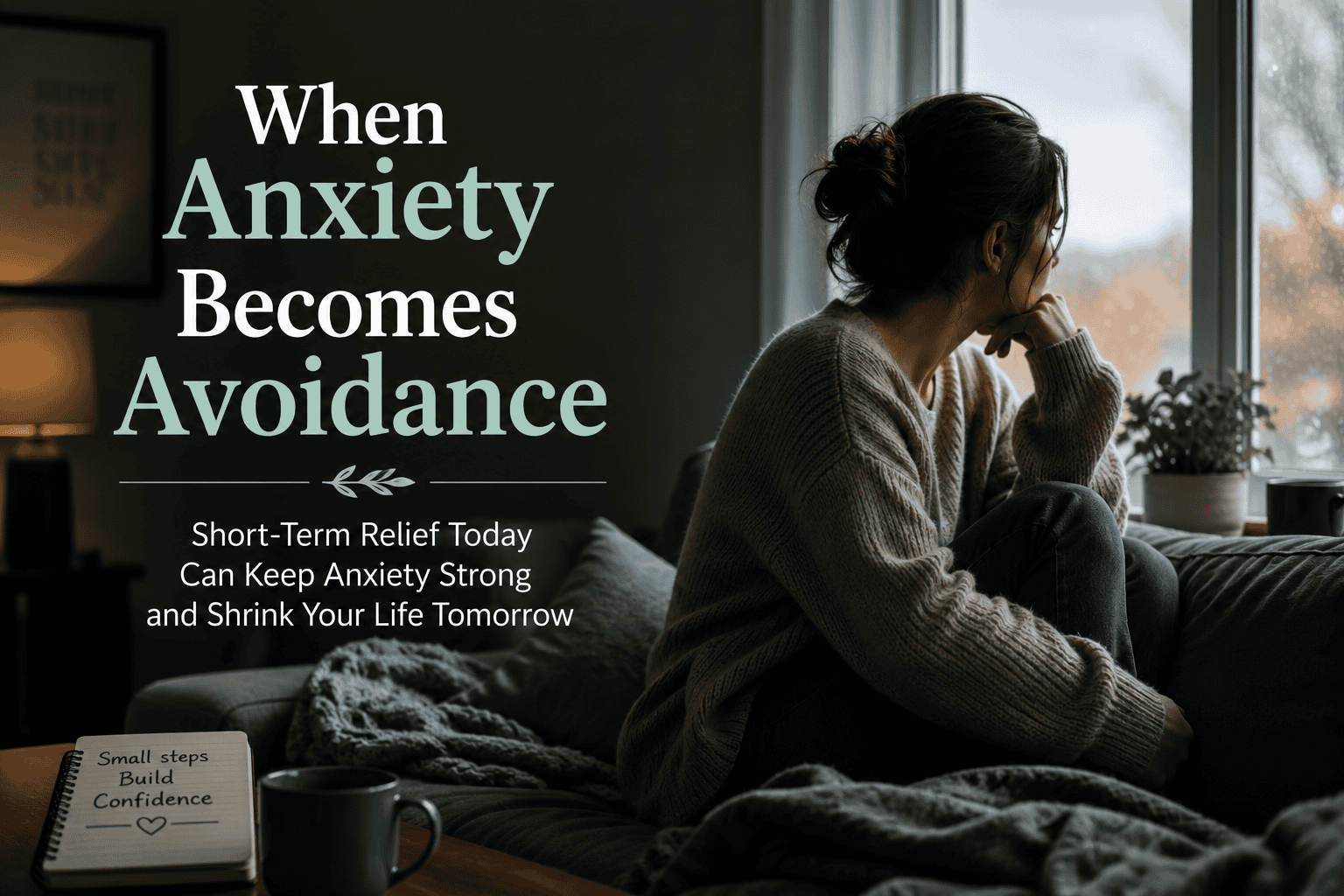
When Anxiety Becomes Avoidance: Why Short-Term Relief Can Keep Anxiety Strong

Avoidance can bring short-term relief while keeping anxiety stronger over time and shrinking daily life. This guide explains why avoidance feels protective, how it can become a cycle, and how counseling can help you rebuild confidence at a manageable pace.

Start Here

Avoidance Can Make Anxiety Feel Better Temporarily

Avoidance is one of the most common ways people try to manage anxiety. When something feels uncomfortable, uncertain, overwhelming, or threatening, avoiding it can bring immediate relief. The body calms down, the pressure decreases, and the person may feel safer for the moment.

The problem is that avoidance often teaches the brain that the avoided situation was truly dangerous. Over time, anxiety may become stronger, confidence may shrink, and daily life may become more restricted. What began as self-protection can slowly become a pattern that keeps anxiety in charge.

What Is Anxiety-Related Avoidance?

Anxiety-related avoidance refers to staying away from situations, conversations, places, decisions, sensations, responsibilities, or emotions because they trigger fear, discomfort, uncertainty, panic symptoms, shame, or overwhelm. Avoidance may reduce anxiety in the short term while reinforcing anxiety over time.

What It Feels Like

What Anxiety Avoidance Can Feel Like

Avoidance is not always obvious. Sometimes it looks like procrastination, over-preparing, staying busy, canceling plans, asking for reassurance, or quietly organizing life around anxiety.

Canceling or Delaying

You may put off appointments, conversations, tasks, or plans because they feel too uncomfortable.

Changing Your Route

You may structure life around avoiding certain places, people, sensations, or situations.

Seeking Reassurance

You may repeatedly ask for certainty, approval, or confirmation before taking action.

Over-Preparing

Preparation can become avoidance when you keep planning instead of moving forward.

Pulling Back

You may avoid social situations, conflict, decisions, or responsibilities to prevent anxiety from rising.

Life Gets Smaller

The more you avoid, the fewer places, choices, and experiences may feel manageable.

Short-Term Relief

Why Avoidance Feels Helpful at First

Avoidance works in the short term because it lowers anxiety quickly. If a situation triggers fear or discomfort, leaving, canceling, postponing, or avoiding may bring an immediate sense of relief. The nervous system may interpret that relief as safety.

This relief can make avoidance feel like the right choice, especially when anxiety feels intense. The person may think, “I feel better now, so avoiding must have protected me.” But the relief comes from escaping the anxiety trigger, not from learning that the situation can be handled.

Avoidance may feel helpful because it:

  • Reduces anxiety quickly
  • Prevents uncomfortable body sensations
  • Avoids uncertainty or possible rejection
  • Stops panic from escalating in the moment
  • Protects against embarrassment, conflict, or failure
  • Gives a temporary sense of control

Short-term relief is real. The challenge is that repeated avoidance often makes anxiety more powerful in the long term.

Long-Term Cost

Avoidance Can Keep Anxiety Strong Over Time

Anxiety often grows when the brain never has a chance to learn that a situation can be tolerated, handled, or survived. Each time avoidance brings relief, the brain may strengthen the belief that the avoided situation is dangerous.

  • The anxiety trigger feels more threatening.
  • Confidence decreases.
  • Daily life becomes more restricted.
  • Avoidance becomes harder to interrupt.

Important Reframe

Avoidance Is Usually Protection, Not Laziness

Many people feel ashamed of avoidance. They may call themselves lazy, weak, dramatic, or irresponsible. In reality, avoidance is often the nervous system trying to reduce perceived threat.

  • Understanding the pattern reduces shame.
  • Avoidance can be changed gradually.
  • Small steps matter.
  • Support can make change feel safer.

The goal is not to force yourself into overwhelming situations. The goal is to build enough safety, support, and confidence to approach anxiety in manageable steps.

Common Patterns

Common Ways Anxiety Becomes Avoidance

Avoidance can show up in many areas of life. Sometimes it is obvious, such as refusing to go somewhere. Other times it is subtle, such as overthinking, over-researching, over-apologizing, or waiting until you feel completely ready.

Anxiety-related avoidance may include:

  • Avoiding phone calls, emails, texts, or difficult conversations
  • Putting off appointments, paperwork, work tasks, or decisions
  • Avoiding driving, crowds, stores, restaurants, elevators, or unfamiliar places
  • Canceling plans because of worry or physical anxiety symptoms
  • Avoiding conflict by staying silent or people-pleasing
  • Over-preparing instead of acting
  • Seeking repeated reassurance before making choices
  • Avoiding feelings, memories, or body sensations that feel uncomfortable

Avoidance becomes more concerning when it begins shaping decisions, limiting relationships, interfering with responsibilities, or shrinking daily life.

Relationships

Anxiety Avoidance Can Affect Relationships

Avoidance can influence communication, conflict, intimacy, reassurance needs, and emotional closeness. A person may avoid saying what they need because they fear conflict. They may avoid difficult conversations because they worry about rejection. They may avoid vulnerability because closeness feels uncertain or unsafe.

Over time, avoidance can create distance. Loved ones may feel shut out, confused, or responsible for reducing anxiety. The person with anxiety may feel guilty, dependent, resentful, or stuck between wanting connection and fearing discomfort.

Relationship avoidance may look like:

  • Avoiding conflict or difficult topics
  • Withdrawing when emotions feel intense
  • People-pleasing to prevent disapproval
  • Seeking reassurance repeatedly
  • Avoiding vulnerability or emotional honesty
  • Canceling plans or avoiding social gatherings

Therapy can help clients communicate needs more directly, tolerate emotional discomfort, and build connection without letting anxiety control the relationship.

Trauma and Avoidance

Avoidance Can Also Be Connected to Trauma

Avoidance is common after trauma. The nervous system may try to protect the person from reminders, sensations, memories, people, places, or situations that feel linked to danger. This can make avoidance feel necessary, even when the current situation is not the same as the past.

Trauma-related avoidance may need a slower, more trauma-informed approach. Pushing too quickly can increase shutdown, panic, or emotional overwhelm. Therapy often begins with safety, grounding, coping skills, and pacing before deeper processing.

Trauma-related avoidance may include:

  • Avoiding places, people, or reminders connected to trauma
  • Avoiding emotions, memories, or body sensations
  • Feeling numb or shut down when stress rises
  • Using busyness to avoid quiet or reflection
  • Avoiding closeness because trust feels unsafe
  • Feeling anxious without knowing why a situation feels threatening

When avoidance is trauma-related, the goal is not to force exposure. The goal is to help the nervous system build safety and choice.

An Educational Framework

The Anxiety-Avoidance Cycle

Avoidance can become self-reinforcing because it lowers anxiety quickly while keeping fear stronger over time.

1. Anxiety Rises

A situation, thought, sensation, memory, task, or conversation triggers fear or discomfort.

2. Avoidance Happens

The person cancels, delays, leaves, reassures, distracts, over-prepares, or avoids the trigger.

3. Relief Arrives

Anxiety drops temporarily, which makes avoidance feel like it worked.

4. Fear Is Reinforced

The brain learns that the situation must have been dangerous because avoiding brought relief.

5. Life Shrinks

More situations begin to feel difficult, and confidence decreases.

6. The Pattern Repeats

Avoidance becomes the default response, and anxiety stays in control.

Breaking the cycle usually means approaching avoided situations gradually, with support, pacing, coping skills, and realistic steps.

What Helps

What Can Help When Anxiety Becomes Avoidance

Reducing avoidance does not mean forcing yourself into overwhelming situations. It means helping your nervous system learn that discomfort can be tolerated, choices can be made, and life can expand again.

Name the Avoidance Pattern

Identifying what you avoid and what relief you get can help clarify the cycle.

Start Smaller

Choose steps that are challenging enough to build confidence but not so large that they overwhelm you.

Support the Body

Grounding, breathing, movement, and nervous system regulation can help anxiety become more tolerable.

Reduce Shame

Avoidance is often a protective response. Shame makes it harder to change.

Reconnect With Values

Values can help guide small steps toward the life anxiety has been shrinking.

Get Support

Therapy can help with anxiety, avoidance, panic symptoms, trauma responses, and confidence-building.

When to Seek Help

When to Seek Counseling for Anxiety and Avoidance

It may be time to seek counseling when avoidance begins affecting relationships, work, school, parenting, health appointments, driving, social life, decision-making, communication, or daily functioning.

Consider counseling if you notice:

  • You avoid situations because anxiety feels too intense
  • You cancel plans, delay tasks, or avoid conversations
  • Your daily life feels smaller than it used to
  • You rely on reassurance, escape, or over-preparation to feel okay
  • You avoid places, sensations, memories, or emotions connected to trauma
  • You feel ashamed of avoidance but cannot seem to stop
  • Your anxiety improves briefly, then returns stronger
  • You want support rebuilding confidence gradually

If anxiety includes panic symptoms, trauma triggers, depression, thoughts of self-harm, or safety concerns, professional support can help determine the safest next step.

Anxiety Counseling at Motivations Counseling

Therapy Can Help You Break the Anxiety-Avoidance Cycle

Motivations Counseling provides anxiety counseling for adults experiencing avoidance, worry, panic symptoms, overthinking, perfectionism, reassurance-seeking, stress, emotional overwhelm, trauma responses, and difficulty feeling calm or confident.

Our counseling team serves clients in Sugar Land, Katy, Richmond, Fort Bend County, West Houston, and through telehealth across Texas when clinically appropriate.

Counseling Support

Anxiety Counseling in Sugar Land, Katy, and Online Across Texas

If avoidance is bringing short-term relief while making your life feel smaller, counseling can help you understand the pattern and rebuild confidence in manageable steps.

  • Individual counseling for anxiety and avoidance
  • Support for panic symptoms, worry, overthinking, and reassurance-seeking
  • Help with difficult conversations, decisions, social anxiety, and life stress
  • Trauma-informed counseling when avoidance connects to painful experiences
  • In-person options in Sugar Land and Katy when available
  • Telehealth counseling across Texas when clinically appropriate
Call or Text: (281) 858-3001

Frequently Asked Questions

Common Questions About Anxiety and Avoidance

Can anxiety cause avoidance?

Yes. Anxiety can cause people to avoid situations, conversations, places, decisions, sensations, responsibilities, or emotions that feel uncomfortable, uncertain, or overwhelming.

Why does avoidance make anxiety worse?

Avoidance can make anxiety worse because it teaches the brain that the avoided situation is dangerous. Although avoidance lowers anxiety in the short term, it can reinforce fear and reduce confidence over time.

What are examples of anxiety avoidance?

Examples include canceling plans, avoiding phone calls, delaying appointments, avoiding difficult conversations, seeking repeated reassurance, avoiding driving or crowds, over-preparing, or avoiding emotions and memories.

Is avoidance always bad?

Avoidance is not always bad. Sometimes stepping away is protective or necessary. It becomes a problem when it repeatedly limits life, increases fear, reduces confidence, or keeps anxiety in control.

Can trauma cause avoidance?

Yes. Trauma can lead to avoidance of reminders, sensations, emotions, places, people, or memories connected to past danger. Trauma-related avoidance often needs a slower, trauma-informed approach.

How can therapy help with avoidance?

Therapy can help identify the avoidance cycle, reduce shame, build coping skills, support nervous system regulation, and help clients take gradual steps toward situations they have been avoiding.

Should I force myself to face my anxiety?

Forcing yourself too quickly can sometimes increase overwhelm. A more helpful approach is often gradual, supported, and paced so the nervous system can build confidence without feeling flooded.

When should I seek counseling?

Consider counseling when avoidance affects relationships, work, school, daily routines, social life, communication, decision-making, or your ability to live the way you want.

Susan Baker, M.Ed., NCC, LPC-S, Licensed Professional Counselor Supervisor in Texas

Article Author

Written by a Licensed Texas Mental Health Professional

This article was written for Motivations Counseling by Susan Baker, M.Ed., NCC, LPC-S, a Texas Licensed Professional Counselor Supervisor and clinical leader at Motivations Counseling.

Susan Baker, M.Ed., NCC, LPC-S
Texas Licensed Professional Counselor Supervisor
EMDR Therapist & EMDRIA Member
Texas LPC License #73957

Susan Baker is the Clinical Director of Motivations Counseling and provides trauma-informed counseling, EMDR therapy, anxiety treatment, depression counseling, couples counseling, immigration psychological evaluations, and mental health assessment services. Motivations Counseling serves clients from offices in Sugar Land and Katy, Texas, with telehealth services available statewide for Texas residents.

Take the Next Step

Anxiety Counseling in Sugar Land, Katy, and Online Across Texas

If anxiety has led to avoidance, canceled plans, delayed decisions, reduced confidence, or a smaller daily life, counseling can help you understand the pattern and begin taking manageable steps forward.
×

Depression and Social Withdrawal: Why Depression Can Lead to Isolation | Motivations Counseling

Depression Resources

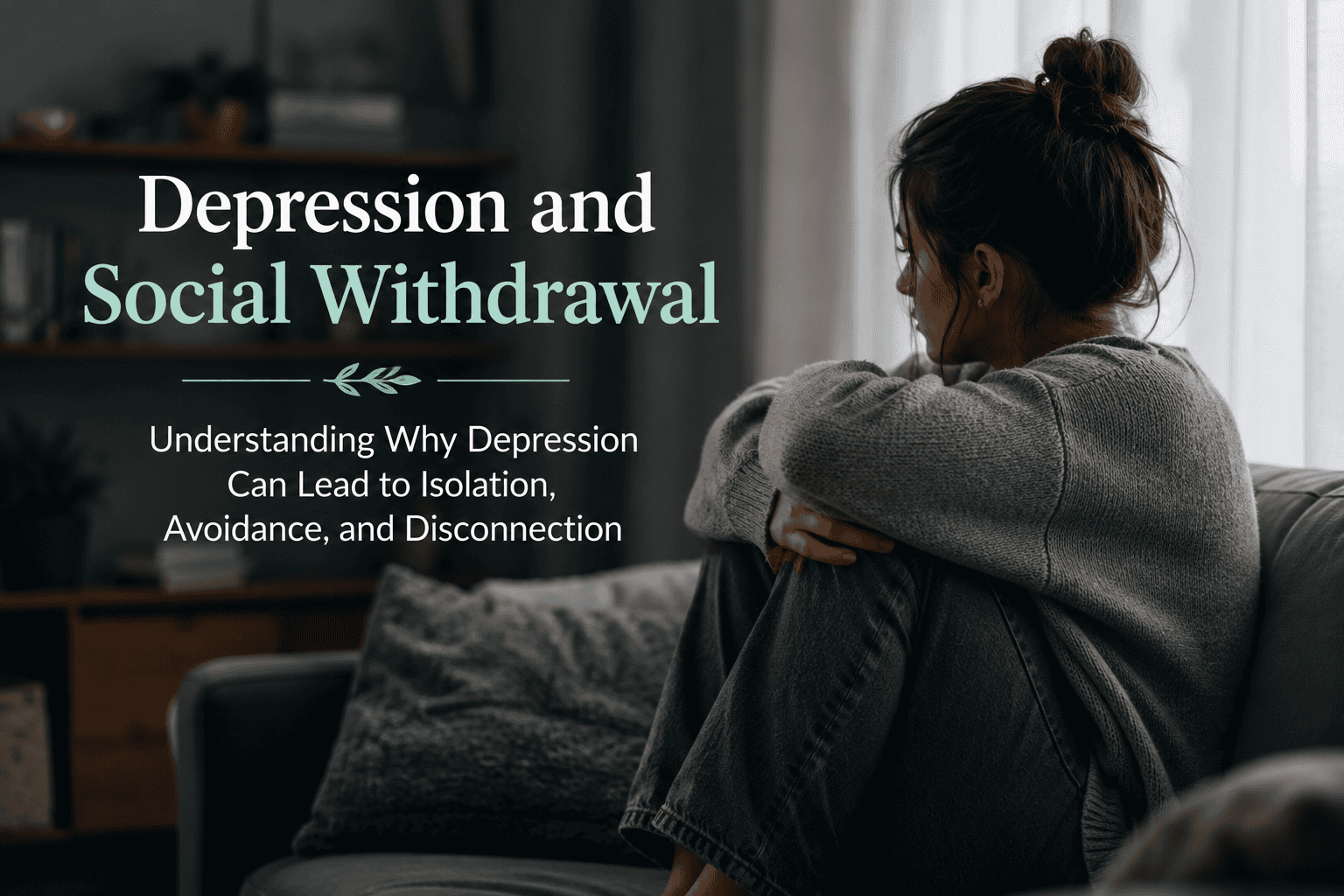
Depression and Social Withdrawal: Why Depression Can Lead to Isolation

Depression can make communication feel harder, relationships feel more distant, and social connection feel exhausting. This guide explains why depression can lead to isolation, reduced communication, avoidance, and disconnection — and how counseling can help.

Start Here

Social Withdrawal Can Be Part of Depression

Depression does not only affect mood. It can change the way someone relates to people, responds to messages, participates in relationships, and manages social energy. A person may care deeply about others and still feel unable to reach out, reply, make plans, or show up the way they once did.

Social withdrawal can be confusing for both the person experiencing depression and the people who care about them. From the outside, it may look like disinterest, distance, avoidance, or rejection. Internally, it may feel like exhaustion, shame, numbness, fear of being a burden, or not having the words to explain what is happening.

What Is Depression-Related Social Withdrawal?

Depression-related social withdrawal refers to isolation, reduced communication, avoidance, emotional disconnection, or pulling away from relationships because depression has lowered energy, motivation, hope, emotional capacity, or the ability to feel connected.

What It Feels Like

What Depression-Related Withdrawal Can Feel Like

Social withdrawal may not mean someone wants to be alone forever. Often, it means connection feels harder to access when depression is present.

Wanting to Hide

You may feel the urge to disappear, stay quiet, avoid people, or retreat from normal routines.

Not Replying

Texts, calls, and emails may pile up because responding feels emotionally or mentally exhausting.

Canceling Plans

Even plans you once looked forward to may feel overwhelming, draining, or impossible to attend.

Feeling Disconnected

You may be around people but still feel distant, numb, invisible, or emotionally unavailable.

Feeling Like a Burden

Depression may tell you that reaching out would bother others, even when people care about you.

Not Knowing What to Say

It may feel hard to explain what is wrong, especially when you do not fully understand it yourself.

Why It Happens

Why Depression Can Lead to Isolation

Depression often reduces emotional energy, motivation, concentration, and the ability to experience pleasure. Social interaction may require energy that the person does not feel they have. Even simple conversations can feel effortful when someone is exhausted, numb, ashamed, hopeless, or overwhelmed.

Depression can also change the way people interpret themselves and relationships. Someone may believe they are a burden, that no one wants to hear from them, that they have nothing to offer, or that others are better off without their problems. These thoughts can make isolation feel safer in the moment, even when it worsens loneliness over time.

Depression may contribute to withdrawal through:

  • Low energy and emotional exhaustion
  • Loss of interest in social activities
  • Feeling numb, disconnected, or emotionally flat
  • Shame, guilt, or fear of being a burden
  • Difficulty explaining what is wrong
  • Fear of judgment or misunderstanding
  • Reduced motivation to make or keep plans
  • Feeling hopeless about whether support will help

Social withdrawal is often a symptom or coping response, not a sign that someone does not care about their relationships.

Communication Changes

Depression Can Make Communication Feel Hard

When depression is present, communication can feel surprisingly difficult. A person may avoid replying because they do not know what to say, feel guilty for taking too long, or worry that being honest will make others uncomfortable.

  • Texts may feel overwhelming to answer.
  • Phone calls may feel like too much pressure.
  • Explaining symptoms may feel impossible.
  • Silence may become easier than vulnerability.

Helpful Reframe

A Small Message Still Counts

When communication feels hard, a short honest message may be enough. You do not have to explain everything perfectly to stay connected.

  • “I’m having a hard week, but I care about you.”
  • “I don’t have much energy to talk, but I appreciate you checking in.”
  • “I’m not ignoring you. I’m overwhelmed.”
  • “Can we keep it low-pressure today?”

Therapy can help clients practice communicating distress in simple, realistic ways that do not require overexplaining or pretending to be okay.

Avoidance

Avoidance Can Feel Protective at First

Avoidance often begins as an attempt to reduce pressure. If social situations feel exhausting, replying feels overwhelming, or vulnerability feels unsafe, pulling away may bring temporary relief. The person may feel calmer for a moment because they have avoided a demand.

Over time, however, avoidance can increase loneliness, guilt, and disconnection. The longer someone waits to reply or reengage, the harder it may feel to return. Depression may then use the distance as “proof” that the person is alone, unwanted, or too far behind.

Avoidance may look like:

  • Canceling plans repeatedly
  • Not opening messages
  • Ignoring calls because they feel overwhelming
  • Avoiding social media or group chats
  • Waiting until you feel “better” before reaching out
  • Feeling anxious about how much time has passed

The goal is not to force constant socializing. The goal is to reduce isolation in ways that feel realistic, safe, and sustainable.

Relationships

Depression Can Create Distance in Relationships

Depression can affect relationships even when love or care is still present. A person may have less emotional energy to give, less ability to initiate connection, or less capacity to respond warmly. Loved ones may feel confused or hurt, while the person with depression may feel guilty, ashamed, or misunderstood.

This can be especially painful because depression often increases the need for support while also making support harder to receive. Someone may want connection but feel too tired, numb, embarrassed, or afraid to reach for it.

Relationship patterns may include:

  • Feeling distant even from people you love
  • Not initiating conversations or plans
  • Feeling guilty for not showing up the same way
  • Assuming others are frustrated with you
  • Withdrawing to avoid disappointing people
  • Feeling lonely but too exhausted to connect

Repair and reconnection are possible. Counseling can help clients understand the withdrawal pattern and rebuild communication gradually.

Shame and Self-Criticism

Shame Can Make Withdrawal Worse

Many people feel ashamed when they withdraw. They may judge themselves for being unreliable, distant, awkward, or difficult. They may worry that others are upset with them, even if no one has said that directly.

Shame can then deepen the isolation. The person may avoid reaching out because they feel embarrassed about disappearing, guilty about unanswered messages, or unsure how to explain the silence. This can create a painful cycle where withdrawal leads to shame, and shame leads to more withdrawal.

Depression-related shame may sound like:

  • “I’m a bad friend.”
  • “Everyone is tired of me.”
  • “I have nothing to offer.”
  • “It has been too long to reply now.”
  • “They are better off without me.”
  • “I should be able to handle this alone.”

Depression can make these thoughts feel convincing, but they may not be accurate. Support can help separate depression-driven beliefs from reality.

An Educational Framework

The Depression-Withdrawal Cycle

Social withdrawal can become self-reinforcing when isolation reduces support and increases shame.

1. Energy Drops

Depression reduces motivation, emotional capacity, concentration, and social energy.

2. Withdrawal Begins

The person stops replying, cancels plans, avoids people, or pulls inward.

3. Communication Decreases

Silence grows, and it becomes harder to explain what is happening.

4. Shame Increases

The person may feel guilty, embarrassed, or convinced they are a burden.

5. Loneliness Deepens

With less connection, depression may feel heavier and more believable.

6. The Pattern Repeats

Isolation continues, support decreases, and reaching out feels even harder.

Breaking the cycle usually starts with small, realistic reconnection steps rather than forcing full social engagement all at once.

What Helps

What Can Help With Depression-Related Withdrawal

Reconnection often begins gradually. The goal is not to push yourself into overwhelming social demands, but to reduce isolation in ways that feel manageable and emotionally safe.

Send One Small Message

A short message can help maintain connection without requiring a long explanation.

Make Reconnection Smaller

Choose low-pressure contact, such as a brief text, short walk, or quiet visit.

Reduce Shame

Withdrawal is often a depression symptom, not evidence that you are a bad friend or partner.

Protect Energy

Choose connection that feels supportive rather than demanding, performative, or draining.

Name Disconnection

Saying “I feel disconnected” can help you understand the pattern without blaming yourself.

Seek Support

Therapy can help address depression, shame, avoidance, emotional numbness, trauma, or relationship pain.

When to Seek Help

When to Seek Counseling for Depression and Social Withdrawal

It may be time to seek counseling when isolation, avoidance, reduced communication, or emotional disconnection persists or begins affecting relationships, work, parenting, school, self-worth, daily functioning, or your sense of hope.

Consider counseling if you notice:

  • You are withdrawing from people you care about
  • You are not replying to messages or calls
  • You feel lonely but unable to reach out
  • You cancel plans because everything feels exhausting
  • You feel like a burden or believe others are better off without you
  • You feel numb, disconnected, hopeless, or emotionally shut down
  • Your relationships are strained by distance or silence
  • You want support but do not know how to ask for it

If depression includes thoughts of death, self-harm, or suicide, seek immediate support. In the United States, call or text 988 for the Suicide & Crisis Lifeline, call 911, or go to the nearest emergency room.

Depression Counseling at Motivations Counseling

Therapy Can Help When Depression Leads to Isolation

Motivations Counseling provides therapy for adults experiencing depression, social withdrawal, emotional numbness, low motivation, loneliness, shame, anxiety, trauma-related symptoms, burnout, grief, relationship stress, and difficulty feeling connected.

Our counseling team serves clients in Sugar Land, Katy, Richmond, Fort Bend County, West Houston, and through telehealth across Texas when clinically appropriate.

Counseling Support

Depression Counseling in Sugar Land, Katy, and Online Across Texas

If depression has led to isolation, avoidance, reduced communication, or disconnection, counseling can help you understand the pattern and begin reconnecting in manageable ways.

  • Individual counseling for depression and social withdrawal
  • Support for isolation, loneliness, emotional numbness, and shame
  • Help with communication, avoidance, and relationship disconnection
  • Trauma-informed counseling when withdrawal connects to painful experiences
  • In-person options in Sugar Land and Katy when available
  • Telehealth counseling across Texas when clinically appropriate
Call or Text: (281) 858-3001

Frequently Asked Questions

Common Questions About Depression and Social Withdrawal

Can depression cause social withdrawal?

Yes. Depression can lead to isolation, reduced communication, avoidance, and emotional disconnection because it often lowers energy, motivation, hope, and social capacity.

Why do I isolate when I am depressed?

Isolation may happen because social interaction feels exhausting, you feel like a burden, you do not know what to say, or depression makes connection feel difficult or unsafe.

Does withdrawing mean I do not care about people?

No. Many people withdraw while still caring deeply about others. Depression can make it hard to show up, reply, or communicate even when relationships matter.

Why is it so hard to reply to messages when depressed?

Replying may feel overwhelming because depression affects energy, concentration, motivation, guilt, and the ability to explain what is happening.

Can isolation make depression worse?

Yes. Isolation can reduce support, increase loneliness, deepen shame, and make depression feel more believable over time.

What helps with depression-related social withdrawal?

Helpful steps may include sending one small message, reducing shame, choosing low-pressure connection, protecting energy, naming the pattern, and seeking counseling when withdrawal persists.

When should I seek counseling?

Consider counseling when isolation, avoidance, reduced communication, loneliness, emotional numbness, or disconnection affects relationships, functioning, or your ability to feel supported.

Should I seek urgent help if I feel like people are better off without me?

Yes. If depression includes thoughts that others are better off without you, thoughts of death, self-harm, or suicide, seek immediate support by calling or texting 988, calling 911, or going to the nearest emergency room.

Susan Baker, M.Ed., NCC, LPC-S, Licensed Professional Counselor Supervisor in Texas

Article Author

Written by a Licensed Texas Mental Health Professional

This article was written for Motivations Counseling by Susan Baker, M.Ed., NCC, LPC-S, a Texas Licensed Professional Counselor Supervisor and clinical leader at Motivations Counseling.

Susan Baker, M.Ed., NCC, LPC-S
Texas Licensed Professional Counselor Supervisor
EMDR Therapist & EMDRIA Member
Texas LPC License #73957

Susan Baker is the Clinical Director of Motivations Counseling and provides trauma-informed counseling, EMDR therapy, anxiety treatment, depression counseling, couples counseling, immigration psychological evaluations, and mental health assessment services. Motivations Counseling serves clients from offices in Sugar Land and Katy, Texas, with telehealth services available statewide for Texas residents.

Take the Next Step

Depression Counseling in Sugar Land, Katy, and Online Across Texas

If depression has led to isolation, avoidance, reduced communication, or emotional disconnection, counseling can help you understand what is happening and begin reconnecting at a manageable pace.

×

Depression and Irritability: When Depression Looks Like Anger | Motivations Counseling

Depression Resources

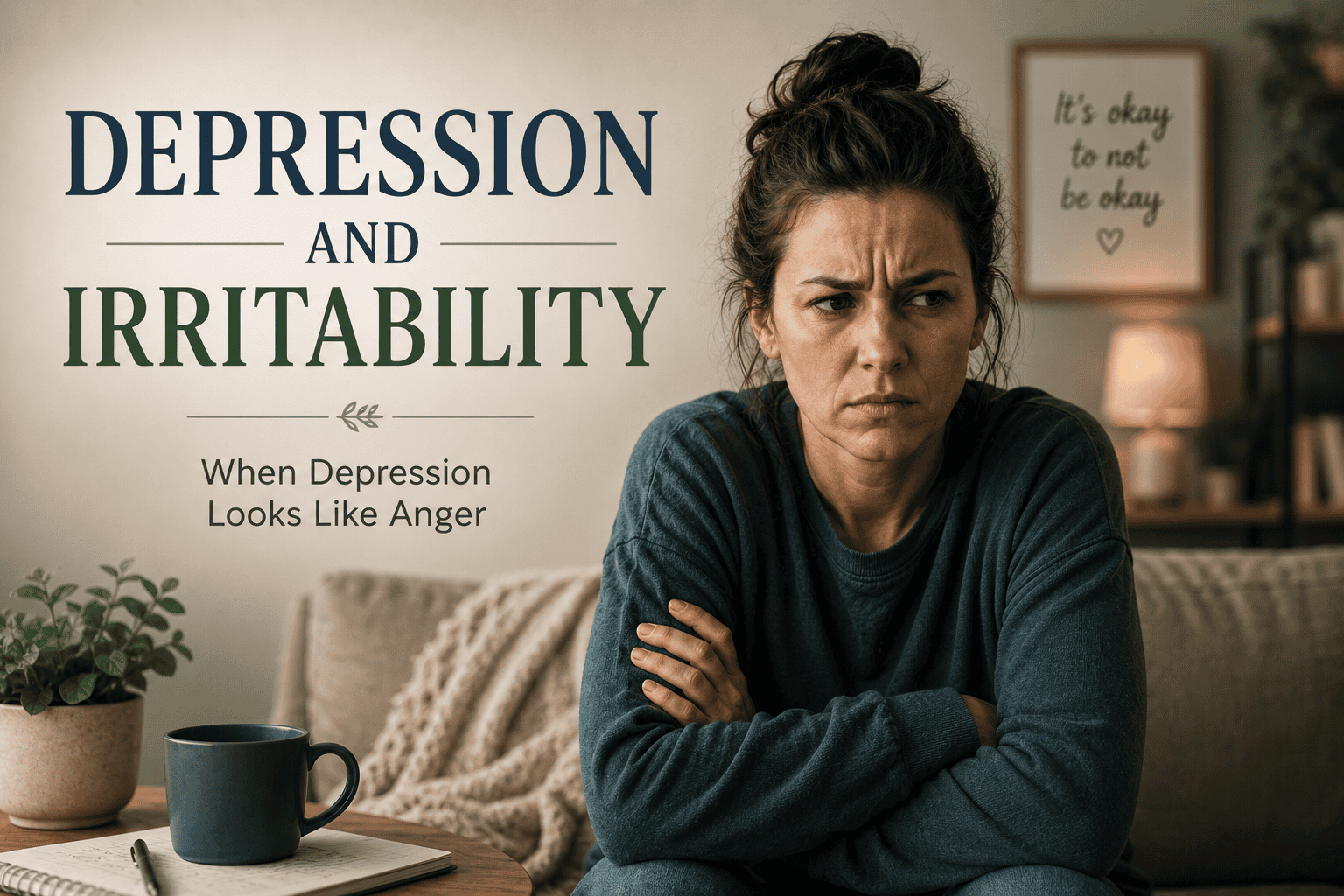
Depression and Irritability: When Depression Looks Like Anger

Depression does not always look like sadness. It may also appear as frustration, anger, impatience, emotional reactivity, withdrawal, or feeling constantly on edge. This guide explains why depression can cause irritability and when counseling may help.

Start Here

Depression Can Show Up as Irritability, Not Just Sadness

Many people expect depression to look like crying, sadness, or staying in bed. While depression can look that way, it can also show up as irritability, anger, frustration, impatience, emotional shutdown, or a short fuse. Some people feel less sad than they do tense, reactive, exhausted, or easily overwhelmed.

Depression-related irritability can be confusing because it may look like a personality problem, relationship issue, stress reaction, or anger problem. Underneath the irritability, however, there may be emotional pain, fatigue, hopelessness, shame, anxiety, grief, trauma, burnout, or a nervous system that has very little capacity left.

What Is Depression-Related Irritability?

Depression-related irritability refers to frustration, anger, impatience, emotional reactivity, sensitivity, or a short temper that occurs alongside depression symptoms such as low mood, exhaustion, loss of interest, emotional numbness, sleep changes, hopelessness, or difficulty functioning.

What It Feels Like

What Depression and Irritability Can Feel Like

Irritability can show up emotionally, physically, mentally, and relationally. Some people feel angry on the outside while privately feeling sad, tired, guilty, or disconnected.

Short Fuse

Small frustrations may feel much bigger than usual, and patience may feel harder to access.

Snapping at Others

You may react sharply, then feel guilty, ashamed, or confused about why it happened.

Low Capacity

Depression can reduce emotional bandwidth, making everyday demands feel harder to tolerate.

Emotional Numbness

Irritability may appear when sadness, hurt, grief, or fear feels too hard to access directly.

Withdrawal

You may pull away from people because interaction feels draining or emotionally unsafe.

Guilt After Reactions

You may feel bad about how you responded but still struggle to stop the pattern from repeating.

Why It Happens

Why Depression Can Cause Irritability

Depression can reduce emotional energy, disrupt sleep, increase stress sensitivity, affect concentration, and make ordinary demands feel overwhelming. When a person is already depleted, small problems may feel like too much. Irritability can become the emotion that surfaces first.

For some people, anger is easier to feel than sadness. Anger may feel more protective, more energizing, or less vulnerable than grief, fear, shame, or helplessness. This does not mean the anger is fake. It means anger may be covering deeper emotional pain.

Depression may increase irritability by contributing to:

  • Low energy and emotional exhaustion
  • Sleep disruption or poor-quality rest
  • Loss of interest or pleasure
  • Feelings of failure, guilt, or shame
  • Hopelessness or feeling trapped
  • Reduced frustration tolerance
  • Stress overload or burnout
  • Difficulty communicating needs clearly

Irritability is often a signal that someone has less emotional capacity available than usual. The goal is not to excuse hurtful behavior, but to understand what is driving the reaction so it can be addressed more effectively.

Anger and Depression

Sometimes Depression Looks Like Anger

Anger may be the most visible part of depression for some people. Instead of saying, “I feel sad,” they may become impatient, critical, defensive, withdrawn, sarcastic, or quick to react. This may be especially true for people who learned to hide vulnerability or who feel uncomfortable expressing sadness.

  • Anger may cover sadness, fear, or shame.
  • Irritability may increase when energy is depleted.
  • Defensiveness may appear when someone feels overwhelmed.
  • Withdrawal may be a way to avoid snapping or collapsing.

Important Reframe

Irritability Does Not Mean You Are a Bad Person

Many people feel ashamed when depression comes out as anger or impatience. Shame can make the cycle worse by increasing self-criticism and emotional withdrawal. Understanding the pattern can create room for accountability and compassion.

  • You can take responsibility without attacking yourself.
  • You can repair relationships after reactive moments.
  • You can learn what your irritability is signaling.
  • You can build healthier ways to express distress.

If anger ever becomes threatening, physically unsafe, or destructive, immediate support and safety planning are important.

Relationships

Depression-Related Irritability Can Affect Relationships

Irritability can create distance in relationships, even when the person does not want to push others away. Partners, children, friends, coworkers, or family members may experience the irritability as criticism, anger, rejection, or disinterest.

The person experiencing depression may also feel misunderstood. They may think, “I am not trying to be difficult,” or “I do not know why everything bothers me.” This can create a cycle of tension, guilt, withdrawal, and more emotional disconnection.

Relationship patterns may include:

  • Snapping during ordinary conversations
  • Feeling easily criticized or misunderstood
  • Withdrawing to avoid conflict
  • Feeling guilty after reacting sharply
  • Having less patience with children, partners, or coworkers
  • Difficulty asking for help before reaching a breaking point

Repair matters. When depression contributes to irritability, therapy can help clients learn how to communicate distress earlier, take responsibility for reactions, and rebuild connection.

Stress and Capacity

Irritability Often Increases When Capacity Is Low

Depression can make life feel heavier. When someone is also managing work stress, parenting stress, caregiving, grief, trauma, relationship conflict, financial strain, or chronic overwhelm, the nervous system may have very little room left for frustration.

This does not mean every stress reaction is depression. But when irritability occurs alongside low mood, exhaustion, loss of interest, emotional numbness, sleep changes, hopelessness, or difficulty functioning, depression may be part of the picture.

Low emotional capacity may show up as:

  • Feeling bothered by noise, interruptions, or small requests
  • Wanting to be left alone more often
  • Feeling overwhelmed by decisions
  • Reacting quickly and regretting it later
  • Feeling tense, restless, or emotionally shut down
  • Feeling unable to explain what is wrong

When irritability is a capacity issue, the solution is usually not simply “try harder to be patient.” It often requires rest, support, emotional processing, stress reduction, and treatment for the underlying depression pattern.

An Educational Framework

The Depression-Irritability Cycle

Depression-related irritability can become self-reinforcing when reactions create guilt, distance, and more emotional stress.

1. Capacity Drops

Depression, stress, poor sleep, or emotional exhaustion reduce patience and resilience.

2. Irritability Rises

Small frustrations feel larger, and reactions happen more quickly than intended.

3. Conflict or Distance Happens

Others may feel criticized, rejected, or confused by the emotional reaction.

4. Guilt Increases

The person may feel ashamed, disappointed, or frustrated with themselves.

5. Withdrawal Grows

To avoid more conflict, the person may isolate, shut down, or stop asking for support.

6. The Pattern Repeats

Depression deepens, support decreases, and irritability becomes more likely again.

Breaking the cycle usually involves addressing both the outward reactions and the underlying depression, stress, exhaustion, or emotional pain driving them.

What Helps

What Can Help Depression-Related Irritability

Irritability often improves when the underlying depression, stress, exhaustion, and emotional overload are addressed. The goal is not to suppress emotion, but to understand it and respond with more choice.

Name the Pattern

Recognizing irritability as part of depression can reduce shame and help identify what support is needed.

Pause Before Reacting

A brief pause can help create space between the emotional surge and the response.

Communicate Earlier

Saying “I am overwhelmed” sooner may reduce the chance of snapping later.

Support Sleep and Rest

Poor sleep can lower frustration tolerance and make depression symptoms harder to manage.

Reduce Self-Criticism

Shame often worsens depression. Accountability works better when paired with compassion.

Address the Root Cause

Therapy can help explore depression, grief, trauma, burnout, anxiety, relationship stress, or overwhelm.

When to Seek Help

When to Seek Counseling for Depression and Irritability

It may be time to seek counseling when irritability, anger, impatience, emotional reactivity, sadness, numbness, or exhaustion begins affecting relationships, work, parenting, sleep, motivation, or your ability to feel like yourself.

Consider counseling if you notice:

  • You feel angry, tense, or irritated much of the time
  • You snap at others and later feel guilty
  • You feel emotionally numb, sad, empty, or disconnected
  • Your patience feels much lower than usual
  • You withdraw to avoid conflict or emotional overload
  • Your relationships are strained by irritability or defensiveness
  • You feel exhausted, hopeless, overwhelmed, or unable to recover
  • You wonder whether your anger may be connected to depression

If depression includes thoughts of death, self-harm, or suicide, seek immediate support. In the United States, call or text 988 for the Suicide & Crisis Lifeline, call 911, or go to the nearest emergency room.

Depression Counseling at Motivations Counseling

Therapy Can Help When Depression Comes Out as Irritability

Motivations Counseling provides depression counseling for adults experiencing irritability, anger, emotional numbness, low motivation, exhaustion, stress, anxiety, grief, trauma-related symptoms, relationship strain, and difficulty feeling like themselves.

Our counseling team serves clients in Sugar Land, Katy, Richmond, Fort Bend County, West Houston, and through telehealth across Texas when clinically appropriate.

Counseling Support

Depression Counseling in Sugar Land, Katy, and Online Across Texas

If depression is showing up as anger, impatience, frustration, or emotional reactivity, counseling can help you understand the pattern and build healthier ways to respond.

  • Individual counseling for depression and irritability
  • Support for anger, frustration, guilt, and emotional reactivity
  • Help with stress, burnout, anxiety, grief, and trauma-related patterns
  • Relationship-focused support when irritability affects connection
  • In-person options in Sugar Land and Katy when available
  • Telehealth counseling across Texas when clinically appropriate
Call or Text: (281) 858-3001

Frequently Asked Questions

Common Questions About Depression and Irritability

Can depression cause irritability?

Yes. Depression can cause irritability, anger, impatience, frustration, emotional reactivity, or a short temper, even when sadness is not the most obvious symptom.

Why does depression make me angry?

Depression can reduce emotional capacity, disrupt sleep, increase stress sensitivity, and create feelings of hopelessness, shame, or overwhelm. Anger may also cover deeper feelings such as sadness, fear, grief, or helplessness.

Is irritability a sign of depression?

Irritability can be a sign of depression, especially when it occurs with low mood, loss of interest, fatigue, sleep changes, emotional numbness, hopelessness, or difficulty functioning.

Can depression look like anger instead of sadness?

Yes. For some people, depression is more visible as anger, defensiveness, impatience, withdrawal, or frustration than sadness or crying.

How does depression-related irritability affect relationships?

Irritability can lead to snapping, conflict, withdrawal, guilt, and emotional distance. Therapy can help clients understand the pattern, communicate distress earlier, and repair relationships.

What helps depression-related irritability?

Helpful steps may include identifying the pattern, improving sleep and rest, reducing stress overload, communicating needs earlier, practicing pauses before reacting, and addressing depression through counseling or other appropriate care.

When should I seek counseling?

Consider counseling when irritability, anger, emotional numbness, sadness, exhaustion, or low motivation persists, affects relationships or daily functioning, or makes you feel unlike yourself.

Should I see a medical provider?

If irritability, mood changes, fatigue, sleep problems, or emotional changes are sudden, severe, worsening, or medically concerning, it may be helpful to consult a medical provider to rule out medical causes and discuss treatment options.

Susan Baker, M.Ed., NCC, LPC-S, Licensed Professional Counselor Supervisor in Texas

Article Author

Written by a Licensed Texas Mental Health Professional

This article was written for Motivations Counseling by Susan Baker, M.Ed., NCC, LPC-S, a Texas Licensed Professional Counselor Supervisor and clinical leader at Motivations Counseling.

Susan Baker, M.Ed., NCC, LPC-S
Texas Licensed Professional Counselor Supervisor
EMDR Therapist & EMDRIA Member
Texas LPC License #73957

Susan Baker is the Clinical Director of Motivations Counseling and provides trauma-informed counseling, EMDR therapy, anxiety treatment, depression counseling, couples counseling, immigration psychological evaluations, and mental health assessment services. Motivations Counseling serves clients from offices in Sugar Land and Katy, Texas, with telehealth services available statewide for Texas residents.

Take the Next Step

Depression Counseling in Sugar Land, Katy, and Online Across Texas

If depression is showing up as anger, impatience, frustration, or emotional reactivity, counseling can help you understand what is happening and begin building healthier ways to respond.

×