
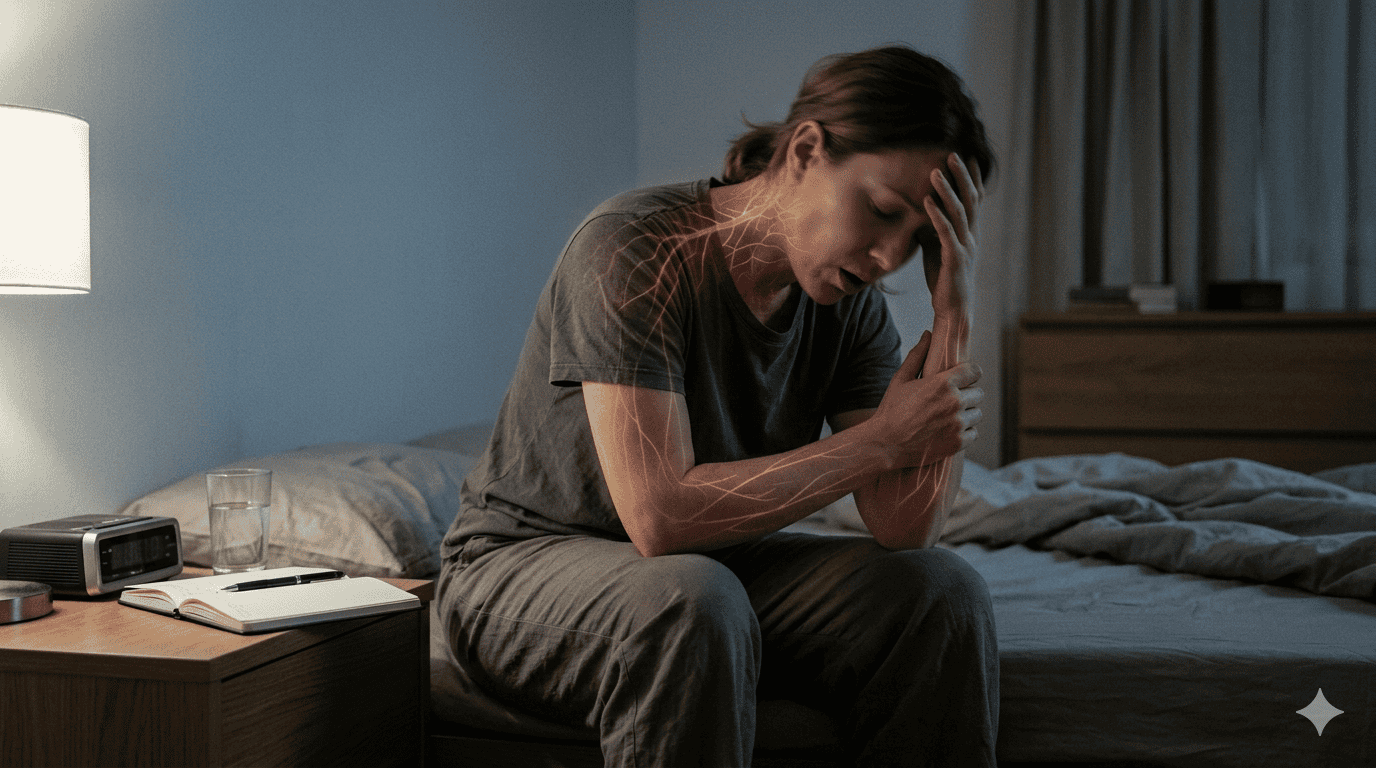
Trauma & Body-Based Symptoms
Trauma & Nervous System Responses
Trauma & Body-Based Symptoms
Trauma can affect both emotional and physical functioning. Many trauma survivors experience body-based symptoms such as sleep disruption, muscle tension, tingling sensations, headaches, fatigue, digestive discomfort, panic sensations, and chronic nervous system activation.
Understanding how trauma affects the body can help reduce confusion, fear, and self-blame. Physical symptoms should be taken seriously, while also recognizing that trauma and chronic stress may keep the nervous system in a prolonged state of activation.
Start Here
Trauma Can Affect the Body’s Alarm System
Trauma does not affect only thoughts and emotions. Trauma can also affect the nervous system, stress-response system, muscles, breathing patterns, sleep, digestion, energy levels, and physical sensations throughout the body.
When the brain perceives danger, the nervous system activates survival responses commonly described as fight, flight, freeze, or shutdown responses. During this process, the body prepares to respond quickly to possible threat.
Heart rate may increase, muscles may tighten, breathing patterns may change, stress hormones may rise, and attention may become highly focused on danger or discomfort. When stress remains chronic or overwhelming, the body may stay in a prolonged state of activation.
Common Body-Based Trauma Symptoms
Trauma-Related Stress Can Show Up Through Real Physical Sensations
Trauma-related body symptoms do not mean the person is “imagining things.” These are real physical experiences that may fluctuate with stress, sleep, trauma reminders, emotional overwhelm, and nervous system activation.
Sleep Disruption
Trauma may contribute to insomnia, frequent waking, nightmares, restless sleep, fatigue, and difficulty feeling physically relaxed.
Chest Tightness or Rapid Heartbeat
Panic activation, fear responses, and stress arousal may create intense body sensations that can feel frightening or difficult to interpret.
Muscle Tension and Tightness
Chronic activation may cause tension in the jaw, neck, shoulders, chest, stomach, back, or other areas of the body.
Tingling, Shaking, or Numbness
Some people notice tingling sensations, trembling, numbness, burning sensations, facial tension, shakiness, or unusual body sensations during stress.
Digestive Discomfort or Nausea
Stress activation can affect digestion, appetite, stomach discomfort, nausea, and other body-based symptoms.
Feeling Physically “On Edge”
Hypervigilance may cause heightened startle responses, scanning for danger, restlessness, body tension, and difficulty calming down.
Sleep and Trauma
Sleep Problems Are Common When the Nervous System Stays Activated
Sleep problems are extremely common after trauma. A person may struggle to fall asleep, wake frequently during the night, experience nightmares, or feel physically unable to relax.
Hypervigilance and nervous system activation can make the body remain alert even during rest. Some trauma survivors describe feeling exhausted but unable to fully “shut off” mentally or physically.
Sleep Disruption May Increase:
- Emotional dysregulation
- Irritability or frustration
- Concentration problems
- Anxiety symptoms
- Physical exhaustion
- Reduced coping capacity
Tingling, Numbness, and Unusual Sensations
Some Trauma Responses Can Feel Very Physical
Some individuals experience tingling sensations, numbness, burning sensations, facial tension, shakiness, or unusual body sensations during periods of anxiety, panic activation, trauma reminders, or chronic stress.
Stress-related breathing changes, muscle tension, nervous system activation, and heightened body awareness may contribute to these experiences.
Physical symptoms should always be taken seriously. Medical evaluation may be appropriate when symptoms are severe, one-sided, sudden, progressive, persistent, or medically concerning.
At the same time, many trauma survivors experience body-based nervous system responses connected to chronic stress and emotional activation.
Muscle Tension and Chronic Stress
Trauma Can Keep the Body Braced for Danger
Chronic stress often causes the body to remain physically tense. Muscles may stay partially activated for long periods of time, especially in the neck, shoulders, jaw, chest, stomach, and back.
Headaches and Pressure
Chronic tension may contribute to headaches, pressure sensations, jaw clenching, neck tightness, and fatigue.
Body Aches and Fatigue
Staying physically tense for long periods may leave the body feeling sore, heavy, drained, or exhausted.
Difficulty Relaxing
Some individuals become so accustomed to tension that they do not recognize how activated the body has become until symptoms worsen.
Trauma and Hypervigilance in the Body
Trauma survivors often describe feeling physically “on guard.” Hypervigilance may cause the body to remain alert for danger, even in relatively safe environments.
Over time, prolonged nervous system activation can become physically exhausting.
Hypervigilance May Include:
- Difficulty relaxing in public places
- Being easily startled
- Monitoring surroundings constantly
- Feeling unsafe without a clear reason
- Difficulty calming down after stress
- Physical tension during conflict or uncertainty
Immigration Evaluations and Trauma Documentation
Body-Based Symptoms May Be Clinically Relevant in Immigration Evaluations
Body-based symptoms may be relevant in immigration psychological evaluations involving trauma exposure, abuse, persecution, chronic fear, victimization, family separation, prolonged uncertainty, or ongoing emotional distress.
Evaluations may explore how symptoms affect sleep, concentration, emotional regulation, work functioning, caregiving responsibilities, relationships, and overall daily stability.
A trauma-informed immigration evaluation carefully documents the interaction between emotional symptoms, nervous system activation, and functional impairment.
Learning Center
Continue Learning About Trauma, Anxiety, and Body-Based Symptoms
These related resources explain physical anxiety symptoms, panic activation, hypervigilance, PTSD symptoms, trauma processing, and nervous system regulation.
Why Anxiety Feels Physical
Understand how anxiety can affect the body through muscle tension, breathing changes, stomach discomfort, fatigue, and other stress responses.
Panic Symptoms Explained
Learn why panic can feel so physical and how nervous system activation may create racing heart, dizziness, fear, or emotional overwhelm.
Hypervigilance & Chronic Fear
Understand why the nervous system may stay alert after trauma and how chronic fear can affect sleep, relationships, and daily functioning.
Understanding PTSD Symptoms
Learn how intrusive memories, avoidance, emotional numbing, hypervigilance, sleep disruption, and body-based stress responses may show up after trauma.
How Trauma Can Affect the Nervous System
Learn how trauma may affect the body’s alarm system, emotional regulation, relationships, concentration, and sense of safety.
Trauma Processing & Memory Networks
Explore how trauma memories, emotions, body sensations, and stress responses can become linked together.
Calm Place & Grounding Techniques
Review grounding and stabilization skills that may help the nervous system feel steadier during anxiety, panic, or trauma activation.
What Is EMDR Therapy?
Learn how EMDR therapy may support trauma processing, emotional regulation, and nervous system stabilization.
2026 Immigration Psychological Evaluation Clinical Findings Report
Review clinical findings, trauma histories, diagnoses, symptom patterns, and functional impairments across immigration evaluations.
Key Takeaways
Body-Based Trauma Symptoms Are Real and Can Affect Daily Functioning
- Trauma can affect both emotional and physical functioning.
- Body-based trauma symptoms may include sleep disruption, tingling sensations, tension, headaches, fatigue, and nervous system activation.
- Chronic stress and hypervigilance can keep the body in a prolonged state of activation.
- Trauma-related physical symptoms are real experiences and may affect daily functioning.
- Trauma-informed support may help improve nervous system regulation and emotional stability.
Start Counseling
Questions About Trauma-Informed Counseling or Immigration Evaluations?
Motivations Counseling provides trauma-informed counseling, EMDR therapy, and immigration psychological evaluations for clients throughout Texas.

