
PTSD Symptoms: How Trauma Affects the Mind and Body
Trauma & PTSD
Understanding PTSD Symptoms
PTSD symptoms can affect the mind, body, emotions, relationships, sleep, concentration, and daily functioning. Understanding common trauma responses can help individuals, families, attorneys, and support systems recognize when trauma may be affecting emotional health.
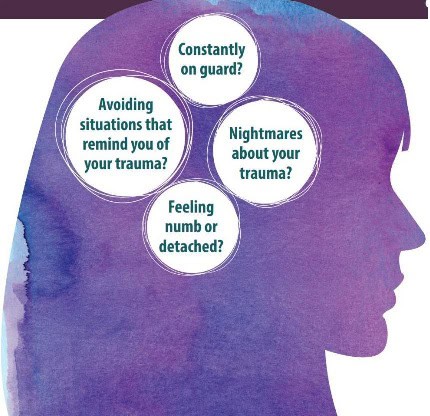
PTSD does not look the same for everyone. Some people experience vivid memories and nightmares, while others feel emotionally numb, detached, anxious, irritable, physically tense, or constantly on guard.
Start Here
What Is PTSD?
Post-traumatic stress disorder, often called PTSD, is a mental health condition that can develop after a person experiences, witnesses, or is exposed to a traumatic event. Trauma may involve actual or threatened death, serious injury, sexual violence, abuse, persecution, domestic violence, crime victimization, sudden loss, or other frightening and overwhelming experiences.
Symptoms may begin soon after the event, or they may become more noticeable later when the person is under stress or reminded of what happened. PTSD symptoms may also fluctuate based on sleep, perceived safety, family stress, legal stress, reminders, anniversaries, or ongoing uncertainty.
Clinically, PTSD symptoms are often understood in several broad areas: intrusive symptoms, avoidance, negative changes in mood and thinking, and changes in arousal or reactivity.
Intrusive Symptoms
Trauma Memories Can Interrupt the Present
Intrusive symptoms occur when the traumatic experience continues to interrupt the person’s present life. These symptoms can feel involuntary, unwanted, and difficult to control.
Unwanted Memories
The person may experience sudden memories, images, or thoughts connected to the traumatic experience.
Nightmares or Distressing Dreams
Trauma-related dreams may disrupt sleep and leave the person feeling anxious, exhausted, or unsafe.
Flashbacks or Re-Experiencing
Some people feel as if the trauma is happening again, even when they are physically in the present.
Physical Reactions to Reminders
Reminders may trigger racing heart, nausea, sweating, shaking, shortness of breath, or panic symptoms.
Emotional Distress
Discussing, remembering, or being reminded of the trauma may create fear, grief, anger, shame, or overwhelm.
Trigger-Related Flares
Symptoms may increase around legal paperwork, court dates, anniversaries, conflict, or trauma reminders.
Avoidance Symptoms
Avoidance Is Often the Nervous System Trying to Prevent Emotional Flooding
Avoidance is one of the most common trauma responses. A person may avoid talking about what happened, thinking about it, going near certain places, interacting with certain people, or engaging in activities that bring up reminders.
Avoidance can be misunderstood by others. Family members may think the person does not care, does not want help, or should be over it. In reality, avoidance is often the nervous system’s attempt to prevent emotional flooding.
Avoidance May Include:
- Avoiding conversations about the trauma
- Avoiding people, places, or situations connected to the event
- Keeping busy to avoid painful memories
- Minimizing what happened
- Changing the subject when painful details come up
- Difficulty completing paperwork or legal declarations because the details feel overwhelming
Mood, Beliefs, and Emotional Numbing
PTSD Can Affect the Way a Person Feels, Connects, and Trusts
PTSD can affect the way a person experiences emotions, relationships, self-worth, and the world around them. Some trauma survivors do not feel constantly upset; instead, they feel emotionally shut down.
Emotional Numbing
A person may feel detached, blank, distant, or unable to experience joy, love, safety, closeness, or hope.
Withdrawal From Relationships
PTSD may make it difficult to feel emotionally present with partners, children, family, or friends.
Negative Beliefs
Trauma may contribute to beliefs such as “I am not safe,” “I cannot trust others,” or “It was my fault.”
Persistent Guilt or Shame
Some trauma survivors experience guilt, shame, anger, sadness, or fear long after the original event.
Loss of Interest
Activities that once felt meaningful may feel flat, exhausting, unimportant, or emotionally unavailable.
“Just Surviving”
Some people describe going through life on autopilot rather than feeling fully present or emotionally connected.
Hypervigilance and Feeling Constantly on Guard
Hypervigilance means the body and mind remain alert for possible danger, even when the person is no longer in the original traumatic situation. This can create a constant sense of tension, scanning, suspicion, or readiness to react.
A trauma survivor may sit near exits, avoid crowds, become distressed by loud noises, or feel uncomfortable when someone stands too close.
Hypervigilance May Include:
- Feeling tense, alert, or on edge
- Being easily startled
- Checking surroundings frequently
- Difficulty relaxing or sleeping
- Irritability or anger outbursts
- Difficulty concentrating
- Feeling unsafe even in familiar environments
Hypervigilance can affect relationships, parenting, work, driving, sleep, and daily decision-making. It is often the nervous system’s attempt to stay prepared after trauma or chronic fear.
Physical Symptoms of PTSD
PTSD Can Affect the Body, Not Just Emotions
Trauma can affect the body. When the nervous system remains activated, a person may experience physical symptoms that feel confusing or frightening.
Chest Tightness or Racing Heart
Trauma reminders, panic activation, or chronic stress may trigger strong cardiovascular sensations.
Muscle Tension and Headaches
The body may remain braced for danger, contributing to tightness, headaches, jaw tension, or body aches.
Stomach Discomfort
Stress activation may affect digestion, appetite, nausea, or overall physical comfort.
Sleep Problems and Fatigue
Nightmares, hypervigilance, restlessness, and stress activation may interfere with restorative sleep.
Shaking, Sweating, or Shortness of Breath
The body may react strongly to reminders through panic-like or fight-or-flight responses.
Feeling Disconnected
Some people feel disconnected from the body, emotions, surroundings, or present moment during trauma activation.
Physical symptoms should always be taken seriously. Medical evaluation may be appropriate when symptoms are new, severe, one-sided, sudden, or concerning. At the same time, many trauma survivors experience body-based stress responses connected to anxiety, panic, or trauma reminders.
Immigration Evaluations and PTSD Documentation
PTSD Symptoms May Be Clinically Relevant in Immigration Psychological Evaluations
PTSD symptoms may be relevant in immigration psychological evaluations when trauma, hardship, fear, family separation, abuse, victimization, persecution, or chronic stress are part of the person’s immigration-related history.
A trauma-informed immigration evaluation may explore how symptoms affect daily functioning, relationships, parenting, work, school, sleep, emotional regulation, decision-making, and the person’s ability to feel safe.
The purpose is not to exaggerate symptoms or reach legal conclusions, but to provide clinically grounded documentation of emotional and psychological impact. PTSD symptoms may be discussed in evaluations involving VAWA, U-Visa, T-Visa, asylum, hardship waivers, cancellation of removal, and other immigration-related matters when clinically relevant.
Learning Center
Continue Learning About PTSD, Trauma, and Nervous System Responses
These related resources explain hypervigilance, emotional numbing, panic symptoms, body-based trauma responses, EMDR therapy, grounding skills, and immigration-related trauma.
Why Trauma Can Keep You Constantly on Guard
Understand why the nervous system may stay alert after trauma and how chronic fear can affect sleep, relationships, and daily functioning.
Why Trauma Can Make You Feel Emotionally Numb
Explore why some trauma survivors feel detached, shut down, distant, or unable to fully experience emotions.
Why Panic Symptoms Feel So Physical
Learn why panic can feel so intense and how nervous system activation may affect the body.
Trauma & Body-Based Symptoms
Review how trauma may show up through body tension, pain, panic sensations, fatigue, and sleep disruption.
Why Anxiety Feels Physical
Understand how anxiety can affect the body through muscle tension, breathing changes, stomach discomfort, and stress responses.
Trauma Processing & Memory Networks
Explore how trauma memories, emotions, body sensations, and stress responses can become linked together.
Calm Place & Grounding Techniques
Review grounding and stabilization skills that may help the nervous system feel steadier during anxiety, panic, or trauma activation.
What Is EMDR Therapy?
Learn how EMDR therapy may support trauma processing, emotional regulation, and nervous system stabilization.
Trauma in Immigration Cases
Learn how trauma histories, chronic fear, family separation, and immigration stress may affect emotional functioning.
2026 Immigration Psychological Evaluation Clinical Findings Report
Review clinical findings, trauma histories, diagnoses, symptom patterns, and functional impairments across immigration evaluations.
Key Takeaways
PTSD Can Affect the Whole Person
- PTSD symptoms can include intrusive memories, avoidance, emotional numbing, hypervigilance, and physical stress responses.
- Trauma symptoms may fluctuate and may become stronger around reminders, legal stress, or family separation.
- Some trauma survivors minimize symptoms or appear emotionally calm because numbing and avoidance can be part of PTSD.
- Trauma-informed immigration evaluations focus on clinical accuracy, emotional impact, and functional impairment without making legal conclusions.
- Trauma-informed support may help improve emotional regulation, nervous system stability, and daily functioning.
Start Counseling
Questions About PTSD, Trauma, or Immigration Evaluations?
Motivations Counseling provides trauma-informed counseling, EMDR therapy, and immigration psychological evaluations for clients throughout Texas.

