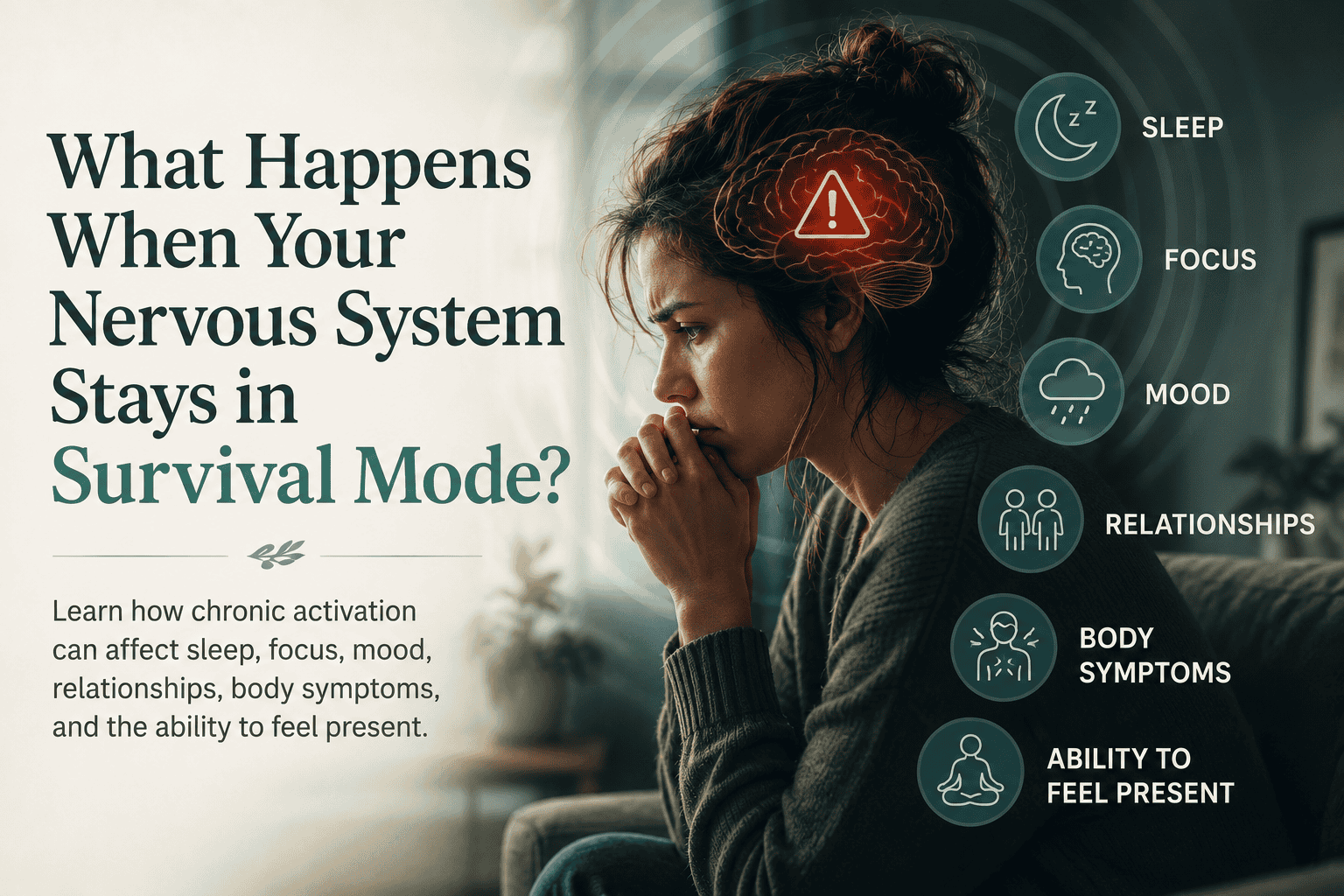
What Happens When Your Nervous System Stays in Survival Mode?
Stress, Trauma & Nervous System Resources
What Happens When Your Nervous System Stays in Survival Mode?
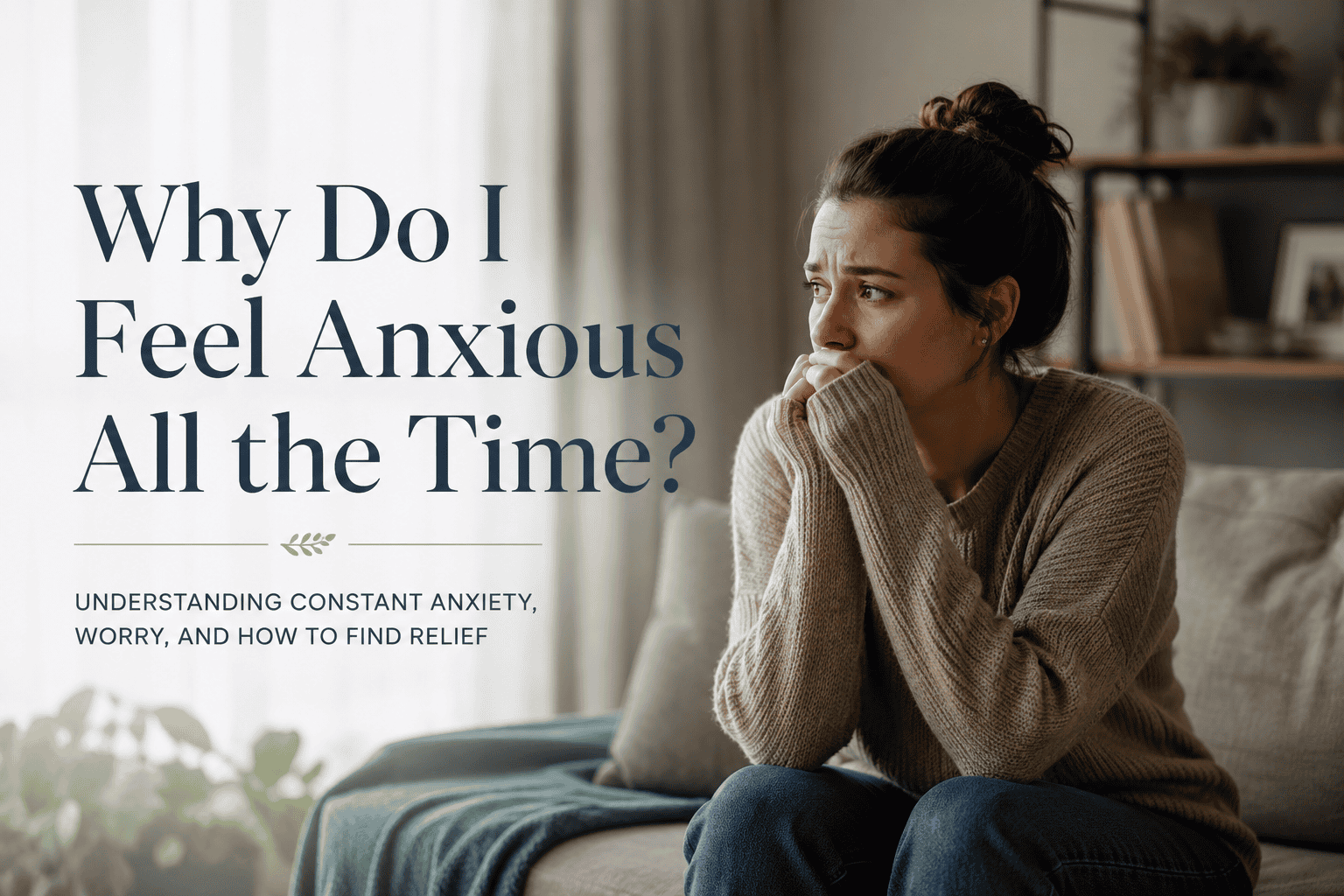
When the body remains prepared for danger long after the immediate stress has passed, chronic activation may affect sleep, concentration, mood, relationships, physical comfort, and the ability to feel fully present in everyday life.
Start Here
Survival Responses Are Designed to Protect You—But They Can Become Exhausting
The nervous system is constantly evaluating what is happening inside and around the body. When something feels threatening, urgent, unpredictable, or overwhelming, the body can shift resources toward protection. Heart rate may increase, muscles may tighten, attention may narrow, digestion may change, and the mind may become more focused on detecting problems.
These responses are useful during an actual emergency. The difficulty begins when the body rarely receives a convincing signal that the danger has ended. A person may continue functioning, working, parenting, caregiving, or managing responsibilities while remaining internally braced for the next problem.
What Does “Survival Mode” Mean?
“Survival mode” is a common, non-diagnostic phrase used to describe a prolonged state of physical and emotional protection. It may involve persistent fight, flight, freeze, shutdown, appeasing, or hypervigilant responses. It does not automatically mean that someone has a trauma disorder, and similar symptoms can also be influenced by anxiety, depression, burnout, grief, sleep loss, health conditions, medication effects, substance use, or ongoing life stress.
Protective Patterns
Survival Mode Does Not Look the Same for Everyone
People often imagine survival mode as visible panic, but chronic activation can appear through agitation, overworking, withdrawal, emotional numbness, people-pleasing, or a mixture of several responses.
Fight
Irritability, anger, defensiveness, arguing, controlling behavior, impatience, or feeling ready to confront a problem immediately.
Flight
Restlessness, overworking, staying constantly busy, excessive planning, leaving situations, or feeling unable to slow down.
Freeze
Difficulty speaking, deciding, moving forward, or taking action even when the person understands what needs to be done.
Shutdown
Emotional numbness, exhaustion, disconnection, sleeping excessively, withdrawing, or feeling as though the body has run out of energy.
Appeasing
Quickly agreeing, apologizing, minimizing personal needs, monitoring other people’s moods, or trying to prevent conflict at any cost.
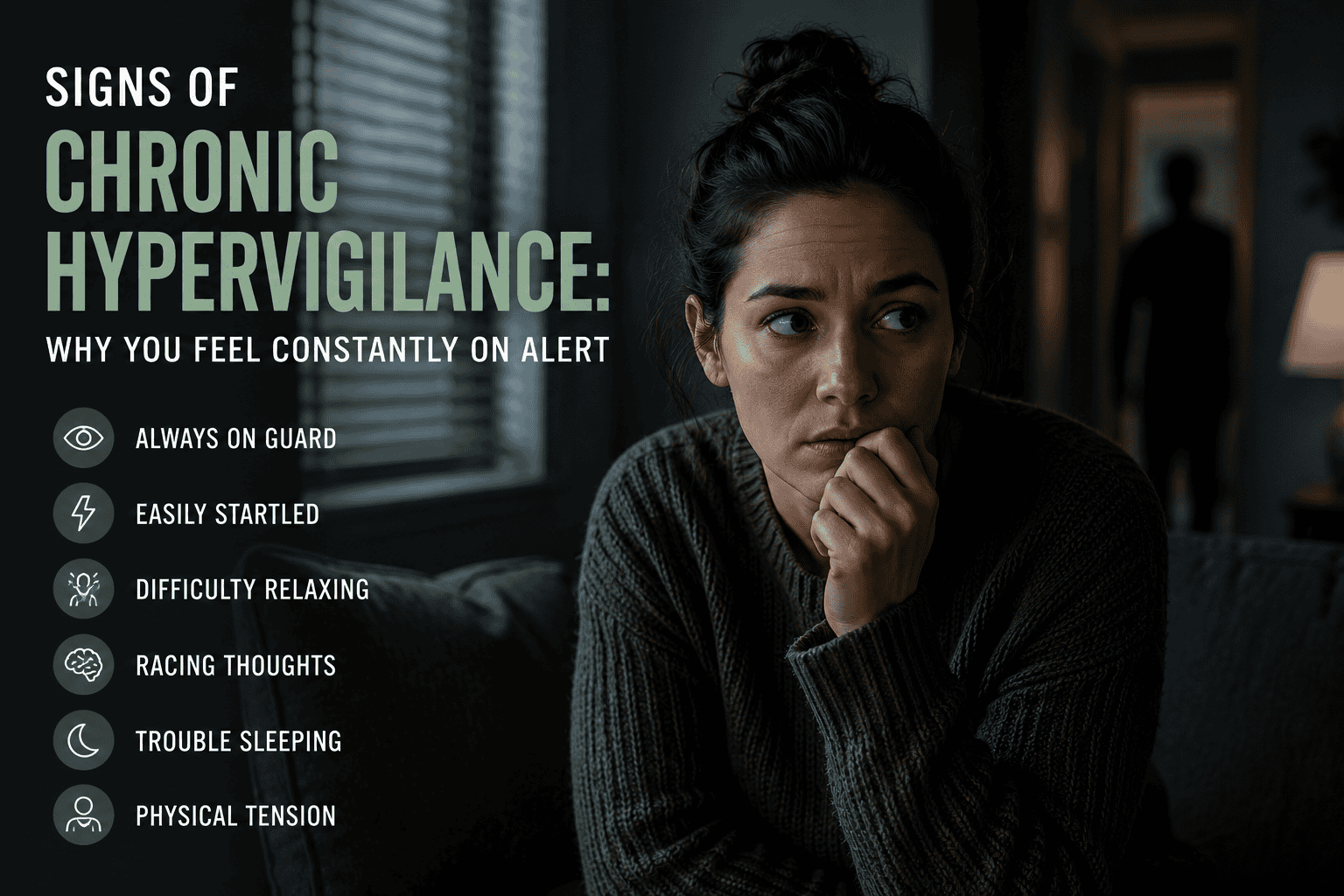
Hypervigilance
Watching for changes in tone, facial expression, messages, noises, physical sensations, or other signs that something may be wrong.
These patterns are not personality flaws. They are attempts to create safety, predictability, distance, control, or connection. A person may shift between responses depending on the situation and how much internal capacity remains available.
Sleep and Restoration
The Body May Struggle to Fully Power Down
Sleep requires the nervous system to reduce vigilance. When the body remains prepared for danger, falling asleep may feel difficult even when a person is exhausted. Others fall asleep quickly but wake repeatedly, awaken too early, experience vivid dreams, clench their jaw, or remain physically tense throughout the night.
Poor sleep then reduces emotional regulation, concentration, pain tolerance, and frustration tolerance the next day. This can create a cycle in which stress disrupts sleep and sleep loss makes ordinary stressors feel more threatening.
Common Sleep Effects
Chronic Activation May Show Up at Night
- Difficulty falling asleep despite feeling tired
- Waking in the middle of the night with a racing mind
- Light or restless sleep and feeling unrefreshed
- Nightmares, stress dreams, or waking in a panic
- Jaw clenching, muscle tension, or morning headaches
- Needing constant sound, scrolling, television, or distraction to settle
Focus, Memory and Decision-Making
Attention May Become Organized Around Threat Instead of Everyday Tasks
A chronically activated nervous system may prioritize information that seems urgent, uncertain, or potentially dangerous. This can make it harder to sustain attention on routine work, read carefully, remember details, follow conversations, organize several steps, or make decisions without becoming mentally overloaded.
Some people describe “brain fog,” but the experience may also feel like racing thoughts, constant mental scanning, blanking out under pressure, or repeatedly checking work because the mind does not feel settled enough to trust itself.
Focus-related changes may include:
- Forgetting why you entered a room or what you were about to say
- Reading the same paragraph several times without absorbing it
- Difficulty prioritizing when several tasks feel equally urgent
- Becoming overwhelmed by emails, messages, paperwork, or decisions
- Making avoidable mistakes when hurried or emotionally activated
- Mentally rehearsing possible problems instead of attending to the present task
Concentration problems are not specific to nervous system activation. They may also be associated with sleep disorders, depression, ADHD, medication effects, substance use, hormonal changes, neurological conditions, and other medical concerns. Persistent or worsening cognitive changes should be discussed with an appropriate healthcare provider.
Mood and Emotional Regulation
Emotions May Feel More Intense—or Harder to Access
When internal resources are being used to stay alert and keep functioning, the nervous system may have less flexibility for frustration, disappointment, uncertainty, or conflict. Some people feel everything intensely. Others become emotionally flat or disconnected.
Irritability
Noise, interruptions, delays, repeated questions, clutter, or small mistakes may feel unusually difficult to tolerate.
Tearfulness
Tears may appear quickly because the current moment is landing on top of accumulated stress, exhaustion, grief, or fear.
Anxiety
The mind may anticipate problems, rehearse conversations, seek reassurance, or struggle to tolerate not knowing what will happen.
Numbness
Feelings may become distant or muted when emotional intensity has exceeded what the system can comfortably process.
Rapid Shifts
A person may move quickly from capable to overwhelmed, calm to angry, or connected to shut down when capacity is low.
Reduced Enjoyment
Rest, play, intimacy, hobbies, or positive experiences may feel inaccessible because the body remains oriented toward responsibility or danger.
Relationships and Communication
Connection Can Feel Both Necessary and Difficult
Supportive relationships can help the nervous system feel safer, yet chronic activation may make closeness harder to tolerate. A person may want reassurance but also feel crowded, misunderstood, criticized, or responsible for managing everyone else’s emotions.
Neutral comments may sound sharper than intended. Delayed replies may feel like rejection. Ordinary disagreements may trigger urgency, defensiveness, withdrawal, or a need to resolve the issue immediately.
Possible Relationship Effects
Protection Can Be Misread as Disinterest or Control
- Becoming defensive before fully hearing the other person
- Withdrawing because conversation feels like too much input
- People-pleasing to prevent anger, disappointment, or abandonment
- Monitoring tone, facial expression, or response time for signs of trouble
- Difficulty asking directly for comfort, space, or practical help
- Feeling guilty for having needs or limits
Understanding the protective pattern does not excuse hurtful behavior. It can, however, make it easier to take responsibility, communicate more clearly, repair conflict, and develop alternatives to reacting automatically.
Physical Effects
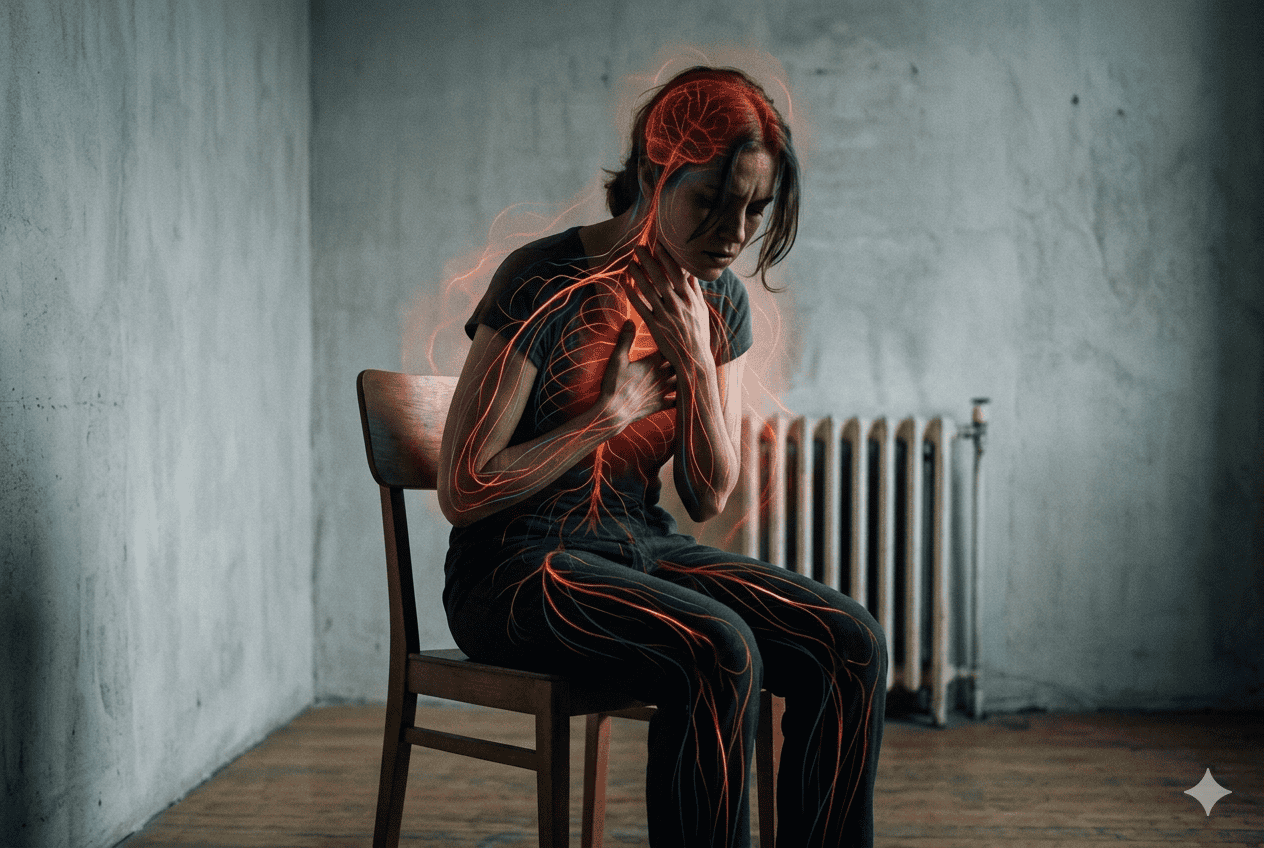
Chronic Stress Can Be Experienced Throughout the Body
Nervous system activation involves the whole body, not only thoughts and emotions. Physical symptoms are real and deserve attention, even when stress appears to be contributing.
Cardiovascular Sensations
A racing or pounding heart, chest tightness, flushing, trembling, or feeling suddenly keyed up.
Breathing Changes
Shallow breathing, frequent sighing, breath-holding, throat tightness, or feeling unable to take a satisfying breath.
Muscle Tension
Tight shoulders, jaw clenching, headaches, back pain, pelvic tension, or waking with sore muscles.
Digestive Changes
Nausea, stomach discomfort, appetite changes, reflux, diarrhea, constipation, or symptoms that worsen under stress.
Fatigue
Feeling tired but wired, crashing after periods of intense functioning, or needing more recovery after ordinary demands.
Sensory Sensitivity
Increased sensitivity to noise, light, touch, crowds, temperature, or multiple conversations occurring at once.
New, severe, persistent, or unexplained physical symptoms should not automatically be attributed to anxiety or trauma. A medical evaluation is important when symptoms could reflect a physical health condition, especially with chest pain, fainting, severe shortness of breath, neurological changes, or other urgent concerns.
Presence and Connection to the Moment
It May Become Difficult to Feel Safe Enough to Be Fully Present
Presence requires enough internal safety to notice what is actually happening rather than constantly preparing for what might happen next. In survival mode, attention may remain pulled toward memories, possible threats, unfinished responsibilities, bodily sensations, or other people’s reactions.
Some people feel detached from themselves, as though they are watching life from a distance or moving through the day automatically. Others remain highly alert but cannot absorb positive experiences. They may recognize that something is enjoyable without being able to feel the enjoyment in their body.
Difficulty feeling present may sound like:
- “I am here, but I do not feel completely here.”
- “I cannot relax because I am waiting for the next problem.”
- “I finish the day and barely remember it.”
- “Even during good moments, part of me is scanning for what could go wrong.”
- “I feel disconnected from my body or emotions.”
- “Rest makes me uncomfortable because I feel as though I should be doing something.”
Experiences of detachment or unreality can occur for several reasons. A qualified mental health professional can help assess whether the experience is related to stress, panic, trauma, depression, dissociation, medication, substance use, sleep deprivation, or another concern.
Why the Pattern May Continue
The Nervous System May Still Be Responding to Current or Learned Danger
Chronic activation is rarely maintained by one factor. Effective support considers both what happened in the past and what remains stressful, unsafe, unpredictable, or unsustainable now.
Ongoing Demands
Caregiving, financial strain, work pressure, legal concerns, discrimination, illness, conflict, or unstable living conditions may keep the body activated.
Unresolved Experiences
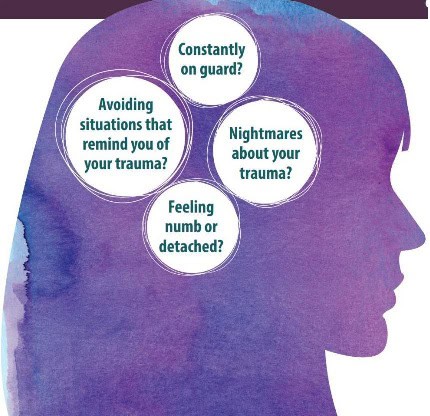
Past trauma, loss, betrayal, neglect, or chronic unpredictability may shape how present-day cues are interpreted.
Depleted Capacity
Sleep loss, pain, illness, poor nutrition, excessive responsibility, or lack of recovery time can lower the threshold for activation.
Avoidance Cycles
Avoiding reminders may bring short-term relief while preventing the nervous system from learning that some situations can now be tolerated safely.
Overfunctioning
Staying useful, productive, prepared, or indispensable may protect against vulnerability while making genuine rest difficult.
Misreading Body Signals
Normal sensations may be interpreted as evidence of danger, which can increase fear and intensify the sensations further.
When Activation Is Happening
Begin by Helping the Body Notice the Present Situation
The goal during activation is not to force the body to become completely calm. Trying to eliminate the response immediately can create more pressure. A more realistic goal is to reduce intensity enough to regain choice, orientation, and the ability to decide what is needed next.
Try a brief sequence:
- Pause: Delay sending the message, making the decision, or continuing the argument when possible.
- Orient: Look around slowly and identify where you are, what day it is, and what is actually happening now.
- Support the body: Place both feet on the floor, lean against a chair, unclench the jaw, or hold something with a clear texture.
- Lengthen the exhale gently: Avoid forcing deep breaths if that increases discomfort. Let the out-breath become slightly slower than the in-breath.
- Reduce input: Step away from noise, screens, conversation, or multitasking when practical.
- Name the next need: Decide whether you need information, space, food, water, movement, reassurance, a boundary, or professional support.
Grounding is not a test of whether you can calm down correctly. Some techniques help one person and irritate another. It is appropriate to stop a strategy that increases panic, dizziness, dissociation, pain, or frustration and try a different form of support.
Longer-Term Recovery
Recovery Usually Involves More Than Learning to Calm Down
Regulation skills can be helpful, but lasting change may also require reducing current stress, processing unresolved experiences, strengthening boundaries, improving sleep, receiving medical care, and developing relationships in which safety and support are more consistent.
Recognize the Pattern
Notice triggers, early body signals, thoughts, protective urges, and what helps the system return toward balance.
Increase Actual Safety
Address ongoing danger, coercion, overwork, instability, conflict, or demands that cannot be regulated away through coping skills alone.
Restore Capacity
Support sleep, nutrition, movement, medical care, sensory breaks, recovery time, and realistic limits on responsibilities.
Practice Co-Regulation
Spend time with trustworthy people who can remain steady, respectful, and responsive without demanding immediate emotional change.
Build Flexible Responses
Practice pausing, setting boundaries, tolerating uncertainty, asking for help, and choosing actions rather than reacting automatically.
Process Root Experiences
When clinically appropriate, therapy can address unresolved trauma, grief, shame, fear, relationship injuries, or beliefs that continue signaling danger.
Progress may first appear as noticing activation sooner, recovering more quickly, tolerating rest for a little longer, communicating a need more directly, or staying connected during a manageable disagreement. The goal is greater flexibility—not remaining calm at all times.
Therapy Support
Counseling Can Help Connect Symptoms With Their Context
A therapist can help assess when activation occurs, what the person is protecting against, how symptoms affect functioning, and whether trauma, anxiety, depression, grief, burnout, relationship stress, or another concern may be involved.
Treatment may include education about stress responses, grounding and regulation skills, cognitive and behavioral strategies, boundary work, emotional processing, relationship repair, and trauma-focused treatment when appropriate.
Medical and Psychiatric Support
Similar Symptoms Can Have More Than One Cause
A physician or other qualified healthcare professional may need to evaluate symptoms involving sleep, heart rate, breathing, pain, digestion, hormones, medication effects, substance use, neurological changes, or significant fatigue.
- Seek urgent care for symptoms that may represent a medical emergency.
- Discuss persistent sleep or physical symptoms with a medical provider.
- Consider psychiatric consultation when symptoms are severe or medication may be helpful.
- Coordinate care when mental and physical health concerns overlap.
Counseling at Motivations Counseling
Trauma-Informed Counseling Can Support Nervous System Recovery
Motivations Counseling provides therapy for adults experiencing chronic stress, anxiety, trauma-related symptoms, emotional overwhelm, irritability, shutdown, sleep disruption, relationship strain, burnout, and difficulty feeling calm or present.
Our counseling team serves clients in Sugar Land, Katy, Richmond, Fort Bend County, West Houston, and through telehealth across Texas when clinically appropriate.
Counseling Support
Counseling in Sugar Land, Katy, and Online Across Texas
Therapy can help you understand what keeps your system activated, strengthen practical regulation skills, address the stressors that continue affecting you, and gradually increase your ability to rest, connect, focus, and feel present.
- Individual counseling for anxiety, chronic stress, burnout, and emotional overwhelm
- Trauma-informed therapy focused on safety, stabilization, and increased flexibility
- EMDR therapy when clinically appropriate
- Support for shutdown, hypervigilance, irritability, people-pleasing, and relationship strain
- In-person options in Sugar Land and Katy when available
- Telehealth counseling across Texas when clinically appropriate
Therapy Learning Center
Continue Learning About Stress, Emotional Overwhelm, and Mental Health
These related resources can help you understand emotional overload, depression, exhaustion, numbness, trauma-informed counseling, and practical support options.
Why Do I Get Emotionally Overwhelmed So Easily?
Explore why small stressors may feel intense when the nervous system is overloaded, depleted, or carrying unresolved stress.
Read article →Counseling Services
View counseling options for anxiety, trauma, depression, relationships, teens, and emotional well-being.
View services →How Therapy Helps Depression
Learn how counseling may support coping, emotional connection, daily functioning, self-understanding, and realistic next steps.
Read article →Why Do I Feel Numb Instead of Sad?
Learn why stress, burnout, trauma, or depression may make emotions difficult to access.
Read article →Can Depression Feel Like Exhaustion?
Understand how depression may influence energy, sleep, motivation, concentration, and physical functioning.
Read article →Counseling Resource Center
Explore educational resources on anxiety, depression, trauma, relationships, EMDR therapy, and emotional health.
Explore resources →Full Resource Center
Explore the Full Counseling Resource Center
Our Counseling Resource Center includes educational articles on anxiety, trauma, depression, relationships, emotional overwhelm, nervous system responses, EMDR therapy, teen counseling, and practical ways to understand mental health symptoms.
Frequently Asked Questions
Common Questions About Nervous System Survival Mode
What does it mean for the nervous system to be in survival mode?
Survival mode is a common phrase for a prolonged protective state in which the body and mind remain prepared for danger, urgency, conflict, or overwhelm. It may involve fight, flight, freeze, shutdown, appeasing, or hypervigilance. It is not a formal diagnosis by itself.
How do I know whether my nervous system is chronically activated?
Possible signs include difficulty relaxing, disrupted sleep, irritability, racing thoughts, muscle tension, digestive symptoms, feeling constantly responsible, scanning for problems, emotional numbness, or becoming overwhelmed by ordinary demands. A professional evaluation can help determine what else may be contributing.
Can survival mode make me feel exhausted?
Yes. Remaining physically or mentally prepared for threat requires energy. A person may feel tired but unable to rest, function intensely for a period and then crash, or experience persistent fatigue. Medical causes of fatigue should also be considered.
Why can I not sleep when I am exhausted?
Sleep requires the body to reduce vigilance. Chronic stress may keep thoughts, muscles, breathing, and attention activated even when energy is low. Sleep difficulties can also have medical, psychiatric, medication-related, or behavioral causes that may require assessment.
Can survival mode affect memory and concentration?
Chronic stress can make it harder to sustain attention, organize tasks, remember details, and make decisions because attention is repeatedly pulled toward urgency or possible danger. Persistent cognitive changes should be discussed with a qualified provider.
Why do I become irritated by noise, interruptions, or small problems?
When capacity is already low, additional input may feel more intense. Irritability can be a sign that the system has limited room for more stimulation, uncertainty, or demand. It can also occur with sleep loss, depression, anxiety, pain, medication effects, and other concerns.
Can trauma keep the nervous system in survival mode?
Trauma may contribute when current cues resemble earlier danger or when the body has not yet learned that the situation has changed. However, chronic activation can also occur without a trauma disorder and may be related to current stress, burnout, anxiety, grief, illness, or other factors.
How do I get my nervous system out of survival mode?
There is rarely one technique that changes a chronic pattern. Helpful steps may include increasing actual safety, reducing unsustainable demands, improving sleep and physical care, practicing grounding and regulation, strengthening boundaries and support, receiving medical care, and addressing unresolved experiences in therapy when appropriate.
Can therapy help with chronic nervous system activation?
Therapy may help identify triggers and protective patterns, build regulation skills, improve communication and boundaries, address anxiety or depression, and process trauma or loss when clinically appropriate. Treatment should be individualized to the person’s symptoms, history, needs, and current safety.
When should I seek immediate help?
Seek immediate help when there may be a life-threatening medical emergency, a person cannot remain safe, or there are thoughts of suicide or serious self-harm. In the United States, call 911 for an emergency, call or text 988 for the Suicide & Crisis Lifeline, or go to the nearest emergency room.

Take the Next Step
Trauma-Informed Counseling in Sugar Land, Katy, and Online Across Texas
If chronic stress is affecting your sleep, focus, emotions, relationships, physical well-being, or ability to feel present, counseling can help you understand the pattern and begin building a more flexible sense of safety.
Stress, Trauma & Nervous System Resources
What Happens When Your Nervous System Stays in Survival Mode?
When the body remains prepared for danger long after the immediate stress has passed, chronic activation may affect sleep, concentration, mood, relationships, physical comfort, and the ability to feel fully present in everyday life.
Start Here
Survival Responses Are Designed to Protect You—But They Can Become Exhausting
The nervous system is constantly evaluating what is happening inside and around the body. When something feels threatening, urgent, unpredictable, or overwhelming, the body can shift resources toward protection. Heart rate may increase, muscles may tighten, attention may narrow, digestion may change, and the mind may become more focused on detecting problems.
These responses are useful during an actual emergency. The difficulty begins when the body rarely receives a convincing signal that the danger has ended. A person may continue functioning, working, parenting, caregiving, or managing responsibilities while remaining internally braced for the next problem.
What Does “Survival Mode” Mean?
“Survival mode” is a common, non-diagnostic phrase used to describe a prolonged state of physical and emotional protection. It may involve persistent fight, flight, freeze, shutdown, appeasing, or hypervigilant responses. It does not automatically mean that someone has a trauma disorder, and similar symptoms can also be influenced by anxiety, depression, burnout, grief, sleep loss, health conditions, medication effects, substance use, or ongoing life stress.
Protective Patterns
Survival Mode Does Not Look the Same for Everyone
People often imagine survival mode as visible panic, but chronic activation can appear through agitation, overworking, withdrawal, emotional numbness, people-pleasing, or a mixture of several responses.
Fight
Irritability, anger, defensiveness, arguing, controlling behavior, impatience, or feeling ready to confront a problem immediately.
Flight
Restlessness, overworking, staying constantly busy, excessive planning, leaving situations, or feeling unable to slow down.
Freeze
Difficulty speaking, deciding, moving forward, or taking action even when the person understands what needs to be done.
Shutdown
Emotional numbness, exhaustion, disconnection, sleeping excessively, withdrawing, or feeling as though the body has run out of energy.
Appeasing
Quickly agreeing, apologizing, minimizing personal needs, monitoring other people’s moods, or trying to prevent conflict at any cost.
Hypervigilance
Watching for changes in tone, facial expression, messages, noises, physical sensations, or other signs that something may be wrong.
These patterns are not personality flaws. They are attempts to create safety, predictability, distance, control, or connection. A person may shift between responses depending on the situation and how much internal capacity remains available.
Sleep and Restoration
The Body May Struggle to Fully Power Down
Sleep requires the nervous system to reduce vigilance. When the body remains prepared for danger, falling asleep may feel difficult even when a person is exhausted. Others fall asleep quickly but wake repeatedly, awaken too early, experience vivid dreams, clench their jaw, or remain physically tense throughout the night.
Poor sleep then reduces emotional regulation, concentration, pain tolerance, and frustration tolerance the next day. This can create a cycle in which stress disrupts sleep and sleep loss makes ordinary stressors feel more threatening.
Common Sleep Effects
Chronic Activation May Show Up at Night
- Difficulty falling asleep despite feeling tired
- Waking in the middle of the night with a racing mind
- Light or restless sleep and feeling unrefreshed
- Nightmares, stress dreams, or waking in a panic
- Jaw clenching, muscle tension, or morning headaches
- Needing constant sound, scrolling, television, or distraction to settle
Focus, Memory and Decision-Making
Attention May Become Organized Around Threat Instead of Everyday Tasks
A chronically activated nervous system may prioritize information that seems urgent, uncertain, or potentially dangerous. This can make it harder to sustain attention on routine work, read carefully, remember details, follow conversations, organize several steps, or make decisions without becoming mentally overloaded.
Some people describe “brain fog,” but the experience may also feel like racing thoughts, constant mental scanning, blanking out under pressure, or repeatedly checking work because the mind does not feel settled enough to trust itself.
Focus-related changes may include:
- Forgetting why you entered a room or what you were about to say
- Reading the same paragraph several times without absorbing it
- Difficulty prioritizing when several tasks feel equally urgent
- Becoming overwhelmed by emails, messages, paperwork, or decisions
- Making avoidable mistakes when hurried or emotionally activated
- Mentally rehearsing possible problems instead of attending to the present task
Concentration problems are not specific to nervous system activation. They may also be associated with sleep disorders, depression, ADHD, medication effects, substance use, hormonal changes, neurological conditions, and other medical concerns. Persistent or worsening cognitive changes should be discussed with an appropriate healthcare provider.
Mood and Emotional Regulation
Emotions May Feel More Intense—or Harder to Access
When internal resources are being used to stay alert and keep functioning, the nervous system may have less flexibility for frustration, disappointment, uncertainty, or conflict. Some people feel everything intensely. Others become emotionally flat or disconnected.
Irritability
Noise, interruptions, delays, repeated questions, clutter, or small mistakes may feel unusually difficult to tolerate.
Tearfulness
Tears may appear quickly because the current moment is landing on top of accumulated stress, exhaustion, grief, or fear.
Anxiety
The mind may anticipate problems, rehearse conversations, seek reassurance, or struggle to tolerate not knowing what will happen.
Numbness
Feelings may become distant or muted when emotional intensity has exceeded what the system can comfortably process.
Rapid Shifts
A person may move quickly from capable to overwhelmed, calm to angry, or connected to shut down when capacity is low.
Reduced Enjoyment
Rest, play, intimacy, hobbies, or positive experiences may feel inaccessible because the body remains oriented toward responsibility or danger.
Relationships and Communication
Connection Can Feel Both Necessary and Difficult
Supportive relationships can help the nervous system feel safer, yet chronic activation may make closeness harder to tolerate. A person may want reassurance but also feel crowded, misunderstood, criticized, or responsible for managing everyone else’s emotions.
Neutral comments may sound sharper than intended. Delayed replies may feel like rejection. Ordinary disagreements may trigger urgency, defensiveness, withdrawal, or a need to resolve the issue immediately.
Possible Relationship Effects
Protection Can Be Misread as Disinterest or Control
- Becoming defensive before fully hearing the other person
- Withdrawing because conversation feels like too much input
- People-pleasing to prevent anger, disappointment, or abandonment
- Monitoring tone, facial expression, or response time for signs of trouble
- Difficulty asking directly for comfort, space, or practical help
- Feeling guilty for having needs or limits
Understanding the protective pattern does not excuse hurtful behavior. It can, however, make it easier to take responsibility, communicate more clearly, repair conflict, and develop alternatives to reacting automatically.
Physical Effects
Chronic Stress Can Be Experienced Throughout the Body
Nervous system activation involves the whole body, not only thoughts and emotions. Physical symptoms are real and deserve attention, even when stress appears to be contributing.
Cardiovascular Sensations
A racing or pounding heart, chest tightness, flushing, trembling, or feeling suddenly keyed up.
Breathing Changes
Shallow breathing, frequent sighing, breath-holding, throat tightness, or feeling unable to take a satisfying breath.
Muscle Tension
Tight shoulders, jaw clenching, headaches, back pain, pelvic tension, or waking with sore muscles.
Digestive Changes
Nausea, stomach discomfort, appetite changes, reflux, diarrhea, constipation, or symptoms that worsen under stress.
Fatigue
Feeling tired but wired, crashing after periods of intense functioning, or needing more recovery after ordinary demands.
Sensory Sensitivity
Increased sensitivity to noise, light, touch, crowds, temperature, or multiple conversations occurring at once.
New, severe, persistent, or unexplained physical symptoms should not automatically be attributed to anxiety or trauma. A medical evaluation is important when symptoms could reflect a physical health condition, especially with chest pain, fainting, severe shortness of breath, neurological changes, or other urgent concerns.
Presence and Connection to the Moment
It May Become Difficult to Feel Safe Enough to Be Fully Present
Presence requires enough internal safety to notice what is actually happening rather than constantly preparing for what might happen next. In survival mode, attention may remain pulled toward memories, possible threats, unfinished responsibilities, bodily sensations, or other people’s reactions.
Some people feel detached from themselves, as though they are watching life from a distance or moving through the day automatically. Others remain highly alert but cannot absorb positive experiences. They may recognize that something is enjoyable without being able to feel the enjoyment in their body.
Difficulty feeling present may sound like:
- “I am here, but I do not feel completely here.”
- “I cannot relax because I am waiting for the next problem.”
- “I finish the day and barely remember it.”
- “Even during good moments, part of me is scanning for what could go wrong.”
- “I feel disconnected from my body or emotions.”
- “Rest makes me uncomfortable because I feel as though I should be doing something.”
Experiences of detachment or unreality can occur for several reasons. A qualified mental health professional can help assess whether the experience is related to stress, panic, trauma, depression, dissociation, medication, substance use, sleep deprivation, or another concern.
Why the Pattern May Continue
The Nervous System May Still Be Responding to Current or Learned Danger
Chronic activation is rarely maintained by one factor. Effective support considers both what happened in the past and what remains stressful, unsafe, unpredictable, or unsustainable now.
Ongoing Demands
Caregiving, financial strain, work pressure, legal concerns, discrimination, illness, conflict, or unstable living conditions may keep the body activated.
Unresolved Experiences
Past trauma, loss, betrayal, neglect, or chronic unpredictability may shape how present-day cues are interpreted.
Depleted Capacity
Sleep loss, pain, illness, poor nutrition, excessive responsibility, or lack of recovery time can lower the threshold for activation.
Avoidance Cycles
Avoiding reminders may bring short-term relief while preventing the nervous system from learning that some situations can now be tolerated safely.
Overfunctioning
Staying useful, productive, prepared, or indispensable may protect against vulnerability while making genuine rest difficult.
Misreading Body Signals
Normal sensations may be interpreted as evidence of danger, which can increase fear and intensify the sensations further.
When Activation Is Happening
Begin by Helping the Body Notice the Present Situation
The goal during activation is not to force the body to become completely calm. Trying to eliminate the response immediately can create more pressure. A more realistic goal is to reduce intensity enough to regain choice, orientation, and the ability to decide what is needed next.
Try a brief sequence:
- Pause: Delay sending the message, making the decision, or continuing the argument when possible.
- Orient: Look around slowly and identify where you are, what day it is, and what is actually happening now.
- Support the body: Place both feet on the floor, lean against a chair, unclench the jaw, or hold something with a clear texture.
- Lengthen the exhale gently: Avoid forcing deep breaths if that increases discomfort. Let the out-breath become slightly slower than the in-breath.
- Reduce input: Step away from noise, screens, conversation, or multitasking when practical.
- Name the next need: Decide whether you need information, space, food, water, movement, reassurance, a boundary, or professional support.
Grounding is not a test of whether you can calm down correctly. Some techniques help one person and irritate another. It is appropriate to stop a strategy that increases panic, dizziness, dissociation, pain, or frustration and try a different form of support.
Longer-Term Recovery
Recovery Usually Involves More Than Learning to Calm Down
Regulation skills can be helpful, but lasting change may also require reducing current stress, processing unresolved experiences, strengthening boundaries, improving sleep, receiving medical care, and developing relationships in which safety and support are more consistent.
Recognize the Pattern
Notice triggers, early body signals, thoughts, protective urges, and what helps the system return toward balance.
Increase Actual Safety
Address ongoing danger, coercion, overwork, instability, conflict, or demands that cannot be regulated away through coping skills alone.
Restore Capacity
Support sleep, nutrition, movement, medical care, sensory breaks, recovery time, and realistic limits on responsibilities.
Practice Co-Regulation
Spend time with trustworthy people who can remain steady, respectful, and responsive without demanding immediate emotional change.
Build Flexible Responses
Practice pausing, setting boundaries, tolerating uncertainty, asking for help, and choosing actions rather than reacting automatically.
Process Root Experiences
When clinically appropriate, therapy can address unresolved trauma, grief, shame, fear, relationship injuries, or beliefs that continue signaling danger.
Progress may first appear as noticing activation sooner, recovering more quickly, tolerating rest for a little longer, communicating a need more directly, or staying connected during a manageable disagreement. The goal is greater flexibility—not remaining calm at all times.
Therapy Support
Counseling Can Help Connect Symptoms With Their Context
A therapist can help assess when activation occurs, what the person is protecting against, how symptoms affect functioning, and whether trauma, anxiety, depression, grief, burnout, relationship stress, or another concern may be involved.
Treatment may include education about stress responses, grounding and regulation skills, cognitive and behavioral strategies, boundary work, emotional processing, relationship repair, and trauma-focused treatment when appropriate.
Medical and Psychiatric Support
Similar Symptoms Can Have More Than One Cause
A physician or other qualified healthcare professional may need to evaluate symptoms involving sleep, heart rate, breathing, pain, digestion, hormones, medication effects, substance use, neurological changes, or significant fatigue.
- Seek urgent care for symptoms that may represent a medical emergency.
- Discuss persistent sleep or physical symptoms with a medical provider.
- Consider psychiatric consultation when symptoms are severe or medication may be helpful.
- Coordinate care when mental and physical health concerns overlap.
Counseling at Motivations Counseling
Trauma-Informed Counseling Can Support Nervous System Recovery
Motivations Counseling provides therapy for adults experiencing chronic stress, anxiety, trauma-related symptoms, emotional overwhelm, irritability, shutdown, sleep disruption, relationship strain, burnout, and difficulty feeling calm or present.
Our counseling team serves clients in Sugar Land, Katy, Richmond, Fort Bend County, West Houston, and through telehealth across Texas when clinically appropriate.
Counseling Support
Counseling in Sugar Land, Katy, and Online Across Texas
Therapy can help you understand what keeps your system activated, strengthen practical regulation skills, address the stressors that continue affecting you, and gradually increase your ability to rest, connect, focus, and feel present.
- Individual counseling for anxiety, chronic stress, burnout, and emotional overwhelm
- Trauma-informed therapy focused on safety, stabilization, and increased flexibility
- EMDR therapy when clinically appropriate
- Support for shutdown, hypervigilance, irritability, people-pleasing, and relationship strain
- In-person options in Sugar Land and Katy when available
- Telehealth counseling across Texas when clinically appropriate
Therapy Learning Center
Continue Learning About Stress, Emotional Overwhelm, and Mental Health
These related resources can help you understand emotional overload, depression, exhaustion, numbness, trauma-informed counseling, and practical support options.
Why Do I Get Emotionally Overwhelmed So Easily?
Explore why small stressors may feel intense when the nervous system is overloaded, depleted, or carrying unresolved stress.
Read article →Counseling Services
View counseling options for anxiety, trauma, depression, relationships, teens, and emotional well-being.
View services →How Therapy Helps Depression
Learn how counseling may support coping, emotional connection, daily functioning, self-understanding, and realistic next steps.
Read article →Why Do I Feel Numb Instead of Sad?
Learn why stress, burnout, trauma, or depression may make emotions difficult to access.
Read article →Can Depression Feel Like Exhaustion?
Understand how depression may influence energy, sleep, motivation, concentration, and physical functioning.
Read article →Counseling Resource Center
Explore educational resources on anxiety, depression, trauma, relationships, EMDR therapy, and emotional health.
Explore resources →Full Resource Center
Explore the Full Counseling Resource Center
Our Counseling Resource Center includes educational articles on anxiety, trauma, depression, relationships, emotional overwhelm, nervous system responses, EMDR therapy, teen counseling, and practical ways to understand mental health symptoms.
Frequently Asked Questions
Common Questions About Nervous System Survival Mode
What does it mean for the nervous system to be in survival mode?
Survival mode is a common phrase for a prolonged protective state in which the body and mind remain prepared for danger, urgency, conflict, or overwhelm. It may involve fight, flight, freeze, shutdown, appeasing, or hypervigilance. It is not a formal diagnosis by itself.
How do I know whether my nervous system is chronically activated?
Possible signs include difficulty relaxing, disrupted sleep, irritability, racing thoughts, muscle tension, digestive symptoms, feeling constantly responsible, scanning for problems, emotional numbness, or becoming overwhelmed by ordinary demands. A professional evaluation can help determine what else may be contributing.
Can survival mode make me feel exhausted?
Yes. Remaining physically or mentally prepared for threat requires energy. A person may feel tired but unable to rest, function intensely for a period and then crash, or experience persistent fatigue. Medical causes of fatigue should also be considered.
Why can I not sleep when I am exhausted?
Sleep requires the body to reduce vigilance. Chronic stress may keep thoughts, muscles, breathing, and attention activated even when energy is low. Sleep difficulties can also have medical, psychiatric, medication-related, or behavioral causes that may require assessment.
Can survival mode affect memory and concentration?
Chronic stress can make it harder to sustain attention, organize tasks, remember details, and make decisions because attention is repeatedly pulled toward urgency or possible danger. Persistent cognitive changes should be discussed with a qualified provider.
Why do I become irritated by noise, interruptions, or small problems?
When capacity is already low, additional input may feel more intense. Irritability can be a sign that the system has limited room for more stimulation, uncertainty, or demand. It can also occur with sleep loss, depression, anxiety, pain, medication effects, and other concerns.
Can trauma keep the nervous system in survival mode?
Trauma may contribute when current cues resemble earlier danger or when the body has not yet learned that the situation has changed. However, chronic activation can also occur without a trauma disorder and may be related to current stress, burnout, anxiety, grief, illness, or other factors.
How do I get my nervous system out of survival mode?
There is rarely one technique that changes a chronic pattern. Helpful steps may include increasing actual safety, reducing unsustainable demands, improving sleep and physical care, practicing grounding and regulation, strengthening boundaries and support, receiving medical care, and addressing unresolved experiences in therapy when appropriate.
Can therapy help with chronic nervous system activation?
Therapy may help identify triggers and protective patterns, build regulation skills, improve communication and boundaries, address anxiety or depression, and process trauma or loss when clinically appropriate. Treatment should be individualized to the person’s symptoms, history, needs, and current safety.
When should I seek immediate help?
Seek immediate help when there may be a life-threatening medical emergency, a person cannot remain safe, or there are thoughts of suicide or serious self-harm. In the United States, call 911 for an emergency, call or text 988 for the Suicide & Crisis Lifeline, or go to the nearest emergency room.
Take the Next Step
Trauma-Informed Counseling in Sugar Land, Katy, and Online Across Texas
If chronic stress is affecting your sleep, focus, emotions, relationships, physical well-being, or ability to feel present, counseling can help you understand the pattern and begin building a more flexible sense of safety.