

Tag: Trauma Symptoms

A person sitting on a wooden chair with their hands over their chest and neck, conveying distress. A glowing, conceptual overlay of a pulsing red and blue nervous system map is visible beneath the skin, starting in the brain and flowing through the upper body and arms, visualizing physical sensations of anxiety and stress. The background is a simple room with a textured grey concrete wall.

How Trauma Can Affect the Nervous System

Trauma Resource Center

How Trauma Can Affect the Nervous System

Trauma does not only affect thoughts or memories. It can affect the body’s alarm system, stress response, emotions, sleep, relationships, concentration, and sense of safety. Understanding how trauma affects the nervous system can help make symptoms feel less confusing and can give you a clearer path toward support, regulation, and healing.

Start Here

Trauma Symptoms Are Often the Nervous System Trying to Protect You

Many trauma symptoms are not signs of weakness, overreaction, or personal failure. They are often signs that the nervous system learned to stay prepared for danger. After painful, frightening, overwhelming, or chronically stressful experiences, the body may continue responding as if safety is uncertain — even when the threat has passed.

This can lead to anxiety, panic, irritability, emotional numbness, shutdown, difficulty trusting others, sleep problems, feeling disconnected, or becoming easily overwhelmed. Therapy can help you understand these responses and gradually build a greater sense of safety in your body and daily life.

The Body’s Alarm System

Trauma Can Teach the Nervous System to Stay on Alert

The nervous system is designed to help you survive. When it senses danger, it can quickly mobilize the body to respond. Your heart may beat faster, muscles may tense, breathing may change, digestion may slow, attention may narrow, and your body may prepare to fight, flee, freeze, submit, or disconnect.

This response can be helpful during real danger. The problem is that trauma can leave the alarm system overly sensitive. Instead of turning off once danger has passed, the nervous system may stay partially activated. This can make everyday stressors feel intense, urgent, or unsafe.

A trauma response is not always about what is happening in the present moment. Sometimes the body is reacting to a reminder, tone of voice, facial expression, smell, location, conflict, silence, or emotional state that feels similar to something painful from the past.

Why trauma symptoms can feel so physical

Trauma is often stored not only as a story, but also as body-based learning. A person may know logically that they are safe, while still feeling tense, panicked, frozen, nauseated, shaky, guarded, or emotionally flooded. This is why trauma recovery often involves more than simply “thinking differently.”

Effective trauma therapy often helps clients work with both the mind and body: understanding patterns, building coping skills, calming the nervous system, and processing unresolved distress at a pace that feels manageable.

Survival Responses

Fight, Flight, Freeze, Fawn, and Shutdown

Trauma responses can look very different from person to person. Some people feel anxious and alert. Others feel numb, detached, compliant, angry, restless, or unable to act.

Fight

Fight responses may show up as irritability, anger, defensiveness, emotional intensity, control, or feeling ready to confront a perceived threat.

Flight

Flight responses may look like anxiety, restlessness, overworking, avoidance, panic, racing thoughts, or an urgent need to escape discomfort.

Freeze

Freeze can feel like going blank, feeling stuck, difficulty speaking, indecision, numbness, or being unable to move forward even when you want to.

Fawn

Fawn responses may involve people-pleasing, avoiding conflict, over-apologizing, ignoring your own needs, or trying to stay safe by keeping others happy.

Shutdown

Shutdown may feel like exhaustion, emotional numbness, disconnection, low motivation, or wanting to withdraw from people and responsibilities.

Emotional Flooding

Flooding can happen when emotions rise faster than the nervous system can regulate, making it hard to think clearly, communicate, or calm down.

Common Trauma Symptoms

How Nervous System Dysregulation Can Show Up in Daily Life

Trauma symptoms are not always obvious. Some people have flashbacks or nightmares. Others appear high-functioning but live with constant tension, overthinking, irritability, exhaustion, or difficulty relaxing. Some people feel disconnected from their emotions and wonder why they cannot simply “snap out of it.”

Trauma may affect the body

  • Muscle tension, headaches, stomach discomfort, nausea, or chronic tightness
  • Racing heart, shallow breathing, trembling, sweating, or panic-like sensations
  • Fatigue, low energy, or feeling physically drained after emotional stress
  • Sleep problems, nightmares, restless sleep, or waking up already tense
  • Feeling easily startled, jumpy, keyed up, or unable to fully relax

Trauma may affect emotions

  • Anxiety, fear, dread, irritability, anger, guilt, shame, or sadness
  • Emotional numbness or difficulty feeling joy, closeness, or comfort
  • Sudden mood shifts that feel bigger than the current situation
  • Feeling overwhelmed by conflict, criticism, disappointment, or uncertainty
  • Difficulty identifying what you feel or what you need

Trauma may affect thoughts and concentration

  • Overthinking, rumination, or mentally replaying conversations and events
  • Difficulty focusing because the mind is scanning for problems or danger
  • Negative self-beliefs such as “I am not safe,” “I am too much,” or “It was my fault”
  • Memory gaps, confusion, or feeling disconnected from parts of your experience
  • Expecting rejection, abandonment, conflict, or criticism even when things seem calm

Trauma symptoms can become especially confusing when life looks “normal” from the outside. A person may be working, parenting, helping others, and meeting responsibilities while internally feeling tense, unsafe, exhausted, or emotionally alone.

Relationships

Trauma Can Affect Trust, Closeness, and Communication

Trauma can shape the way a person experiences relationships. The nervous system may become sensitive to rejection, silence, conflict, criticism, emotional distance, or changes in another person’s tone. Even small relational cues can feel threatening when the body has learned to expect pain.

This can lead to withdrawing, people-pleasing, becoming defensive, shutting down, pursuing reassurance, avoiding vulnerability, or feeling emotionally flooded during conflict.

Relationship patterns connected to trauma may include:

  • Difficulty trusting that others will stay emotionally safe or consistent
  • Feeling responsible for other people’s emotions
  • Fear of conflict, abandonment, rejection, or being misunderstood
  • Feeling numb or detached during moments that should feel close
  • Strong reactions to criticism, silence, anger, or perceived disapproval
  • Difficulty asking for help, setting boundaries, or expressing needs

Trauma-informed therapy can help clients understand these patterns without shame. The goal is not to blame the past, but to recognize how survival strategies may still be operating and to develop healthier ways of feeling safe, connected, and grounded.

Healing and Regulation

How Therapy Can Help the Nervous System Recover From Trauma

Trauma recovery is often a gradual process. Many clients benefit from first learning how their nervous system responds to stress, then building skills to feel more grounded, and later processing unresolved memories or emotional triggers when appropriate.

Therapy can help clients move from simply surviving to better understanding themselves, recognizing triggers, building emotional regulation skills, improving relationships, and reducing the intensity of trauma-related responses.

Trauma-informed therapy may help with:

  • Understanding why symptoms happen and reducing shame around trauma responses
  • Learning grounding and calming skills for anxiety, panic, or emotional flooding
  • Recognizing triggers and patterns that activate the nervous system
  • Improving sleep, boundaries, communication, and self-compassion
  • Processing painful memories or beliefs at a pace that feels safe
  • Building a stronger sense of safety, choice, and emotional control

Where EMDR therapy may fit

EMDR therapy is one approach that may help people process distressing memories, body-based reactions, negative self-beliefs, and trauma-related triggers. EMDR does not require clients to describe every detail of a painful experience, and it is often used as part of a trauma-informed treatment plan.

For some clients, EMDR can help reduce the emotional intensity attached to past experiences so the body no longer reacts as strongly to reminders in the present. A therapist can help determine whether EMDR is appropriate based on symptoms, readiness, stability, and treatment goals.

When to Seek Help

You Do Not Have to Wait Until Symptoms Become Unmanageable

Therapy may be helpful when trauma symptoms are affecting your mood, body, sleep, relationships, work, parenting, school, concentration, or sense of self.

You Feel Constantly on Alert

You may feel tense, watchful, easily startled, unable to relax, or like your body is always preparing for something bad to happen.

Sleep Feels Difficult

Trauma can contribute to nightmares, restless sleep, trouble falling asleep, waking in panic, or feeling exhausted even after resting.

Anxiety Feels Physical

Panic-like sensations, chest tightness, stomach distress, racing heart, dizziness, and muscle tension can all be connected to nervous system activation.

You Feel Numb or Detached

Not all trauma looks like panic. Some people feel emotionally shut down, disconnected, unmotivated, or distant from themselves and others.

Relationships Feel Unsafe

Conflict, closeness, silence, criticism, or perceived rejection may trigger intense reactions, withdrawal, people-pleasing, or emotional flooding.

You Feel Stuck in Survival Mode

You may be functioning on the outside while feeling internally exhausted, overwhelmed, guarded, or unable to fully enjoy life.

Important Note

Trauma Therapy Should Move at a Safe and Supportive Pace

Trauma recovery does not mean forcing yourself to relive painful experiences before you are ready. A trauma-informed therapist will typically focus on safety, stabilization, coping skills, emotional regulation, and trust in the therapy process before deeper trauma processing begins.

If you feel overwhelmed by trauma symptoms, support is available. Therapy can help you better understand what is happening in your body and begin building tools for steadiness, connection, and healing.

Learning Center

Continue Learning About Trauma, Anxiety, and Nervous System Regulation

These related resources explain common trauma symptoms, emotional shutdown, body-based anxiety, panic activation, hypervigilance, grounding skills, EMDR therapy, and how trauma can affect memory and emotional regulation.

Understanding PTSD Symptoms

Learn how intrusive memories, avoidance, emotional numbing, hypervigilance, sleep disruption, and body-based stress responses may show up after trauma.

Hypervigilance & Chronic Fear

Understand why the nervous system may stay alert after trauma and how chronic fear can affect sleep, relationships, concentration, and daily functioning.

Emotional Numbing After Trauma

Explore why some trauma survivors feel disconnected, shut down, distant, or unable to fully experience emotions even when they care deeply.

Panic Symptoms Explained

Learn why panic can feel so physical and how nervous system activation may create racing heart, shortness of breath, dizziness, fear, or emotional overwhelm.

Why Anxiety Feels Physical

Understand how anxiety can affect the body through muscle tension, breathing changes, stomach discomfort, fatigue, and other stress responses.

Trauma & Body-Based Symptoms

Learn how trauma may be experienced through the body, including tension, pain, panic sensations, fatigue, sleep disruption, and nervous system activation.

Trauma Processing & Memory Networks

Explore how trauma memories can remain emotionally activated and why trauma therapy often focuses on helping the brain and body process distress more adaptively.

Calm Place & Grounding Techniques

Review grounding and stabilization skills that may help the nervous system feel steadier during anxiety, panic, emotional flooding, or trauma activation.

What Is EMDR Therapy?

Learn how EMDR therapy may support trauma processing, emotional regulation, nervous system stabilization, and reduced distress connected to painful experiences.

Start Counseling

Ready to Get Support for Trauma Symptoms?

If trauma, anxiety, emotional overwhelm, shutdown, hypervigilance, or relationship stress is affecting your daily life, our counseling team can help you explore trauma-informed therapy options and take the next step toward healing.

×
A person wearing a dark hoodie sits alone on a wooden bench in a dimly lit, modern transit station at night. They are hunched forward, head resting on their clasped hands atop a worn, vintage leather satchel covered in colorful international luggage tags and travel stamps. Outside the glass window, rain streaks the surface and the blurred lights of a city street and a passing bus are visible. A small, delicate origami paper bird rests on the corner of the satchel, contrasting with the overall atmosphere of heavy reflection and emotional journey.

Trauma in Immigration Cases

Immigration Trauma & Psychological Evaluations

Trauma in Immigration Cases

Trauma, chronic stress, fear, family separation, abuse, victimization, and prolonged uncertainty can significantly affect emotional functioning and daily life. Immigration psychological evaluations may help document trauma-related symptoms, emotional hardship, and functional impact when clinically relevant to an immigration-related matter.

A trauma-informed evaluation does more than identify distress. It helps explain how trauma may affect memory, sleep, concentration, emotional regulation, relationships, parenting, safety perception, and the ability to function under immigration-related stress.

Start Here

Trauma Can Shape How a Person Feels, Functions, Remembers, and Discloses

Individuals involved in immigration-related matters may experience significant emotional stress connected to abuse, violence, persecution, victimization, instability, family separation, relocation concerns, chronic uncertainty, or fear about the future.

Some individuals experienced trauma before arriving in the United States. Others experience emotional hardship related to ongoing legal uncertainty, fear of separation, or stress affecting family stability and daily functioning. In many cases, both past trauma and current immigration stress interact.

Trauma responses may continue long after the original events have occurred, particularly when ongoing stress, reminders, legal interviews, court proceedings, or fear of removal continue activating the nervous system.

Common Trauma Responses

Trauma Symptoms May Look Different From Person to Person

Trauma affects people differently. Some individuals become emotionally overwhelmed, while others become emotionally numb, disconnected, guarded, or highly focused on survival and stability.

Hypervigilance and Fear

A person may feel constantly alert, easily startled, suspicious, unsafe, or unable to relax even when no immediate danger is present.

Intrusive Memories

Trauma reminders, nightmares, flashbacks, or unwanted images may interrupt sleep, concentration, emotional stability, and daily routines.

Panic and Overwhelm

Panic symptoms may include racing heart, chest tightness, shaking, dizziness, shortness of breath, or sudden fear that something terrible may happen.

Emotional Numbing

Some trauma survivors appear calm externally while feeling emotionally shut down, detached, disconnected, or unable to fully access their feelings.

Sleep Disruption

Trauma and chronic stress may contribute to nightmares, trouble falling asleep, frequent waking, restless sleep, and fatigue.

Body-Based Symptoms

Trauma may show up as muscle tension, stomach distress, headaches, shakiness, fatigue, appetite changes, or physical unease.

Chronic Stress and the Nervous System

Ongoing Immigration Stress Can Keep the Body in Survival Mode

Chronic stress can affect emotional regulation, concentration, sleep, physical functioning, and the body’s stress-response system. When individuals remain in prolonged states of fear or uncertainty, the nervous system may stay highly activated.

Over time, chronic stress may significantly affect emotional functioning, relationships, parenting, work stability, medical follow-through, and overall quality of life.

Stress Responses May Include:

  • Difficulty relaxing or feeling emotionally safe
  • Feeling emotionally “on edge”
  • Body tension and physical stress symptoms
  • Fatigue and emotional exhaustion
  • Difficulty sleeping
  • Increased emotional reactivity
  • Panic activation or emotional overwhelm

Immigration Psychological Evaluations

What Immigration Evaluations May Document

Immigration psychological evaluations may help organize trauma-related symptoms, emotional hardship, functional impairment, family stress, and treatment needs in a clinically grounded report.

Trauma Symptoms

Reports may document intrusive memories, avoidance, hypervigilance, emotional numbing, panic symptoms, sleep disruption, and distress when discussing trauma.

Functional Impact

Evaluations may explain how symptoms affect parenting, work, concentration, relationships, emotional regulation, caregiving, and daily routines.

Family and Caregiving Concerns

Reports may describe family separation concerns, caregiving strain, child-related concerns, dependency patterns, and family-system stress.

Immigration Case Types

Different Immigration Matters May Involve Trauma Documentation

Trauma-related symptoms and emotional hardship may become clinically relevant in various immigration-related matters depending on the individual’s experiences, history, and referral question.

Common Trauma-Related Contexts

  • VAWA psychological evaluations
  • U Visa and T Visa evaluations
  • Asylum-related trauma evaluations
  • Hardship waiver evaluations
  • Cancellation of removal evaluations

Clinical Issues Often Explored

  • Trauma exposure and emotional distress
  • Family separation concerns
  • Chronic fear and uncertainty
  • Emotional destabilization
  • Functional impact of ongoing stress

Learning Center

Continue Learning About Trauma and Immigration Evaluations

These related resources explain PTSD documentation, family separation, trauma-related memory patterns, hardship evaluations, and what makes immigration psychological evaluations clinically useful.

2026 Immigration Psychological Evaluation Clinical Findings Report

Review clinical findings, diagnoses, trauma histories, symptom patterns, functional impairments, and treatment recommendations across immigration evaluations.

The Role of PTSD Documentation in Immigration Cases

Explore how PTSD symptoms, trauma-related impairment, avoidance, hypervigilance, sleep disruption, and emotional distress may be documented.

How Trauma Can Affect Memory Consistency

Learn how trauma may affect recall, chronology, disclosure patterns, emotional presentation, and perceived consistency.

The Psychological Impact of Family Separation

Understand how possible separation may affect children, caregivers, attachment security, emotional functioning, and family stability.

Understanding Extreme Hardship in Immigration Psychological Evaluations

Review how emotional hardship, family separation, caregiving concerns, medical vulnerability, and psychological symptoms may be documented.

What Makes a Clinically Strong Immigration Psychological Evaluation?

Learn what makes an evaluation organized, trauma-informed, clinically useful, and appropriate for immigration-related referral questions.

Hypervigilance & Chronic Fear

Understand why the nervous system may remain alert after trauma and how chronic fear can affect daily functioning.

What Is EMDR Therapy?

Learn how EMDR therapy may support trauma processing, emotional regulation, and nervous system stabilization.

Immigration Evaluation Resource Center

Explore the main resource hub for immigration psychological evaluation information, attorney resources, and related articles.

Key Takeaways

Trauma Documentation Should Be Specific, Clinical, and Careful

  • Trauma and chronic stress may significantly affect emotional functioning and daily life.
  • Immigration-related situations may involve trauma exposure, chronic uncertainty, fear, and emotional hardship.
  • Trauma responses may include anxiety, hypervigilance, panic symptoms, emotional numbing, and nervous system activation.
  • Immigration psychological evaluations may help document trauma-related symptoms and functional impact when clinically relevant.
  • Trauma-informed care emphasizes emotional safety, stabilization, and nervous system awareness.

Schedule an Immigration Evaluation

Questions About Immigration Psychological Evaluations?

Motivations Counseling provides trauma-informed immigration psychological evaluations for clients throughout Texas, with attorney coordination available when authorized.

×

PTSD Symptoms: How Trauma Affects the Mind and Body

Trauma & PTSD

Understanding PTSD Symptoms

PTSD symptoms can affect the mind, body, emotions, relationships, sleep, concentration, and daily functioning. Understanding common trauma responses can help individuals, families, attorneys, and support systems recognize when trauma may be affecting emotional health.

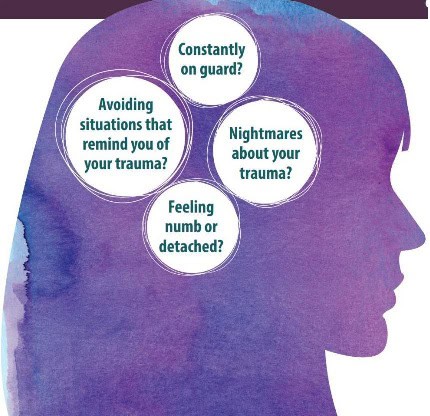
PTSD does not look the same for everyone. Some people experience vivid memories and nightmares, while others feel emotionally numb, detached, anxious, irritable, physically tense, or constantly on guard.

Start Here

What Is PTSD?

Post-traumatic stress disorder, often called PTSD, is a mental health condition that can develop after a person experiences, witnesses, or is exposed to a traumatic event. Trauma may involve actual or threatened death, serious injury, sexual violence, abuse, persecution, domestic violence, crime victimization, sudden loss, or other frightening and overwhelming experiences.

Symptoms may begin soon after the event, or they may become more noticeable later when the person is under stress or reminded of what happened. PTSD symptoms may also fluctuate based on sleep, perceived safety, family stress, legal stress, reminders, anniversaries, or ongoing uncertainty.

Clinically, PTSD symptoms are often understood in several broad areas: intrusive symptoms, avoidance, negative changes in mood and thinking, and changes in arousal or reactivity.

Intrusive Symptoms

Trauma Memories Can Interrupt the Present

Intrusive symptoms occur when the traumatic experience continues to interrupt the person’s present life. These symptoms can feel involuntary, unwanted, and difficult to control.

Unwanted Memories

The person may experience sudden memories, images, or thoughts connected to the traumatic experience.

Nightmares or Distressing Dreams

Trauma-related dreams may disrupt sleep and leave the person feeling anxious, exhausted, or unsafe.

Flashbacks or Re-Experiencing

Some people feel as if the trauma is happening again, even when they are physically in the present.

Physical Reactions to Reminders

Reminders may trigger racing heart, nausea, sweating, shaking, shortness of breath, or panic symptoms.

Emotional Distress

Discussing, remembering, or being reminded of the trauma may create fear, grief, anger, shame, or overwhelm.

Trigger-Related Flares

Symptoms may increase around legal paperwork, court dates, anniversaries, conflict, or trauma reminders.

Avoidance Symptoms

Avoidance Is Often the Nervous System Trying to Prevent Emotional Flooding

Avoidance is one of the most common trauma responses. A person may avoid talking about what happened, thinking about it, going near certain places, interacting with certain people, or engaging in activities that bring up reminders.

Avoidance can be misunderstood by others. Family members may think the person does not care, does not want help, or should be over it. In reality, avoidance is often the nervous system’s attempt to prevent emotional flooding.

Avoidance May Include:

  • Avoiding conversations about the trauma
  • Avoiding people, places, or situations connected to the event
  • Keeping busy to avoid painful memories
  • Minimizing what happened
  • Changing the subject when painful details come up
  • Difficulty completing paperwork or legal declarations because the details feel overwhelming

Mood, Beliefs, and Emotional Numbing

PTSD Can Affect the Way a Person Feels, Connects, and Trusts

PTSD can affect the way a person experiences emotions, relationships, self-worth, and the world around them. Some trauma survivors do not feel constantly upset; instead, they feel emotionally shut down.

Emotional Numbing

A person may feel detached, blank, distant, or unable to experience joy, love, safety, closeness, or hope.

Withdrawal From Relationships

PTSD may make it difficult to feel emotionally present with partners, children, family, or friends.

Negative Beliefs

Trauma may contribute to beliefs such as “I am not safe,” “I cannot trust others,” or “It was my fault.”

Persistent Guilt or Shame

Some trauma survivors experience guilt, shame, anger, sadness, or fear long after the original event.

Loss of Interest

Activities that once felt meaningful may feel flat, exhausting, unimportant, or emotionally unavailable.

“Just Surviving”

Some people describe going through life on autopilot rather than feeling fully present or emotionally connected.

Hypervigilance and Feeling Constantly on Guard

Hypervigilance means the body and mind remain alert for possible danger, even when the person is no longer in the original traumatic situation. This can create a constant sense of tension, scanning, suspicion, or readiness to react.

A trauma survivor may sit near exits, avoid crowds, become distressed by loud noises, or feel uncomfortable when someone stands too close.

Hypervigilance May Include:

  • Feeling tense, alert, or on edge
  • Being easily startled
  • Checking surroundings frequently
  • Difficulty relaxing or sleeping
  • Irritability or anger outbursts
  • Difficulty concentrating
  • Feeling unsafe even in familiar environments

Hypervigilance can affect relationships, parenting, work, driving, sleep, and daily decision-making. It is often the nervous system’s attempt to stay prepared after trauma or chronic fear.

Physical Symptoms of PTSD

PTSD Can Affect the Body, Not Just Emotions

Trauma can affect the body. When the nervous system remains activated, a person may experience physical symptoms that feel confusing or frightening.

Chest Tightness or Racing Heart

Trauma reminders, panic activation, or chronic stress may trigger strong cardiovascular sensations.

Muscle Tension and Headaches

The body may remain braced for danger, contributing to tightness, headaches, jaw tension, or body aches.

Stomach Discomfort

Stress activation may affect digestion, appetite, nausea, or overall physical comfort.

Sleep Problems and Fatigue

Nightmares, hypervigilance, restlessness, and stress activation may interfere with restorative sleep.

Shaking, Sweating, or Shortness of Breath

The body may react strongly to reminders through panic-like or fight-or-flight responses.

Feeling Disconnected

Some people feel disconnected from the body, emotions, surroundings, or present moment during trauma activation.

Physical symptoms should always be taken seriously. Medical evaluation may be appropriate when symptoms are new, severe, one-sided, sudden, or concerning. At the same time, many trauma survivors experience body-based stress responses connected to anxiety, panic, or trauma reminders.

Learning Center

Continue Learning About PTSD, Trauma, and Nervous System Responses

These related resources explain hypervigilance, emotional numbing, panic symptoms, body-based trauma responses, EMDR therapy, grounding skills, and immigration-related trauma.

Why Trauma Can Keep You Constantly on Guard

Understand why the nervous system may stay alert after trauma and how chronic fear can affect sleep, relationships, and daily functioning.

Why Trauma Can Make You Feel Emotionally Numb

Explore why some trauma survivors feel detached, shut down, distant, or unable to fully experience emotions.

Why Panic Symptoms Feel So Physical

Learn why panic can feel so intense and how nervous system activation may affect the body.

Trauma & Body-Based Symptoms

Review how trauma may show up through body tension, pain, panic sensations, fatigue, and sleep disruption.

Why Anxiety Feels Physical

Understand how anxiety can affect the body through muscle tension, breathing changes, stomach discomfort, and stress responses.

Trauma Processing & Memory Networks

Explore how trauma memories, emotions, body sensations, and stress responses can become linked together.

Calm Place & Grounding Techniques

Review grounding and stabilization skills that may help the nervous system feel steadier during anxiety, panic, or trauma activation.

What Is EMDR Therapy?

Learn how EMDR therapy may support trauma processing, emotional regulation, and nervous system stabilization.

Trauma in Immigration Cases

Learn how trauma histories, chronic fear, family separation, and immigration stress may affect emotional functioning.

2026 Immigration Psychological Evaluation Clinical Findings Report

Review clinical findings, trauma histories, diagnoses, symptom patterns, and functional impairments across immigration evaluations.

Key Takeaways

PTSD Can Affect the Whole Person

  • PTSD symptoms can include intrusive memories, avoidance, emotional numbing, hypervigilance, and physical stress responses.
  • Trauma symptoms may fluctuate and may become stronger around reminders, legal stress, or family separation.
  • Some trauma survivors minimize symptoms or appear emotionally calm because numbing and avoidance can be part of PTSD.
  • Trauma-informed immigration evaluations focus on clinical accuracy, emotional impact, and functional impairment without making legal conclusions.
  • Trauma-informed support may help improve emotional regulation, nervous system stability, and daily functioning.

Start Counseling

Questions About PTSD, Trauma, or Immigration Evaluations?

Motivations Counseling provides trauma-informed counseling, EMDR therapy, and immigration psychological evaluations for clients throughout Texas.

×