

Tag: Trauma Recovery

A woman wrapped in a blanket sits on a park bench, enclosed within a translucent, frosted glass cube that blurs her surroundings. The image serves as a visual metaphor for emotional numbing and the sense of being disconnected or shielded from the world following trauma.

Understanding Emotional Numbing After Trauma

Trauma & PTSD

Emotional Numbing After Trauma

Emotional numbing is a common trauma response that can make a person feel disconnected, shut down, distant, or unable to fully experience emotions. It is often connected to avoidance, emotional overload, and the nervous system’s attempt to cope with overwhelming experiences.

A person may appear calm or unaffected on the outside while internally feeling exhausted, disconnected, overwhelmed, or unable to access the emotions they would normally expect to feel.

Start Here

Emotional Numbing Is Often the Nervous System’s Attempt to Protect You

Emotional numbing is a trauma-related response where a person feels disconnected from their emotions, relationships, body, or surroundings. Instead of feeling intense sadness, fear, anger, or grief, the person may feel blank, flat, distant, or emotionally “turned off.”

For many trauma survivors, emotional numbing is not intentional. It is often the nervous system’s way of protecting the person from feelings that may feel too painful, unsafe, or overwhelming to process all at once.

Emotional numbing does not mean the person is cold, uncaring, or unaffected. It may mean the body and mind are trying to preserve functioning when emotional pain feels too much to hold.

Common Signs

Emotional Numbing Can Look Like Detachment, Autopilot, or Disconnection

Emotional numbing may show up quietly. Some people appear calm or functional while privately feeling distant from themselves, their relationships, or their emotions.

Feeling Flat or Detached

A person may feel emotionally blank, distant, disconnected, or unable to access emotions that once felt natural.

Difficulty Crying

Some trauma survivors cannot cry even when something is painful, sad, or deeply meaningful.

Feeling Distant From Loved Ones

Emotional numbing may make closeness, affection, comfort, or vulnerability feel hard to access.

Loss of Interest

Activities that once felt meaningful may feel flat, empty, unimportant, or emotionally unavailable.

Living on Autopilot

The person may keep working, parenting, attending appointments, or completing tasks while feeling disconnected.

Minimizing Pain

A person may say “I’m fine,” change the subject, avoid painful memories, or minimize what happened.

Emotional Shutdown

Why Trauma Can Cause Emotional Shutdown

When a person experiences trauma, the nervous system may respond with fight, flight, freeze, or shutdown. Emotional numbing is often connected to the freeze or shutdown response.

The person may become less emotionally responsive because the body is trying to reduce distress and preserve functioning.

Emotional Numbing Can Be Confusing Because:

  • The person may look calm while internally overwhelmed
  • They may care deeply but struggle to show it
  • They may minimize pain because feeling it fully feels unsafe
  • They may function well externally while feeling disconnected internally
  • They may feel shame for not reacting the way others expect

Avoidance and Emotional Distance

Emotional Numbing and Avoidance Often Work Together

A trauma survivor may avoid reminders of the event because reminders activate painful emotions. Over time, the person may begin avoiding not only the trauma memory, but also emotions, relationships, vulnerability, and situations that require emotional openness.

Avoiding Difficult Conversations

Painful topics, vulnerability, emotional discussions, or trauma reminders may feel too activating.

Staying Overly Busy

Work, responsibilities, distractions, sleep, or constant activity may be used to avoid feelings.

Withdrawing From Relationships

The person may isolate, avoid closeness, or pull away from people who care about them.

Avoidance may bring temporary relief, but it can also keep trauma symptoms active over time. The person may feel safer in the short term while becoming more disconnected in the long term.

How Emotional Numbing Can Affect Relationships

Emotional numbing can make relationships difficult. Loved ones may feel rejected, confused, or shut out. The trauma survivor may care deeply but struggle to express affection, receive support, or feel emotionally present.

This can create misunderstandings. A partner, child, parent, or friend may think the person no longer cares, when the person may actually be coping with emotional overload, shame, fear, or unresolved trauma.

Relationships May Be Affected Through:

  • Difficulty expressing affection
  • Feeling distant or emotionally unavailable
  • Reduced intimacy or vulnerability
  • Communication difficulties
  • Fear of depending on others
  • Difficulty receiving comfort or support
  • Parenting strain or reduced emotional presence

Learning Center

Continue Learning About Trauma, PTSD, and Emotional Shutdown

These related resources explain PTSD symptoms, hypervigilance, panic activation, trauma processing, body-based symptoms, grounding skills, and immigration-related trauma.

Key Takeaways

Emotional Numbing Is Not the Same as Not Caring

  • Emotional numbing is a common trauma response involving emotional shutdown, detachment, or disconnection.
  • It may be connected to avoidance, nervous system overload, freeze responses, and trauma-related coping mechanisms.
  • A person may appear calm or unaffected while still experiencing significant trauma symptoms internally.
  • Emotional numbing may be relevant in immigration psychological evaluations when assessing trauma, hardship, and functional impact.
  • Trauma-informed support can help individuals gradually reconnect with emotions, safety, relationships, and daily life.

Start Counseling

Questions About Trauma-Informed Counseling or Immigration Evaluations?

Motivations Counseling provides trauma-informed counseling, EMDR therapy, and immigration psychological evaluations for clients throughout Texas.

×
A woman stands on a dimly lit, crowded subway platform, looking over her shoulder with an expression of intense alertness and anxiety as a train approaches. The image captures the essence of hypervigilance and a heightened stress response in a public environment.

Why Trauma Can Keep You Constantly on Guard

Trauma & PTSD

Why Trauma Can Keep You Constantly on Guard

Hypervigilance is a trauma-related stress response where the mind and body remain alert for possible danger. A person may feel constantly on edge, easily startled, tense, restless, guarded, or unable to fully relax.

This response is not simply “overreacting.” Hypervigilance is often the nervous system’s attempt to stay prepared after trauma, chronic fear, abuse, victimization, unsafe environments, or prolonged uncertainty.

Start Here

Hypervigilance Means the Nervous System Is Scanning for Danger

Hypervigilance means being persistently alert, watchful, or on guard for possible threats. It is often connected to trauma, chronic stress, anxiety, PTSD, abuse, violence, persecution, crime victimization, unsafe environments, or prolonged uncertainty.

For many trauma survivors, hypervigilance is not a choice. It is the nervous system’s attempt to stay prepared after experiencing danger or repeated fear. Even when the person is no longer in immediate danger, the body may continue responding as if safety is uncertain.

Hypervigilance can affect sleep, concentration, relationships, emotional regulation, work, parenting, and daily functioning.

Common Signs

Hypervigilance Can Show Up in the Body, Thoughts, and Behavior

Hypervigilance may be obvious, or it may appear in subtle ways that others misunderstand as being controlling, distant, irritable, tense, or unable to relax.

Feeling Constantly on Edge

A person may feel watchful, tense, alert, restless, or unable to settle even in familiar environments.

Scanning for Danger

Hypervigilance may involve monitoring exits, people, sounds, facial expressions, body language, or possible conflict.

Being Easily Startled

Unexpected sounds, movement, touch, or changes in the environment may trigger a strong body reaction.

Sleep Disruption

The body may remain alert at night, making it hard to fall asleep, stay asleep, or wake feeling rested.

Difficulty Concentrating

The mind may stay busy monitoring for threats, making it hard to focus on work, conversations, or daily tasks.

Physical Tension

Hypervigilance may contribute to muscle tension, headaches, stomach discomfort, shallow breathing, or fatigue.

Nervous System Response

Chronic Fear Can Keep the Body in Survival Mode

When a person experiences trauma or prolonged fear, the nervous system may become conditioned to expect danger. The brain and body may remain in a heightened state of readiness, sometimes described as fight, flight, freeze, or fawn responses.

This state of readiness can help a person survive real danger. Over time, however, staying constantly alert can become exhausting and may interfere with emotional health, relationships, parenting, work, and sleep.

Chronic Fear May Contribute To:

  • Muscle tension or chronic tightness
  • Headaches or pressure sensations
  • Stomach discomfort or nausea
  • Rapid heartbeat or shallow breathing
  • Fatigue and emotional exhaustion
  • Sleep disruption
  • Irritability or emotional reactivity
  • Feeling unable to fully relax

Hypervigilance After Trauma

For Some People, Staying Alert Was Once a Survival Strategy

Hypervigilance is common after experiences involving threat, control, abuse, violence, or instability. A person who has learned that danger can happen suddenly may begin watching closely for warning signs.

Watching Tone and Facial Expressions

Trauma survivors may closely monitor tone of voice, body language, mood changes, or signs of anger or rejection.

Monitoring Exits and Surroundings

Sitting near exits, avoiding crowded spaces, or scanning unfamiliar environments may feel necessary for safety.

Preventing Conflict

Some people feel responsible for monitoring everyone’s mood or preventing conflict before it begins.

How Hypervigilance Can Affect Daily Life

Hypervigilance may appear in subtle ways. A person may avoid social events, feel anxious while driving, struggle in public places, become overwhelmed by noise, or have difficulty trusting others.

This can create emotional fatigue. The person may seem controlling, distant, irritable, or guarded, when internally they may be trying to feel safe.

Daily Functioning May Be Affected Through:

  • Sleep disruption and fatigue
  • Difficulty concentrating
  • Avoidance of crowds, travel, or unfamiliar places
  • Relationship strain or emotional guardedness
  • Parenting stress or overprotectiveness
  • Work distraction or reduced focus
  • Emotional exhaustion from constant monitoring

People experiencing hypervigilance may be told they are “overreacting,” “too sensitive,” “paranoid,” or “unable to let things go.” These labels can be harmful and inaccurate. Hypervigilance is often the nervous system trying to prevent future harm.

Learning Center

Continue Learning About Trauma, PTSD, and Nervous System Activation

These related resources explain PTSD symptoms, emotional numbing, panic activation, body-based trauma symptoms, grounding skills, EMDR therapy, and immigration-related trauma.

Understanding PTSD Symptoms

Learn how intrusive memories, avoidance, emotional numbing, hypervigilance, sleep disruption, and body-based stress responses may show up after trauma.

Why Trauma Can Make You Feel Emotionally Numb

Explore why some trauma survivors feel detached, shut down, distant, or unable to fully experience emotions.

Why Panic Symptoms Feel So Physical

Learn why panic can feel so intense and how nervous system activation may affect the body.

Why Anxiety Feels Physical

Understand how anxiety can affect the body through muscle tension, breathing changes, stomach discomfort, and stress responses.

Trauma & Body-Based Symptoms

Review how trauma may show up through body tension, pain, panic sensations, fatigue, and sleep disruption.

Trauma Processing & Memory Networks

Explore how trauma memories, emotions, body sensations, and stress responses can become linked together.

Calm Place & Grounding Techniques

Review grounding and stabilization skills that may help the nervous system feel steadier during anxiety, panic, or trauma activation.

What Is EMDR Therapy?

Learn how EMDR therapy may support trauma processing, emotional regulation, and nervous system stabilization.

Trauma in Immigration Cases

Learn how trauma histories, chronic fear, family separation, and immigration stress may affect emotional functioning.

2026 Immigration Psychological Evaluation Clinical Findings Report

Review clinical findings, trauma histories, diagnoses, symptom patterns, and functional impairments across immigration evaluations.

Key Takeaways

Hypervigilance Is the Nervous System Trying to Prevent Future Harm

  • Hypervigilance is a trauma-related response involving persistent alertness and difficulty feeling safe.
  • Chronic fear can affect the nervous system, sleep, concentration, relationships, and daily functioning.
  • Hypervigilance may be relevant in immigration evaluations when trauma, abuse, victimization, persecution, or legal uncertainty are part of the person’s experience.
  • Trauma-informed support can help reduce nervous system activation and improve emotional regulation.
  • Healing often involves helping the mind and body distinguish between present danger and trauma reminders.

Start Counseling

Questions About Trauma, Hypervigilance, or Immigration Evaluations?

Motivations Counseling provides trauma-informed counseling, EMDR therapy, and immigration psychological evaluations for clients throughout Texas.

×

PTSD Symptoms: How Trauma Affects the Mind and Body

Trauma & PTSD

Understanding PTSD Symptoms

PTSD symptoms can affect the mind, body, emotions, relationships, sleep, concentration, and daily functioning. Understanding common trauma responses can help individuals, families, attorneys, and support systems recognize when trauma may be affecting emotional health.

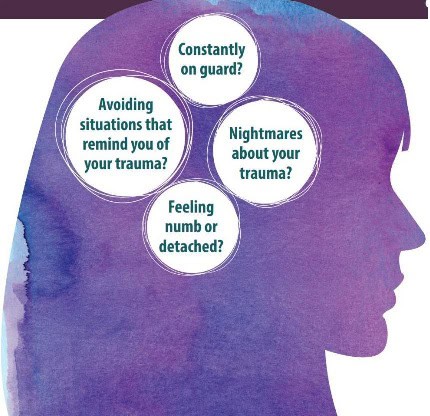
PTSD does not look the same for everyone. Some people experience vivid memories and nightmares, while others feel emotionally numb, detached, anxious, irritable, physically tense, or constantly on guard.

Start Here

What Is PTSD?

Post-traumatic stress disorder, often called PTSD, is a mental health condition that can develop after a person experiences, witnesses, or is exposed to a traumatic event. Trauma may involve actual or threatened death, serious injury, sexual violence, abuse, persecution, domestic violence, crime victimization, sudden loss, or other frightening and overwhelming experiences.

Symptoms may begin soon after the event, or they may become more noticeable later when the person is under stress or reminded of what happened. PTSD symptoms may also fluctuate based on sleep, perceived safety, family stress, legal stress, reminders, anniversaries, or ongoing uncertainty.

Clinically, PTSD symptoms are often understood in several broad areas: intrusive symptoms, avoidance, negative changes in mood and thinking, and changes in arousal or reactivity.

Intrusive Symptoms

Trauma Memories Can Interrupt the Present

Intrusive symptoms occur when the traumatic experience continues to interrupt the person’s present life. These symptoms can feel involuntary, unwanted, and difficult to control.

Unwanted Memories

The person may experience sudden memories, images, or thoughts connected to the traumatic experience.

Nightmares or Distressing Dreams

Trauma-related dreams may disrupt sleep and leave the person feeling anxious, exhausted, or unsafe.

Flashbacks or Re-Experiencing

Some people feel as if the trauma is happening again, even when they are physically in the present.

Physical Reactions to Reminders

Reminders may trigger racing heart, nausea, sweating, shaking, shortness of breath, or panic symptoms.

Emotional Distress

Discussing, remembering, or being reminded of the trauma may create fear, grief, anger, shame, or overwhelm.

Trigger-Related Flares

Symptoms may increase around legal paperwork, court dates, anniversaries, conflict, or trauma reminders.

Avoidance Symptoms

Avoidance Is Often the Nervous System Trying to Prevent Emotional Flooding

Avoidance is one of the most common trauma responses. A person may avoid talking about what happened, thinking about it, going near certain places, interacting with certain people, or engaging in activities that bring up reminders.

Avoidance can be misunderstood by others. Family members may think the person does not care, does not want help, or should be over it. In reality, avoidance is often the nervous system’s attempt to prevent emotional flooding.

Avoidance May Include:

  • Avoiding conversations about the trauma
  • Avoiding people, places, or situations connected to the event
  • Keeping busy to avoid painful memories
  • Minimizing what happened
  • Changing the subject when painful details come up
  • Difficulty completing paperwork or legal declarations because the details feel overwhelming

Mood, Beliefs, and Emotional Numbing

PTSD Can Affect the Way a Person Feels, Connects, and Trusts

PTSD can affect the way a person experiences emotions, relationships, self-worth, and the world around them. Some trauma survivors do not feel constantly upset; instead, they feel emotionally shut down.

Emotional Numbing

A person may feel detached, blank, distant, or unable to experience joy, love, safety, closeness, or hope.

Withdrawal From Relationships

PTSD may make it difficult to feel emotionally present with partners, children, family, or friends.

Negative Beliefs

Trauma may contribute to beliefs such as “I am not safe,” “I cannot trust others,” or “It was my fault.”

Persistent Guilt or Shame

Some trauma survivors experience guilt, shame, anger, sadness, or fear long after the original event.

Loss of Interest

Activities that once felt meaningful may feel flat, exhausting, unimportant, or emotionally unavailable.

“Just Surviving”

Some people describe going through life on autopilot rather than feeling fully present or emotionally connected.

Hypervigilance and Feeling Constantly on Guard

Hypervigilance means the body and mind remain alert for possible danger, even when the person is no longer in the original traumatic situation. This can create a constant sense of tension, scanning, suspicion, or readiness to react.

A trauma survivor may sit near exits, avoid crowds, become distressed by loud noises, or feel uncomfortable when someone stands too close.

Hypervigilance May Include:

  • Feeling tense, alert, or on edge
  • Being easily startled
  • Checking surroundings frequently
  • Difficulty relaxing or sleeping
  • Irritability or anger outbursts
  • Difficulty concentrating
  • Feeling unsafe even in familiar environments

Hypervigilance can affect relationships, parenting, work, driving, sleep, and daily decision-making. It is often the nervous system’s attempt to stay prepared after trauma or chronic fear.

Physical Symptoms of PTSD

PTSD Can Affect the Body, Not Just Emotions

Trauma can affect the body. When the nervous system remains activated, a person may experience physical symptoms that feel confusing or frightening.

Chest Tightness or Racing Heart

Trauma reminders, panic activation, or chronic stress may trigger strong cardiovascular sensations.

Muscle Tension and Headaches

The body may remain braced for danger, contributing to tightness, headaches, jaw tension, or body aches.

Stomach Discomfort

Stress activation may affect digestion, appetite, nausea, or overall physical comfort.

Sleep Problems and Fatigue

Nightmares, hypervigilance, restlessness, and stress activation may interfere with restorative sleep.

Shaking, Sweating, or Shortness of Breath

The body may react strongly to reminders through panic-like or fight-or-flight responses.

Feeling Disconnected

Some people feel disconnected from the body, emotions, surroundings, or present moment during trauma activation.

Physical symptoms should always be taken seriously. Medical evaluation may be appropriate when symptoms are new, severe, one-sided, sudden, or concerning. At the same time, many trauma survivors experience body-based stress responses connected to anxiety, panic, or trauma reminders.

Learning Center

Continue Learning About PTSD, Trauma, and Nervous System Responses

These related resources explain hypervigilance, emotional numbing, panic symptoms, body-based trauma responses, EMDR therapy, grounding skills, and immigration-related trauma.

Why Trauma Can Keep You Constantly on Guard

Understand why the nervous system may stay alert after trauma and how chronic fear can affect sleep, relationships, and daily functioning.

Why Trauma Can Make You Feel Emotionally Numb

Explore why some trauma survivors feel detached, shut down, distant, or unable to fully experience emotions.

Why Panic Symptoms Feel So Physical

Learn why panic can feel so intense and how nervous system activation may affect the body.

Trauma & Body-Based Symptoms

Review how trauma may show up through body tension, pain, panic sensations, fatigue, and sleep disruption.

Why Anxiety Feels Physical

Understand how anxiety can affect the body through muscle tension, breathing changes, stomach discomfort, and stress responses.

Trauma Processing & Memory Networks

Explore how trauma memories, emotions, body sensations, and stress responses can become linked together.

Calm Place & Grounding Techniques

Review grounding and stabilization skills that may help the nervous system feel steadier during anxiety, panic, or trauma activation.

What Is EMDR Therapy?

Learn how EMDR therapy may support trauma processing, emotional regulation, and nervous system stabilization.

Trauma in Immigration Cases

Learn how trauma histories, chronic fear, family separation, and immigration stress may affect emotional functioning.

2026 Immigration Psychological Evaluation Clinical Findings Report

Review clinical findings, trauma histories, diagnoses, symptom patterns, and functional impairments across immigration evaluations.

Key Takeaways

PTSD Can Affect the Whole Person

  • PTSD symptoms can include intrusive memories, avoidance, emotional numbing, hypervigilance, and physical stress responses.
  • Trauma symptoms may fluctuate and may become stronger around reminders, legal stress, or family separation.
  • Some trauma survivors minimize symptoms or appear emotionally calm because numbing and avoidance can be part of PTSD.
  • Trauma-informed immigration evaluations focus on clinical accuracy, emotional impact, and functional impairment without making legal conclusions.
  • Trauma-informed support may help improve emotional regulation, nervous system stability, and daily functioning.

Start Counseling

Questions About PTSD, Trauma, or Immigration Evaluations?

Motivations Counseling provides trauma-informed counseling, EMDR therapy, and immigration psychological evaluations for clients throughout Texas.

×